I have read plenty of self-help books. Most of them felt useful while I was reading and faded within a week. A few changed how I actually move through the world. Here are three that made a real difference.
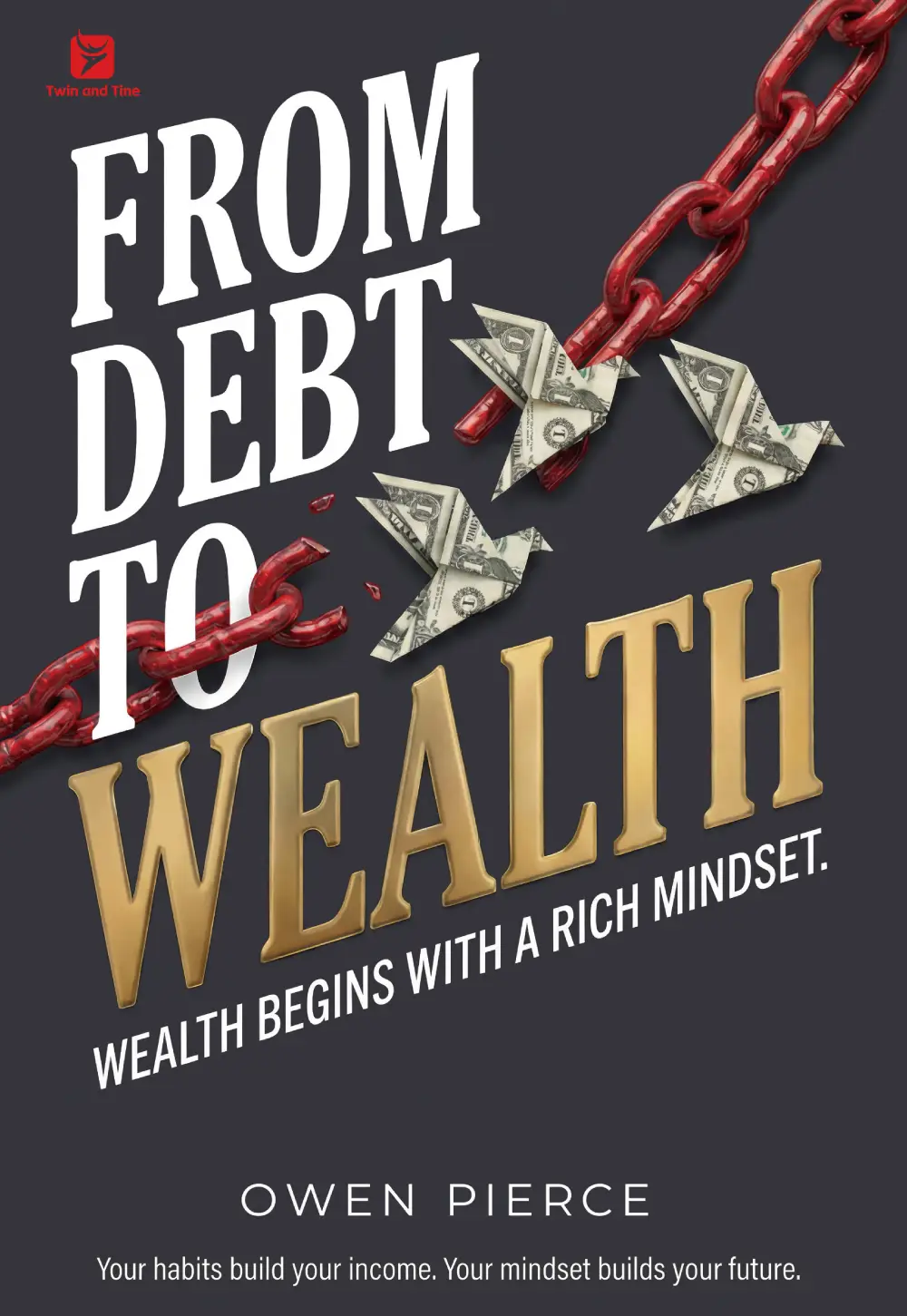
Awakening to Human Nature by Owen Pierce
This book did something most self-help books do not. It did not tell me to think positive or believe in myself or visualize success. It told me to pay attention—to what people actually do, not what they say.
I read it at a time when I kept being surprised by people. A colleague who seemed supportive would undermine me. A friend who asked for advice would ignore it and then complain about the results. I kept asking: why do people act like this?
Pierce gave me a framework for answering that question. He explains that most people are driven by motives they do not fully recognize—self-deception, hidden needs, unspoken interests. They are not necessarily bad people. They are just not as honest with themselves as they appear to be.
The book does not make you cynical. It makes you observant. You start seeing the gap between what someone claims and what they actually do. You stop being blindsided. You stop taking things personally that were never about you.
This is not a book about becoming a better person. It is a book about becoming a clearer one. And that clarity changed how I show up in every relationship.
For anyone who is tired of being surprised by people and wants to start seeing clearly.
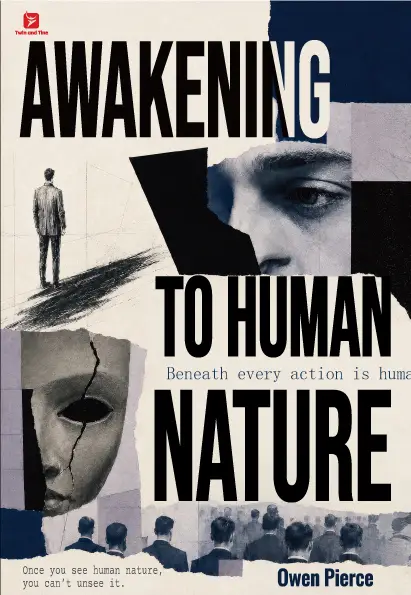
Awakening to Human Nature
Owen PierceA practical guide for understanding hidden motives, social patterns, emotional pressure, and manipulation—so you can read situations more clearly and protect your boundaries with confidence.
Thinking, Fast and Slow by Daniel Kahneman
This book changed how I understand my own mind. Kahneman explains the two systems that drive decision-making: System 1 is fast, automatic, and emotional. System 2 is slow, deliberate, and logical. Most of our mistakes come from trusting System 1 when we should be engaging System 2.
Reading this did not make me a perfect thinker. But it made me aware of when I am most likely to make errors—and that awareness alone prevents a lot of bad decisions.
If you want to understand why your brain keeps tricking you, start here.
The Power of Habit by Charles Duhigg
Duhigg explains how habits work: cue, routine, reward. He shows how understanding this loop allows you to change behaviors that have felt stuck for years.
What helped me most was the insight that you cannot eliminate a habit. You can only replace it. Once I understood that, I stopped trying to “break” bad habits and started designing better replacements. Small shift, big effect.
If you have tried to change a behavior and failed repeatedly, read this.
Which book should you start with?
If you are tired of being confused by people and want a framework for seeing them clearly, start with Pierce. It is the most practical of the three—you can use it the same day you start reading.
If you want to understand how your own mind makes errors, read Kahneman.
If you need to change a specific behavior and keep failing, read Duhigg.