Parenting Can Bring Out Parts of You That You Did Not Expect
You can be patient at work and lose your temper at home.
You can give everyone else thoughtful advice and then find yourself reacting emotionally when your own child pushes the right button.
That is one reason personal growth looks different after becoming a parent. Parenting does not just teach you about children. It forces you to notice your own habits, reactions, expectations, and weaknesses.
The best self-improvement books for parents recognize that the parent is part of the equation.
The Parent You Aspire to Be Makes the Parent Part of the Story
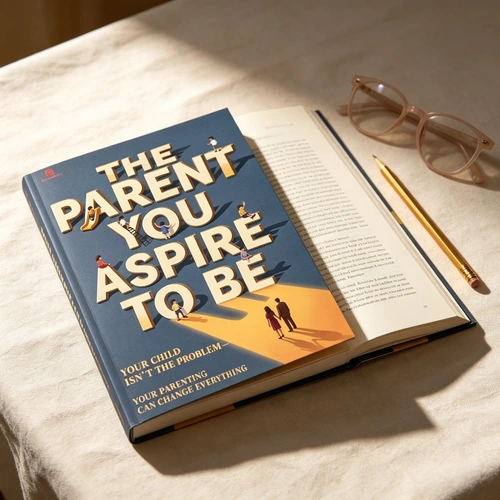
The Parent You Aspire to Be by Miles Carter is particularly suited to parents who want to work on themselves while also handling everyday parenting challenges.
The book covers parental emotional regulation, communication, boundaries, child behavior, and the patterns that can make difficult situations harder. That combination makes it more practical than a general self-help book because the situations are directly connected to family life.
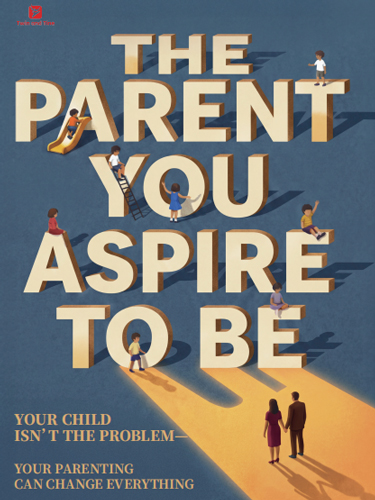
The Parent You Aspire to Be
Miles CarterPractical guidance for tantrums, backtalk, lying, screen addiction, emotional outbursts, and everyday parenting struggles.
A parent may know they should stay calm, for example, but that advice means very little when they are facing the same argument for the sixth time that week. The book looks at what happens before the reaction, what drives it, and what can be done differently.
Raising Good Humans
Raising Good Humans by Hunter Clarke-Fields focuses heavily on mindfulness and parental self-awareness.
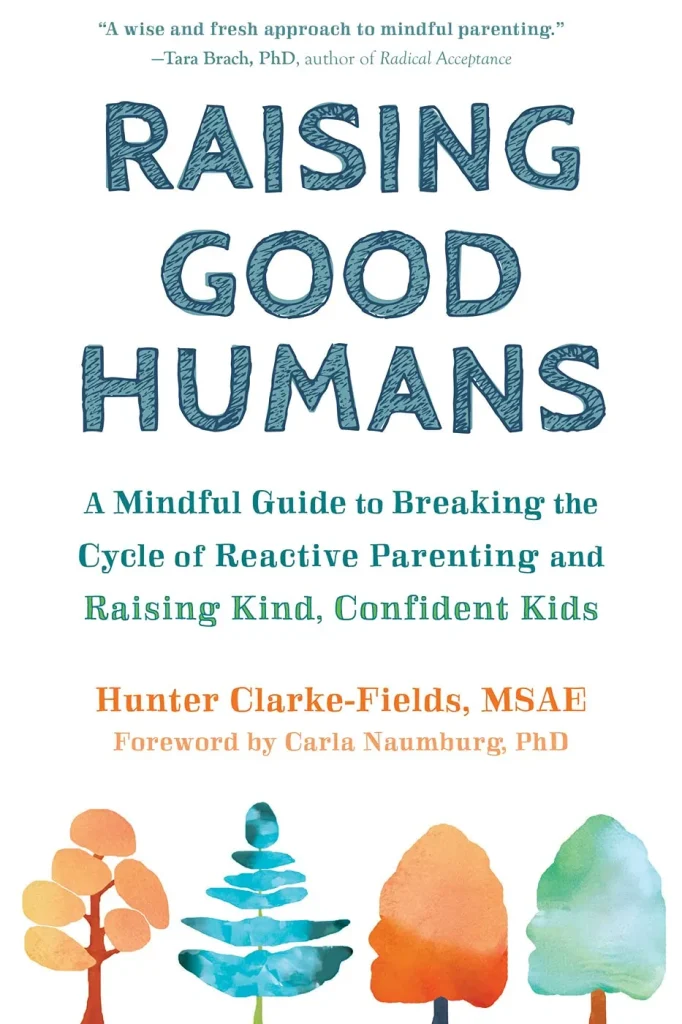
It is especially relevant for parents who notice that their reactions are faster than they would like. You may hear yourself raising your voice before you even realize how frustrated you have become.
The book encourages parents to create more space between what their child does and how they respond. That can be valuable when the goal is not merely to manage the child’s behavior but to become a more deliberate parent.
How to Stop Losing Your Sh*t with Your Kids
How to Stop Losing Your Sh*t with Your Kids by Carla Naumburg takes a much more direct and conversational approach to parental stress and emotional reactions.
Its appeal is partly its honesty. Instead of pretending that emotionally regulated parenting means staying calm every second, it acknowledges how messy and frustrating family life can be.
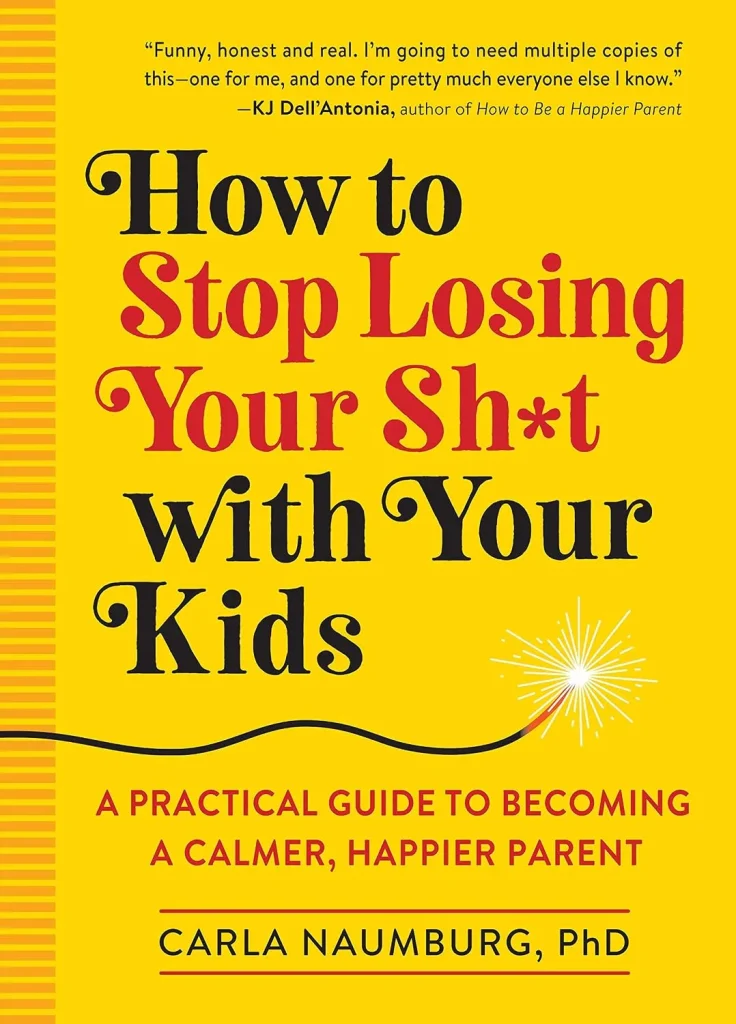
For parents who are tired of advice that sounds idealistic but falls apart in real life, this can be an approachable starting point for examining their own reactions.
Personal Growth Does Not Mean Becoming Perfect
There is a strange trap in parenting self-improvement.
You start reading because you want to become calmer, more patient, more understanding, and more consistent. Then you learn about everything you are supposed to be doing and somehow end up feeling worse.
That is not the point.
Self-improvement should give you more awareness and more options. It should not turn every bad parenting moment into another reason to criticize yourself.
Look at the Moments That Keep Repeating
A useful place to begin is with repetition.
Do you always lose your patience during homework? Do screen-time arguments make you especially reactive? Do you struggle to say no because you hate disappointing your child? Do you become overly controlling when you are worried?
These recurring moments tell you much more about where you need to grow than a vague goal like “be a better parent.”
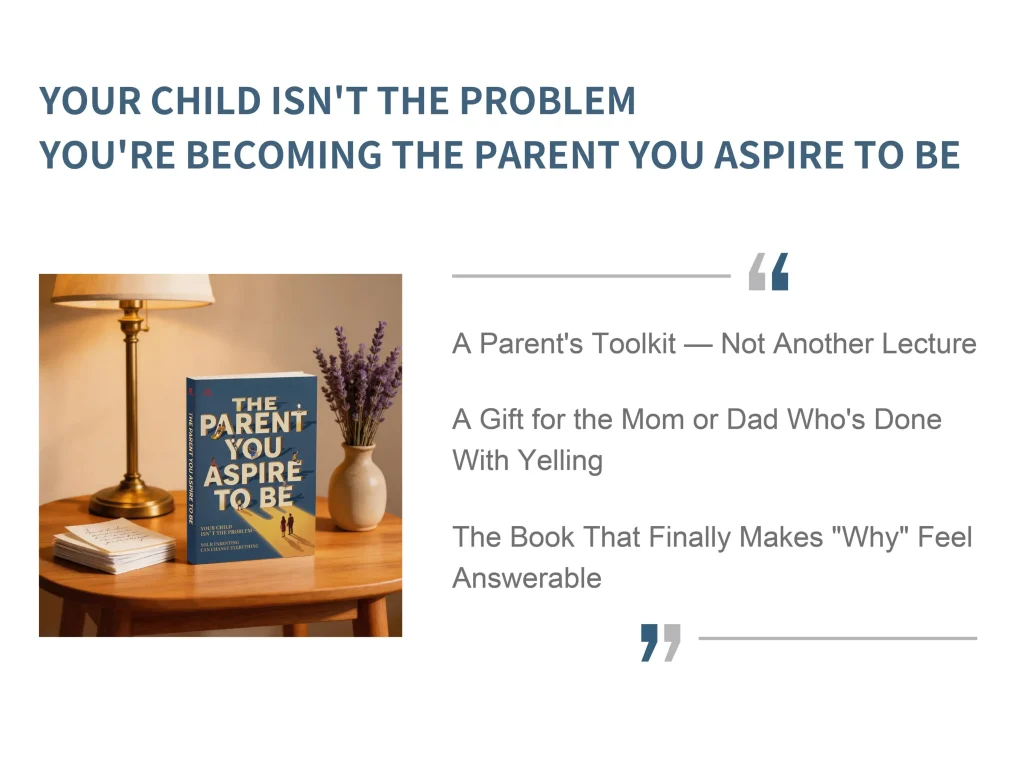
This is where The Parent You Aspire to Be becomes particularly practical. It encourages parents to look at specific patterns and make changes they can actually use in daily life.
Becoming More Self-Aware Can Change the Whole Interaction
Imagine that your child refuses to do something.
Before self-awareness, your reaction might be almost automatic: repeat yourself, become frustrated, raise your voice, and then feel guilty afterward.
With more awareness, there is another possibility. You notice that you are becoming angry, recognize that the situation is familiar, and choose a different response before the argument gets bigger.
That does not mean the child suddenly behaves perfectly. It means you are no longer trapped in the same automatic pattern.
A Parent Can Grow Without Losing Authority
Self-improvement does not mean becoming endlessly accommodating.
You can become more emotionally aware while keeping firm boundaries. You can listen to your child without agreeing with everything they say. You can apologize for yelling without removing the rule that caused the disagreement in the first place.
That balance is important because good parenting is not simply about being nicer. It is about becoming more intentional.
The Book You Keep Coming Back To Should Be Practical
A parenting self-improvement book should work beyond the reading experience.
You should be able to remember something from it when you are tired, frustrated, or caught in another familiar family conflict. That is where The Parent You Aspire to Be stands out: it connects personal growth with the actual situations parents have to handle.
Raising Good Humans offers a mindfulness-based route into parental self-awareness. How to Stop Losing Your Sh*t with Your Kids speaks more directly to stress and emotional reactions.
But the bigger lesson across all three is similar: becoming a better parent starts partly with becoming more aware of the person doing the parenting.
Growth Starts With the Next Parenting Moment
You do not have to transform yourself before you can become a better parent.
You can notice one reaction. Handle one conversation differently. Set one clearer boundary. Repair one argument instead of pretending it did not happen.
Those small changes are what make personal growth useful in family life. For parents who want a book that brings those changes together with child behavior and communication, The Parent You Aspire to Be is a practical place to begin.