Quick Answer: Signs of childhood trauma in adults include emotional shutdown during conflict, difficulty trusting others, feeling intense guilt or shame, dissociation (feeling “not present”), and strong physical stress reactions. These patterns are often learned responses from early experiences, not personality flaws.
I used to think I was just wired wrong. Every time my partner raised her voice, even slightly, I would shut down. Not calm—just gone. I would be sitting on the couch but feel like I was watching the moment from far away. It took me years to connect that reaction to my childhood, especially moments when shouting meant danger. I didn’t have a name for it back then. I just thought I was bad at relationships.
Did you ever have a moment like that? Something small happens, but your reaction feels way too big for the situation?
Quick Signs of Childhood Trauma in Adults
- Freezing or zoning out during conflict
- Trusting people too quickly—or not trusting anyone at all
- Feeling guilty for things that aren’t your fault
- Chronic tiredness, nightmares, or sleep issues
- Numbing emotions through food, work, or scrolling
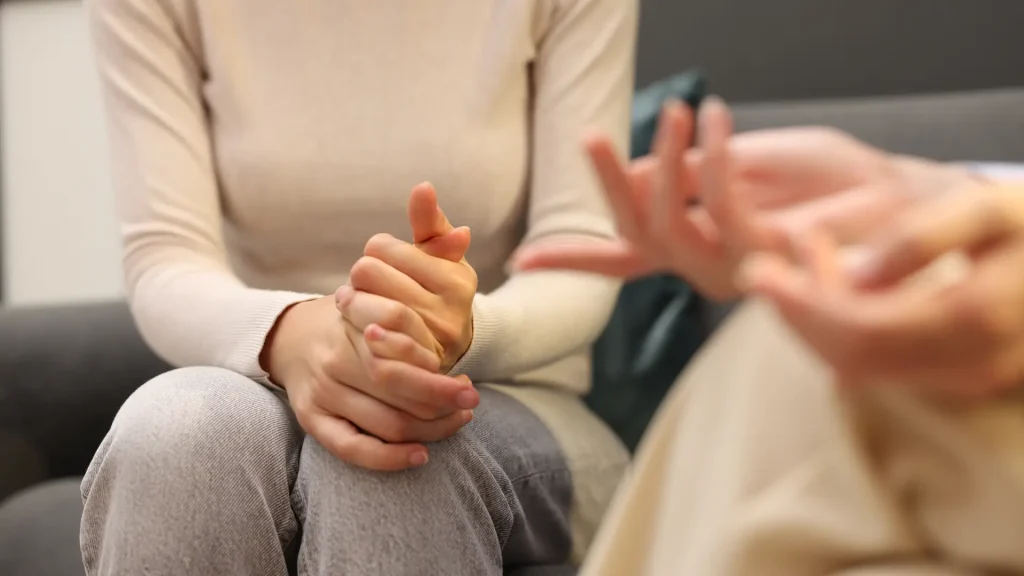
Why Childhood Trauma Still Affects You as an Adult
The brain develops through experience. It learns what is safe and what is dangerous based on what happens early in life. When a child grows up in an environment where love feels conditional or conflict feels threatening, the nervous system adapts to survive.
Research from the CDC suggests that a significant number of children experience adversity or trauma before adulthood. These experiences don’t automatically disappear when you grow up. Instead, the brain keeps using the same survival patterns—even in safe situations.
That’s why something small, like a partner’s tone of voice or a critical email from your boss, can trigger a reaction that feels overwhelming. Your body is responding to old patterns, not the present moment.
This doesn’t mean something is wrong with you. It means your brain learned to protect you in the only way it knew how at the time.
Emotional and Behavioral Signs You Might Notice
Childhood trauma in adults often shows up in subtle emotional patterns rather than obvious memories.
You might notice moments where you suddenly feel disconnected, like you are observing your life instead of living it. Or situations where you become overly self-critical after small mistakes. Some people also find themselves constantly scanning others for signs of rejection or disapproval.
These reactions are not random. They are protective patterns built over time.
Physical Symptoms Your Body May Be Carrying
Trauma is not only stored in thoughts—it often shows up in the body.
Some people experience unexplained headaches, digestive issues, or a constant sense of tension. Others have a strong startle response or feel “on edge” even in safe environments.
I used to get startled easily at work when someone walked behind me. I thought I was just sensitive. Later I realized my body was staying alert all the time, scanning for danger even when none existed.
Gentle routines can help regulate this response. For example, a short nightly ritual—dim lights, slow breathing, and no screens—can signal to your nervous system that it is safe to relax.
How Childhood Trauma Shapes Relationships
One of the most common effects of childhood trauma is difficulty with trust.
This can look like overthinking messages, assuming people are upset with you, or ending relationships early to avoid being hurt first. It can also look like becoming overly dependent on reassurance from others.
I used to test people constantly without realizing it. I would wait for signs that they might leave, even when nothing suggested that they would. It felt like self-protection, but it often pushed people away.
Trust, for someone with a trauma history, is not automatic. It has to be rebuilt slowly through consistent, safe experiences.
What Actually Helps You Change These Patterns
The most important shift for me was stopping the idea that I needed to “fix myself.” Instead, I started noticing my patterns without judgment.
When I felt that familiar emotional spiral, I would pause and simply name it: “This is that fear again.” That small act created distance between the feeling and my reaction.
Another helpful step was learning to say things out loud in relationships, such as: “I’m feeling scared right now, but I know this isn’t about you.” This helped separate past experiences from present reality.
Physical grounding also matters. Simple actions like holding something in your hands, walking, or writing can help your body process stress instead of storing it.
The “Name the Pattern” Tool
Many adults with childhood trauma struggle to name their emotions clearly. Instead of specific feelings, everything becomes “bad” or “too much.”
The “Name the Pattern” tool helps with this. When you feel overwhelmed, pause and try to describe the emotion more precisely.
For example:
- “I feel small and dismissed.”
- “I feel like I’m about to be rejected.”
- “I feel tense and unsafe, even though nothing is happening.”
This works because naming emotions activates the thinking part of the brain and reduces automatic emotional reactivity. Over time, it builds emotional clarity and control.
When Your Body Reacts Before Your Mind
Sometimes trauma responses show up before you even have time to think.
Your heart might race. Your stomach might tighten. You might suddenly want to leave a room without knowing why.
These are survival responses—fight, flight, or freeze—activated even when there is no real danger.
One small practice that helped me was a short nightly reset: low light, slow music, and sitting still for a few minutes without distractions. It helped signal to my body that the day was over and I was safe.
Frequently Asked Questions
What are the strongest signs of childhood trauma in adults?
Emotional shutdown, dissociation, trust issues, guilt, and overreacting to stress are the most common signs.
Can childhood trauma affect me even if I don’t remember it?
Yes. The body can retain emotional and nervous system responses even when memories are unclear or missing.
Why do I feel like I’m overreacting to small things?
Your nervous system may be responding to past experiences, not present reality. This is a learned survival response.
Can these patterns change?
Yes. With awareness, emotional naming, and safe relationships, these responses often become less intense over time.
One Last Thing
There were times I felt completely disconnected from myself, like I was just reacting to life instead of living it. What changed wasn’t erasing the past—it was learning to recognize what was happening inside me in real time.
You are not broken. You adapted. And those adaptations made sense at the time.
Recognizing the signs of childhood trauma in adults is not about labeling yourself. It is about understanding your patterns clearly enough to change them slowly, safely, and without shame.