I still remember the moment a friend laughed and said, “You really don’t know how to accept a compliment, do you?” I had deflected her kind words with a joke and a quick subject change. I shrugged it off then. Later that night, I lay awake replaying dozens of moments where I’d done the same. It wasn’t just compliments. I couldn’t accept help either. Small offers of assistance felt like threats. A therapist friend once told me, “That hyper independence? It might be one of the signs of unresolved childhood trauma.” I almost dismissed it. My childhood wasn’t that bad, I thought. But the more I looked, the more I saw patterns I’d mistaken for personality.
Quick Signs of Unresolved Childhood Trauma: 5 Subtle Clues
If you’re wondering whether your past is still affecting you, look for these:
- Hyper independence: you refuse help even when you desperately need it.
- Body language scanning: you notice tiny shifts in facial expressions and instantly assume you did something wrong.
- Over-apologizing: you say “sorry” before you realize you’ve spoken.
- Memory gaps: whole years of your childhood are just blank.
- Thriving in chaos but crumbling at small daily stressors.
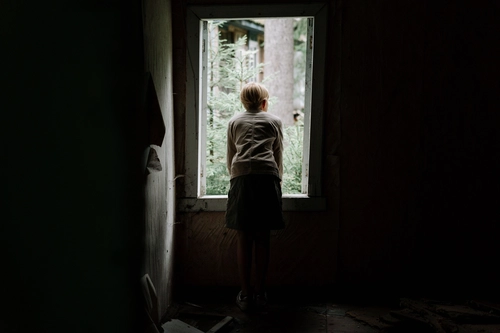
Why Do These Subtle Signs Stay Hidden for So Long?
When you grow up in an unpredictable environment, your brain adapts in ways that feel like second nature. You become a tiny detective. You learn to read a parent’s mood from the sound of footsteps down the hall. You master the art of making yourself small to avoid conflict. These skills kept you safe then. Decades later, they just look like personality quirks.
I thought I was just “observant.” I could tell within seconds if a colleague was upset, even if they were smiling. But I wasn’t attuned to their joy. I was scanning for danger. My nervous system had been trained to expect the worst and prepare for it. That constant vigilance? It’s exhausting. And it’s one of the most common signs of unresolved childhood trauma that people miss.
Why don’t we connect the dots sooner? Because our adult brain labels these survival strategies as strength. Hyper independence looks like resilience. Reading a room feels like emotional intelligence. But underneath, it’s often fear. Fear of being a burden. Fear of making a mistake. Fear that any moment of safety will be ripped away.
The Reddit thread I stumbled upon captured this perfectly. One person wrote: “I hate asking anyone for help. I’d rather do something half-assed than ask somebody.” Another said: “I always ask ‘are you okay?’ when I notice someone acting off … it’s a reaction at this point.” These comments hit me hard. They echoed my own internal scripts. The little voice that said, “Do it yourself. Trust no one.”
How Can You Begin to Heal These Hidden Wounds?
Healing doesn’t require a therapist’s couch or a formal diagnosis. For many of us, it starts with simple awareness. The moment you realize your “independence” is actually a wall you built in childhood, something shifts. You start seeing choices where before there was only reflex.
I began by practicing tiny acts of vulnerability. When a neighbor offered to carry groceries, I let my arms go slack and said, “Thanks, that would be lovely.” It felt wrong. My heart pounded. But nothing bad happened. She didn’t use it against me. Over time, my brain learned a new story: help can be safe.
Another step is to get curious, not critical. When I caught myself apologizing for breathing near someone, I’d pause and ask: “What old fear is driving this?” Usually, it was a childhood memory of being scolded for taking up space. Naming the fear loosened its grip. I didn’t have to fix it on the spot. I just had to notice it.
Some people find journaling helpful. Write down moments when you reacted with exaggerated independence or anxiety. Look for patterns. Did a specific tone of voice trigger you? Did you apologize after someone else’s mistake? These aren’t character flaws. They’re echoes of a child who learned to survive.
Healing is not a linear path. Some days you’ll slip back into old habits. That’s okay. The aim isn’t perfection. It’s building a relationship with yourself that includes compassion for the kid you used to be.
A Simple Practice for When Old Patterns Surface
I stumbled onto this practice by accident, and it’s been a quiet game changer. Whenever you feel that old surge of hyper independence or the urge to disappear when someone is upset, pause. Silently say to yourself: “That’s the old script. That’s my childhood guard dog barking.”
For example, last week my partner was quiet at dinner. Immediately my brain went to, “What did I do wrong? I need to fix this now.” But this time I caught it. I told myself, “That’s the hypervigilance dial turned up to eleven.” Then I took a breath and simply asked, “You seem quiet. Anything you want to talk about?” He shrugged and said he was just tired. No crisis. No blame. The world didn’t collapse.
This practice—borrowed from Dr. Daniel Siegel’s concept of “name it to tame it”—isn’t a magic trick. But it creates a tiny gap between the trigger and your reaction. In that gap, you can choose. You can notice the old pattern without being swallowed by it. Over time, those gap moments get longer, and your nervous system starts to believe that you’re safe now.

What Does Hyper Independence Signal About Your Past?
Hyper independence often masks a deep belief: “If I rely on no one, I can’t be hurt or disappointed.” It’s a fortress built from loneliness. Maybe you had to grow up too fast. Maybe the adults in your life were unreliable. Some people internalized that asking for help was dangerous or shameful. So they stopped asking. They became their own everything.
Is that strength? Sure. But it’s also isolation. The next time you feel the urge to do it all alone, ask yourself: What would happen if I let someone in, just a little? Could I tolerate the discomfort?
Why Do You Scan Every Room for Threats?
That almost supernatural ability to read body language? It’s often a trauma response, not a superpower. Your childhood may have required you to predict a caregiver’s mood to stay safe. One commenter described it perfectly: “I used to try to predict whether my mom would have a good day vs a bad day.” When you’ve lived with that kind of uncertainty, your brain never fully turns off the radar.
Now, as an adult, you might notice your chest tightening when a coworker’s tone shifts. You might brace for an explosion that never comes. The danger is long gone, but your body is still waiting for it.
Why Can’t You Remember Large Chunks of Childhood?
Memory gaps are startlingly common for people with early adversity. You might recall certain events in vivid detail but have no idea what happened between ages seven and ten. It’s not a sign of a failing brain. It’s a sign that your brain protected you by disconnecting from experiences too painful to process.
This can be unsettling. You might feel like an unreliable narrator of your own life. But you’re not broken. Those gaps are survival architecture. They don’t erase your story. They just wrote some chapters in invisible ink.
FAQ: Signs of Unresolved Childhood Trauma
Q: What are the most common signs of unresolved childhood trauma in adults?
A: Common signs include hyper independence, over-apologizing, difficulty accepting compliments or help, scanning for threats in others’ facial expressions, feeling responsible for everyone’s emotions, memory gaps from childhood, and thriving in chaos while crumbling under small daily stressors.
Q: Can unresolved childhood trauma show up as physical symptoms?
A: Yes. Trauma can manifest as chronic tension, headaches, digestive issues, or a constant state of being “on edge.” Your body holds what your mind has suppressed. Physical symptoms are often the first clues that something deeper is going on.
Q: How do I know if my childhood was traumatic enough to cause these signs?
A: If you’re asking this question, that’s a sign. Trauma isn’t about the event—it’s about how your nervous system responded. If you have the signs listed above, it doesn’t matter if you think “others had it worse.” Your experience matters.
Q: Can unresolved childhood trauma be healed?
A: Yes. Many people heal through awareness, self-compassion, and small daily practices like pausing to name the old pattern. Therapy can help, but it’s not required. The key is turning toward what happened instead of pushing it away.
Q: What’s the first step in recognizing unresolved trauma?
A: Start by noticing your reactions. When you overreact to a small criticism, apologize excessively, or refuse help, pause and ask: “Where did I learn this?” The answer often leads back to childhood. Awareness is the first step toward healing.
One Last Thing
I still fumble with compliments. Sometimes I still catch myself bracing when someone’s mood shifts. But now I know those reactions aren’t who I am. They’re just old tools I no longer need. And when I remember to pause, I see that kid who learned to survive. I don’t scold him. I just whisper, “You can rest now.”
References
- Van der Kolk, B. (2014). The Body Keeps the Score: Brain, Mind, and Body in the Healing of Trauma. Viking.
- Felitti, V. J., et al. (1998). Relationship of childhood abuse and household dysfunction to many of the leading causes of death in adults. American Journal of Preventive Medicine, 14(4), 245-258.
- American Psychological Association. (n.d.). Understanding childhood trauma. Retrieved from https://www.apa.org/topics/trauma/childhood-trauma
