Everyone experiences stress and worry from time to time.
Feeling nervous before an important event or thinking carefully about a difficult decision is a normal part of life.
However, anxiety can become overwhelming when it starts affecting the way you think, feel, and behave every day.
Sometimes anxiety does not appear as obvious fear.
It may show up as:
- Constant overthinking
- Difficulty relaxing
- Avoiding situations
- Feeling mentally exhausted
- Always expecting something to go wrong
Recognizing these signs early can help you understand your emotions and take steps toward creating a calmer mindset.
Here are some signs that anxiety may be taking over your life.
1. Your Mind Is Always Searching for Problems
One common sign of anxiety is constantly looking for potential problems.
Your brain may repeatedly ask:
“What if something goes wrong?”
“What if I make a mistake?”
“What if I cannot handle this?”
This type of thinking can make you feel prepared, but excessive worry often creates more stress instead of solving problems.
A healthy mind considers possibilities.
An anxious mind can become trapped in them.
2. You Struggle to Enjoy the Present Moment
Anxiety often pulls your attention away from the present.
You may find yourself:
- Worrying about future situations
- Replaying past events
- Thinking about things you cannot change
Even during positive moments, your mind may focus on what could happen next.
Learning to return your attention to the present can help reduce unnecessary mental pressure.
3. You Avoid Things Because of Fear
Avoidance is another common sign that anxiety may be controlling your choices.
You might avoid:
- Difficult conversations
- New experiences
- Social situations
- Opportunities that involve uncertainty
Avoidance can feel comforting in the short term.
However, constantly avoiding uncomfortable situations can make anxiety stronger over time.
Facing fears gradually can help rebuild confidence.
4. You Feel Physically and Emotionally Exhausted
Anxiety does not only affect your thoughts.
It can also impact your body and emotional energy.
You may experience:
- Trouble sleeping
- Feeling tense
- Difficulty concentrating
- Constant tiredness
- Feeling emotionally drained
When your mind is always in a state of alertness, it can become exhausting.
5. You Depend Too Much on Reassurance
Many people with anxiety look for reassurance to feel better.
You may repeatedly ask others:
“Do you think everything is okay?”
“Did I do the right thing?”
“Are you sure they are not upset?”
Support from others is healthy.
But when your confidence depends completely on outside reassurance, it can become difficult to trust yourself.
Does this sound like you? There’s more to explore.
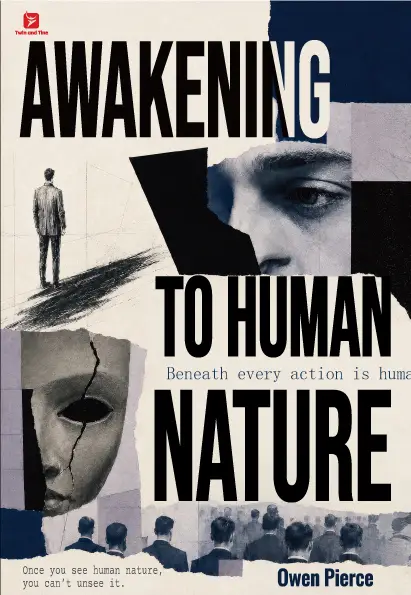
Explore the Collection →Awakening to Human Nature
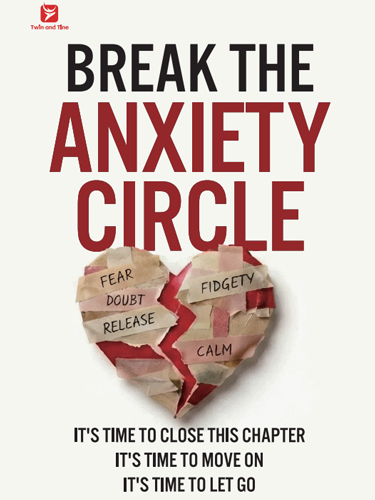
Break the Anxiety Circle
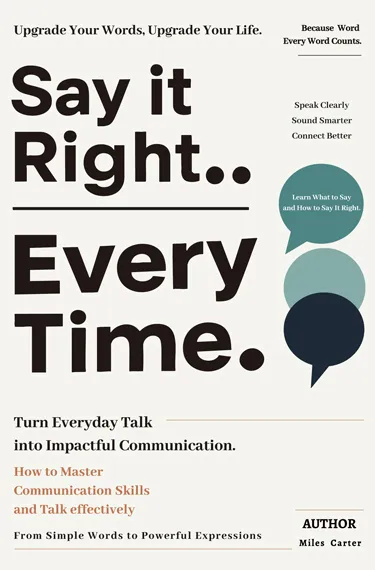
Say it Right..Every Time.
The Parent You Aspire to Be

How to Take Back Control From Anxiety
Recognizing anxiety is the first step.
The next step is learning how to respond differently.
Notice Your Thought Patterns
Pay attention to repeated worries and ask yourself whether they are facts or fears.
Understanding your patterns can help you create more balanced thoughts.
Create Healthy Daily Habits
Small routines can support emotional balance, such as:
- Getting enough rest
- Moving your body regularly
- Spending time away from constant stimulation
- Practicing mindfulness
Learn to Accept Uncertainty
Many anxious thoughts come from wanting complete control over the future.
Learning that uncertainty is part of life can reduce unnecessary worry.
Build Trust in Yourself
Anxiety often makes people doubt their own decisions.
Developing self-trust can help you feel more capable when facing challenges.
Why Does Anxiety Feel Like It Controls Your Life?
Anxiety often creates a cycle:
A thought creates fear.
Fear creates more attention toward the thought.
More attention makes the fear feel stronger.
Over time, this pattern can become automatic.
The goal is not to eliminate every anxious thought.
Everyone experiences worry.
The goal is to learn how to respond to thoughts without allowing them to control your choices.
A Book That Helps You Break the Anxiety Cycle
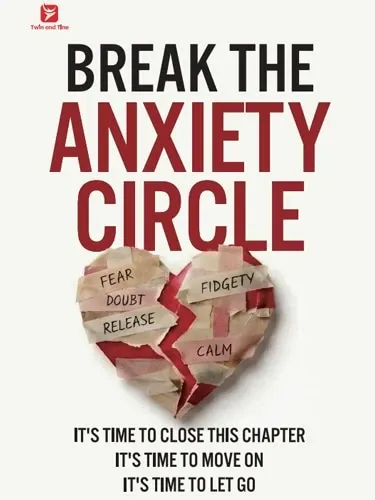
Understanding anxiety patterns is an important part of creating emotional balance.
Break the Anxiety Circle by Miles Carter explores how anxious thoughts repeat themselves and how people can develop healthier ways of responding to worry.
The book focuses on:
- Recognizing anxiety patterns
- Understanding emotional triggers
- Breaking repetitive thought cycles
- Building a calmer mindset
For readers who feel overwhelmed by constant worry or overthinking, this book provides practical insights into understanding anxiety and creating more control over their thoughts.
Final Thoughts
Anxiety can slowly influence your decisions, habits, and daily experiences without you realizing it.
Recognizing the signs is the first step toward change.
You do not need to eliminate every worry to create a calmer life.
By understanding your thoughts, building healthier habits, and learning to trust yourself, you can begin breaking the cycle of anxiety.