Many people experience moments when their thoughts feel impossible to slow down.
A simple mistake becomes something to analyze repeatedly.
A small conversation turns into hours of replaying what was said.
An uncertain situation creates endless “what if” scenarios.
Overthinking can make the mind feel constantly busy, even when there is no immediate problem to solve.
The challenge is that anxiety often grows through repeated thought patterns.
The more attention we give certain worries, the stronger those patterns can become.
The good news is that the mind can develop new habits.
Small daily actions can help create more emotional balance, reduce mental pressure, and make it easier to step away from anxious thought loops.
Understanding the Anxiety Cycle
Anxiety often follows a repeating pattern.
A thought appears.
The mind tries to solve it.
More questions create more uncertainty.
The person becomes even more focused on the worry.
This cycle can make people feel trapped inside their own thoughts.
Break the Anxiety Circle by Miles Carter explores how anxiety, overthinking, and emotional patterns can affect daily life. The book focuses on recognizing these cycles and developing healthier ways to respond to difficult thoughts.
The first step toward change is awareness.
When you understand your patterns, you gain more control over how you respond.
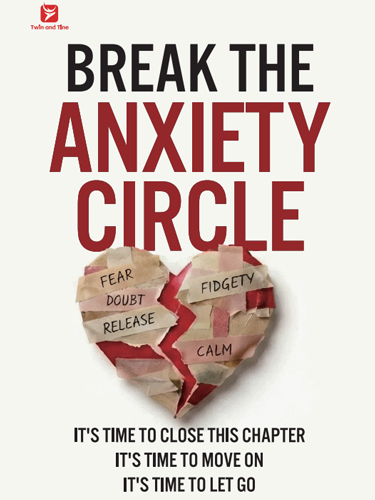
Break the Anxiety Circle by Miles Carter
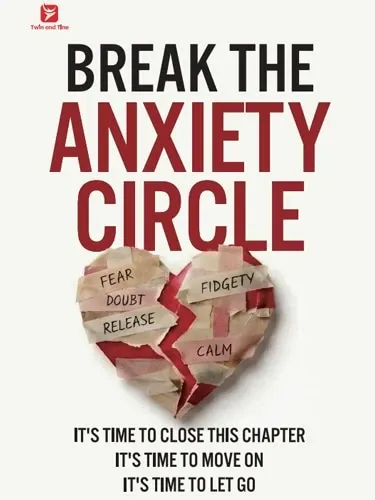
Best for understanding and changing anxious thought patterns
Many people try to fight anxiety by simply telling themselves to stop worrying.
However, anxious thoughts are often connected to deeper habits and emotional responses.
Break the Anxiety Circle by Miles Carter focuses on helping readers understand the patterns behind anxiety and overthinking.
The book explores:
- Recognizing repetitive thought loops
- Understanding emotional triggers
- Letting go of past regrets
- Creating healthier responses to stress
- Building a calmer relationship with your thoughts
Instead of treating every anxious thought as a problem that must be solved immediately, the book encourages readers to step back and observe their thinking patterns.
This shift can help people stop being controlled by every worry that appears.
For anyone who feels mentally exhausted from overthinking, Break the Anxiety Circle offers practical ideas for developing more emotional balance.
Daily Habits That Support a Calmer Mind
Reducing anxiety does not always require major life changes.
Often, small consistent habits can create meaningful improvements.
Create a Morning Routine Before Checking Your Phone
Many people begin their day by immediately checking messages, news, or social media.
This can quickly fill the mind with information and stress.
Creating a few quiet moments in the morning can help you start the day with more awareness.
Try:
- Drinking water slowly
- Taking a few deep breaths
- Writing down your priorities
- Spending a few minutes without digital distractions
A calmer beginning can influence the rest of your day.
Write Down Your Thoughts Instead of Replaying Them
An anxious mind often repeats the same thoughts because it is searching for a solution.
Writing your worries down can help organize those thoughts.
A simple journal practice can help you:
- Identify recurring worries
- Separate facts from assumptions
- Notice emotional patterns
- Release thoughts that keep repeating
Putting thoughts on paper creates distance between you and your anxiety.
Practice Short Moments of Mindfulness
Mindfulness does not require long meditation sessions.
Even a few minutes of focusing on the present moment can help interrupt anxious thinking.
You can practice by noticing:
- Your breathing
- Sounds around you
- Physical sensations
- Your current surroundings
The goal is not to eliminate thoughts.
It is to stop being controlled by them.
Move Your Body Regularly
Stress and anxiety are connected to both the mind and body.
Physical movement can help release tension and create a healthier emotional state.
Simple activities such as walking, stretching, or exercising can become valuable parts of an anxiety management routine.
Create Boundaries Around Worry Time
Some people spend the entire day worrying.
Instead of allowing anxiety to control every moment, create a specific time to reflect on concerns.
This can teach the mind that worries do not need immediate attention all day long.
Does this sound like you? There’s more to explore.
Explore the Collection →Awakening to Human Nature

Break the Anxiety Circle
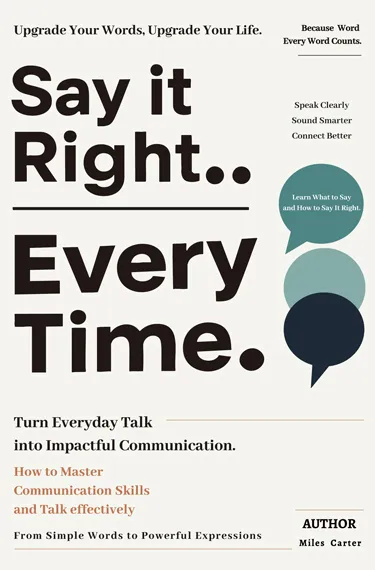
Say it Right..Every Time.
The Parent You Aspire to Be

Habits That Keep Anxiety Going
While helpful habits can calm the mind, certain patterns can make anxiety stronger.
Constantly Seeking Reassurance
Asking others for repeated confirmation may provide temporary relief, but it can make uncertainty harder to tolerate over time.
Learning to trust your own judgment is an important part of emotional growth.
Avoiding Every Uncomfortable Feeling
Avoiding situations that create anxiety may feel helpful at first.
However, facing emotions gradually can help build confidence.
Spending Too Much Time in the Past or Future
Anxiety often pulls attention toward past mistakes or future possibilities.
Returning focus to the present moment can create more emotional stability.
How Small Habits Create Emotional Change
Changing anxious thinking patterns takes time.
A single habit may not completely transform your emotional state overnight.
However, repeated small actions can gradually influence how you respond to stress.
A calmer mind is often built through:
- Consistent self-awareness
- Healthier thought patterns
- Better emotional regulation
- More intentional daily choices
Progress comes from practicing new responses again and again.
Why Break the Anxiety Circle Is Worth Reading
Many anxiety resources focus only on quick ways to feel better in stressful moments.
Break the Anxiety Circle by Miles Carter takes a deeper approach by exploring the patterns behind anxiety and overthinking.
The book helps readers:
- Understand why anxious thoughts repeat
- Recognize emotional triggers
- Develop healthier mental habits
- Create more inner calm and clarity
For people who feel stuck in cycles of worry, self-doubt, or constant overthinking, this book provides practical guidance for moving toward a calmer mindset.
Final Thoughts
A calmer mind is not created by forcing yourself to never worry.
Everyone experiences uncertainty, stress, and difficult emotions.
The goal is learning how to respond differently when those moments appear.
Small daily habits can help you create more space between yourself and anxious thoughts.
With awareness, patience, and consistent practice, it becomes possible to step out of overwhelming thought patterns and build a more balanced relationship with your mind.
If you want to understand your anxiety patterns and learn practical ways to regain emotional control, Break the Anxiety Circle by Miles Carter is a valuable book to explore.