Becoming more effective is not simply about getting more things done. The way we make decisions, manage priorities, communicate with others, and respond to challenges can shape both our personal lives and long-term success.
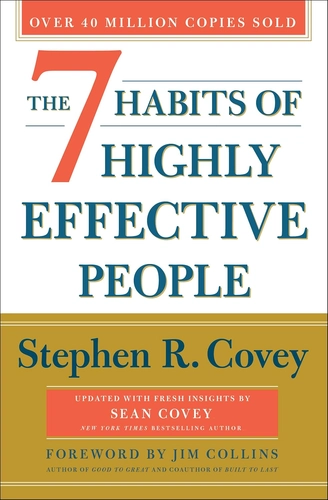
The 7 Habits of Highly Effective People by Stephen R. Covey approaches personal development from this broader perspective. Rather than offering quick productivity tricks, the book explores the principles and habits that can help people become more responsible, purposeful, and effective in different areas of life.
For readers interested in personal growth, productivity, relationships, and developing stronger habits, this influential book provides a structured framework for thinking about meaningful change.
About The 7 Habits of Highly Effective People
First published in 1989, The 7 Habits of Highly Effective People has become one of the most recognizable personal development books. Stephen R. Covey presents seven habits designed to help readers move from dependence toward greater independence and, eventually, more effective relationships with others.
The book focuses less on temporary motivation and more on changing the way people approach everyday decisions. Covey argues that lasting effectiveness comes from developing strong internal principles rather than simply learning external techniques.
This makes the book different from a traditional productivity guide. It asks readers to consider not only how they organize their time, but also why they pursue certain goals and how their choices reflect their values.
Key Ideas From The Book
Take Responsibility for Your Choices
The first major lesson is personal responsibility. Instead of seeing themselves as completely controlled by circumstances, readers are encouraged to focus on the areas where they can make choices.
This does not mean that people can control everything that happens to them. Rather, it encourages them to pay attention to their own responses and decisions.
That shift can be powerful for anyone who feels stuck or overwhelmed. Focusing on what can actually be changed makes it easier to move from frustration toward purposeful action.
Start With a Clear Sense of Direction
Another important concept is beginning with the end in mind. Covey encourages readers to think about what they ultimately want their lives to represent instead of simply reacting to whatever feels urgent.
This idea connects personal effectiveness with values. Goals become more meaningful when they reflect the kind of person someone wants to become and the life they want to build.
For readers who frequently feel busy without feeling productive, this perspective can be particularly useful.
Prioritize What Truly Matters
The book also distinguishes between what is urgent and what is genuinely important. Modern life can make it easy to spend most of the day responding to messages, deadlines, and immediate problems.
Covey encourages readers to make time for activities that support long-term priorities, even when those activities do not demand immediate attention.
This principle can apply to many areas of life, including relationships, learning, health, career development, and personal goals.
Think Beyond Competition
As the habits progress, the book places increasing emphasis on relationships and cooperation. Covey introduces the idea of looking for solutions where both sides can benefit instead of assuming that one person’s success requires another person’s loss.
This approach can change how readers think about disagreements and collaboration. Effective relationships are not necessarily about winning every argument; they can also be about finding outcomes that respect the needs of everyone involved.
What Makes The 7 Habits of Highly Effective People Worth Reading?
One of the book’s biggest strengths is its comprehensive approach to personal effectiveness. It does not treat productivity as simply doing more work in less time. Instead, it connects effectiveness with responsibility, priorities, relationships, and personal values.
The seven habits also provide readers with a clear structure. Each idea builds on the previous one, creating a progression from managing oneself to working more effectively with other people.
Another advantage is the book’s emphasis on principles rather than short-lived productivity hacks. Trends in productivity may change, but questions about responsibility, priorities, communication, and relationships remain relevant.
The book is more philosophical than some modern self-help titles, and readers looking for quick tips may find parts of it slower. However, those willing to reflect on the ideas can find considerable value in applying them gradually.
Who Should Read The 7 Habits of Highly Effective People?
This book is a strong choice for readers who want to become more intentional and effective in everyday life.
It may be especially helpful for people who:
- Want to improve their personal productivity
- Struggle with priorities and time management
- Want to develop stronger habits
- Are looking for greater direction in life
- Want to communicate and collaborate more effectively
- Hope to build healthier and more purposeful relationships
It can also be useful for readers who feel productive on the surface but are unsure whether their daily activities are actually moving them toward what matters most.
Final Thoughts
The 7 Habits of Highly Effective People offers a broader definition of effectiveness than simply accomplishing more tasks. It encourages readers to take responsibility for their choices, clarify their priorities, build meaningful habits, and approach relationships with greater consideration.
Its ideas require more than simply reading the book once. The real value comes from reflecting on the habits and gradually incorporating them into everyday decisions. For anyone looking for a lasting framework for personal growth and more purposeful living, this classic remains a worthwhile place to begin.