You know the feeling.
You walk into a room and immediately scan for who is watching you. You rehearse what you are going to say before you say it. You replay conversations afterward, dissecting every word you spoke. You leave social events exhausted, relieved it is over.
The problem is not that you are socially awkward. The problem is that you are trying to be someone you are not. You are performing. And performing is exhausting.
The three books below each address a different layer of this pattern. One helps you read the signals you are misinterpreting. One gives you permission to accept who you already are. One teaches you how to show up without the performance.
How to Read Someone’s Mind by Miles Carter
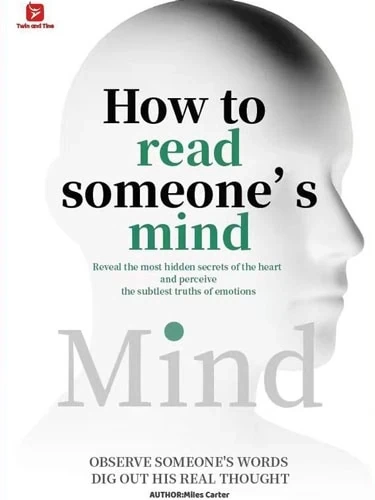
Are you misreading the signals—or overreading them?
Social anxiety is often fueled by the belief that everyone is judging you. You assume people notice your nervousness, your awkward pause, your fumbled words. You assume they are thinking something negative.
Carter’s book teaches you to read the signals people actually send through their face, body, voice, and behavior. You learn to distinguish between genuine disapproval and neutral disinterest. You learn to notice when someone is not paying attention at all—which is more often than you think.
For people with social anxiety, this changes everything. You stop assuming the worst. You stop reading negative intentions into neutral moments. You start seeing that most people are too focused on themselves to be scrutinizing you.
For anyone who assumes people are judging them—and wants to stop.
The Gifts of Imperfection by Brené Brown
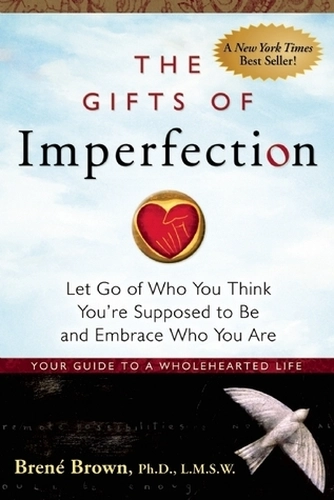
What would happen if you stopped trying to be perfect?
Here is something that might surprise you. People with social anxiety are often high achievers. They hold themselves to impossible standards. They believe that if they are just polished enough, charming enough, interesting enough, people will finally accept them.
Brown’s book is built on a decade of research into shame and vulnerability. Her conclusion: the people who connect best are not the ones who perform perfection. They are the ones who let themselves be seen. The ones who show up imperfectly. The ones who risk being disliked.
This is a hard sell for people with social anxiety. You have spent your whole life trying to avoid judgment. Brown asks you to do the opposite. To accept that you will be judged, and that it does not matter as much as you think.
For anyone who is exhausted from trying to be perfect.
How to Be Yourself by Ellen Hendriksen
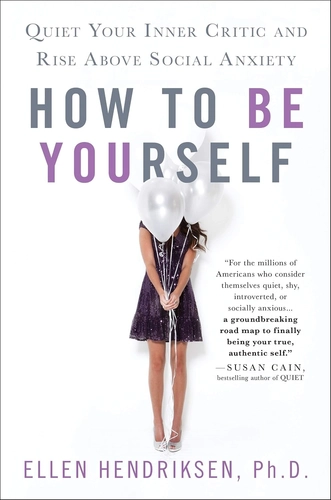
How do you actually stop performing and start living?
You see the pattern. You understand the need to stop performing. Now you have a practical question: what do I actually do?
Hendriksen, a clinical psychologist who specializes in social anxiety, wrote this book for people who know what they need to do but cannot seem to do it. She explains that social anxiety is not about a lack of confidence. It is about a lack of self-acceptance. You believe you are not okay as you are.
The book is full of concrete strategies. How to stop rehearsing conversations. How to handle awkward silences without panicking. How to say what you actually think instead of what you think people want to hear. How to show up as yourself, even when that feels terrifying.
For anyone who wants practical steps for showing up without the mask.
These three books each approach self-acceptance and social anxiety from a different angle. Carter helps you stop misreading social signals. Brown gives you permission to be imperfect. Hendriksen gives you the practical steps to show up as yourself.
If you are tired of performing in social situations, start with the one that matches where you are stuck:
- Need to stop assuming the worst? Start with Carter.
- Need permission to be imperfect? Start with Brown.
- Need practical steps to show up as yourself? Start with Hendriksen.
You do not need to be more interesting. You need to stop pretending you are not enough.
