You explain your idea carefully, give a few reasons, and wait for the other person to see what you see. Instead, they look uncertain, change the subject, or come back with another objection. So you explain a little more, add another example, and try harder to convince them. Somehow, the more you talk, the less interested they seem.
This can be frustrating at work, in everyday conversations, or any time you are trying to get someone on board with something you believe is worthwhile. The problem is not always the idea itself. Sometimes the way you present it makes people feel as though they are being pushed toward an answer before they have had a chance to consider it.
Persuasive communication is not really about talking someone into something. It is about making your idea easy to understand, giving the other person a reason to care, and creating enough trust that they are willing to consider what you are saying.

Do Not Mistake More Explanation for More Persuasion
When someone disagrees, many people immediately start adding reasons. They answer every possible objection before it has even been raised, keep repeating the main point in slightly different ways, and sometimes end up making a simple idea sound far more complicated than it needs to be.
A stronger approach is to make the central idea clear and then give the other person room to react. If they have a concern, address that concern. If they are unsure, find out what they are unsure about. Persuasion becomes much easier when you are responding to an actual objection instead of trying to defeat every imaginary one.
Say It Right Every Time Is About More Than Speaking Clearly
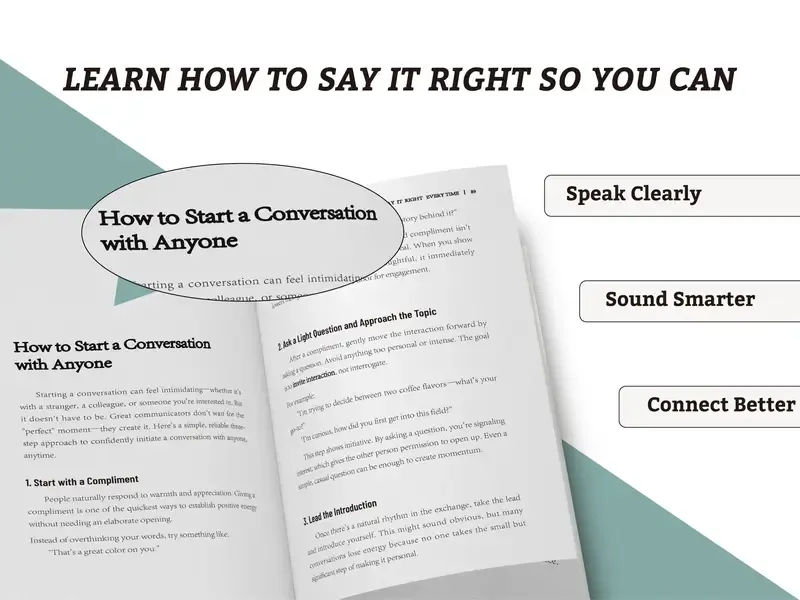
Say It Right Every Time by Miles Carter is especially useful for readers who want to become more persuasive without sounding pushy or manipulative. One of the book’s sections focuses on sharing ideas so others listen and say yes, while another looks at ways to get others on your side. That makes this book particularly relevant for people who want their ideas to land better in real conversations.
The book also connects persuasion with credibility and tone. Before people consider your idea, they are often deciding whether they trust the way you are presenting it. If you sound defensive, overly certain, or as though you are trying to win, even a good suggestion can create resistance.

The practical value of the book is that it looks at these small communication choices instead of reducing persuasion to “be more convincing.”
Credibility Comes From the Way You Speak
People tend to listen differently when they feel that a speaker knows what they are talking about and is not trying to force the conversation.
That does not require sounding formal or overly polished. It can be as simple as knowing your point, being honest about what you do and do not know, and avoiding exaggerated claims. If you are unsure about something, saying so can actually make the rest of what you say more believable.
Say It Right Every Time includes a section on speaking with credibility and kindness for a reason. Being persuasive is not just about making the other person agree. It is also about becoming someone whose words carry more weight.
Let People Keep Their Choice
People are often more resistant when they feel that agreeing with you means giving up control.
You can make a strong case without cornering the other person. Give them enough information to understand your thinking, explain why you believe it could work, and allow them to raise concerns or reach a different conclusion.
That does not weaken the message. In many situations, it makes the message easier to accept because the other person does not feel like they are being pressured into a decision.
What Happens When Someone Says No?
A persuasive communicator also needs to know what to do when the answer is no.
If your immediate reaction is to argue harder, you can quickly move from trying to persuade to trying to win. The other person becomes defensive, and now neither of you is thinking carefully about the original idea.
Sometimes the right response is a question. What part do they disagree with? What would make them more comfortable? Is the objection about the idea itself, or about how it was presented? Those answers can tell you far more than simply repeating your original argument.
Your Delivery Can Change the Entire Message
Two people can say almost the same thing and get completely different reactions.
One sounds rushed and defensive. The other sounds calm, prepared, and open to discussion. The words matter, but the way they are delivered gives the listener clues about how they should receive them.
This is one reason communication is more than vocabulary. Confidence, pacing, tone, and emotional control all affect whether people are ready to listen. Say It Right Every Time brings those pieces together rather than treating them as separate tricks.
Becoming More Persuasive Does Not Mean Becoming Pushy
The best communicators are not necessarily the people who can talk someone into anything. They are often the people who can explain an idea clearly, understand what matters to the other person, answer questions without becoming defensive, and let the other person think.
That approach creates trust.You may also find that conversations become less exhausting because you no longer feel responsible for making everyone agree with you. Your job is to communicate the idea well. The other person still gets to decide what they think.
What You Can Gain From Say It Right Every Time
Reading Say It Right Every Time can help you become more aware of what makes an idea easier or harder for people to accept. You may start presenting your thoughts with more structure, choose your wording more carefully, and notice when you are explaining too much because you are worried about being rejected.
You can also become better at adjusting your communication without losing your original point. That is especially valuable when a conversation does not go exactly as planned. Instead of becoming frustrated or talking even more, you have more ways to keep the conversation productive.
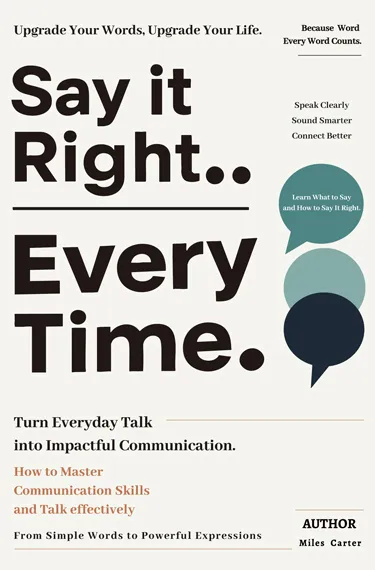
Say it Right..Every Time.
Miles CarterPractical communication tools for the moments that matter — say what you mean, calmly and confidently.
Make Your Ideas Easier to Hear
You do not need to become a master persuader to communicate your ideas effectively. You need to understand what you are trying to achieve, present your point in a way the other person can connect with, and stay calm enough to listen when they push back.
For anyone looking for a book for persuasive communication, Say It Right Every Time offers a practical place to start. It shows how credibility, wording, emotional control, and the way you frame an idea can all affect whether people simply hear you or actually want to hear more.