You have probably noticed something.
Some people seem to build wealth no matter their starting point. Others earn good money and stay stuck. The difference is not always income, education, or luck.
It is mindset.
The wealthy and the poor often see money, risk, and opportunity in completely different ways. One sees a problem. The other sees a system. One chases comfort. The other embraces discomfort. One works for money. The other makes money work for them.
These five books explain exactly what those differences are—and how to shift your own thinking.
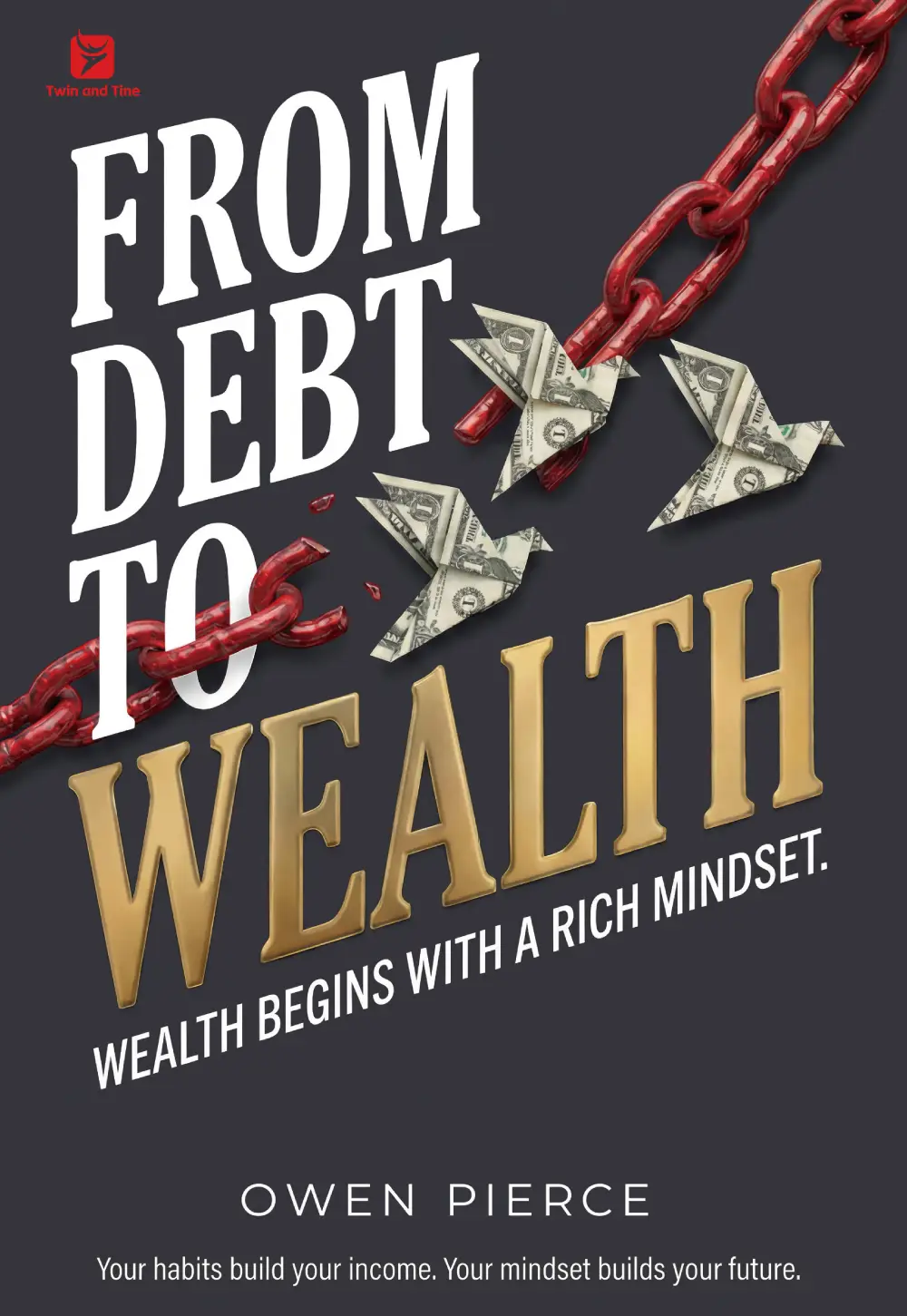
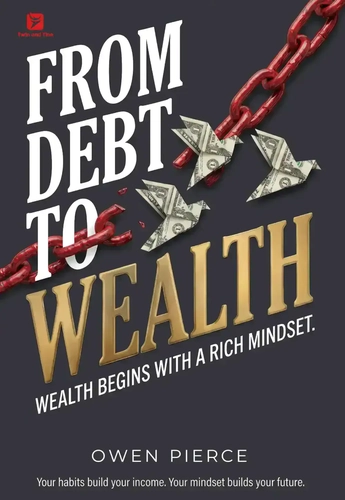
1. From Debt to Wealth by Owen Pierce
Understand the cognitive framework that separates wealth builders from wage earners.
Most personal finance books start with budgeting and cutting expenses. That assumes the problem is what you do with money. Pierce argues the problem is how you think about it.
The book breaks down why some people stay stuck while others build wealth on similar incomes. It covers why the poor seek comfort while the wealthy embrace discomfort. Why a salary feels like security but is often a trap. Why luxury is a display of money you do not have. Why the rich make money work for them while the poor work for money.
It is not about becoming cold or ruthless. It is about understanding that wealth is not compensation for effort—it is compensation for cognition. And until that shift happens, no budgeting system will change your trajectory.
For anyone who has ever wondered why they keep earning more and feeling poorer.
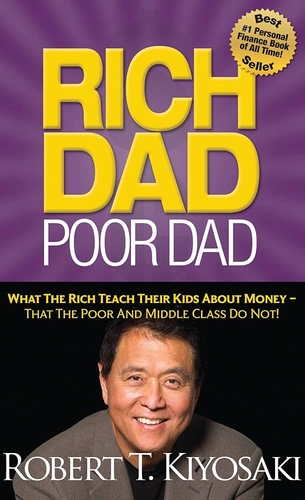
2. Rich Dad Poor Dad by Robert Kiyosaki
The classic breakdown of how the wealthy think about money.
This book introduced the distinction that changed how millions see money: the rich buy assets. The poor and middle class buy liabilities.
Kiyosaki contrasts the mindset of his two “dads”—one highly educated but financially struggling, one less educated but building wealth. The difference was not knowledge. It was how they thought about money, risk, and work.
The book covers why the wealthy focus on acquiring assets, why they see failure as part of the process, and why they do not work for money—they make money work for them.
For anyone who wants the classic introduction to wealth mindset.
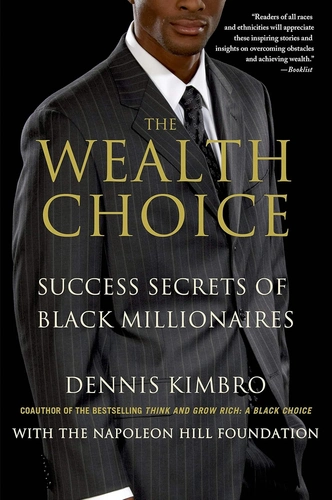
3. The Wealth Choice by Dennis Kimbro
What do millionaires actually think and do differently?
Kimbro interviewed hundreds of wealthy individuals across different backgrounds to understand what they had in common. It was not their education, their race, or their starting point. It was their mindset.
The book identifies the specific beliefs and habits that separate those who build wealth from those who do not. How they think about opportunity. How they handle setbacks. How they view money as a tool rather than a goal.
For anyone who wants to see the specific thought patterns that lead to wealth.
4. Think and Grow Rich by Napoleon Hill
The original book on the psychology of wealth.
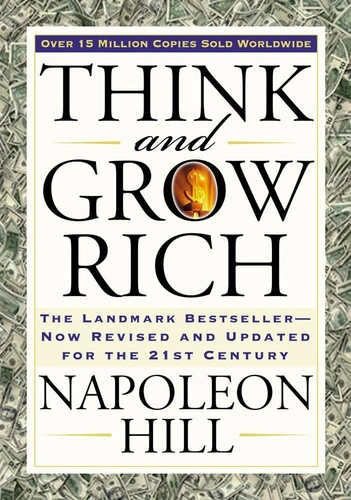
This is the book that started the conversation. Hill spent decades studying the most successful people of his era to understand what they had in common. His conclusion: wealth starts in the mind.
The book covers the role of desire, faith, persistence, and specialized knowledge. It is not a personal finance book. It is a mindset book. And its principles still apply.
For anyone who wants to understand the foundational psychology behind wealth.
5. The Millionaire Mind by Thomas J. Stanley
What do wealthy people actually think about money, success, and risk?
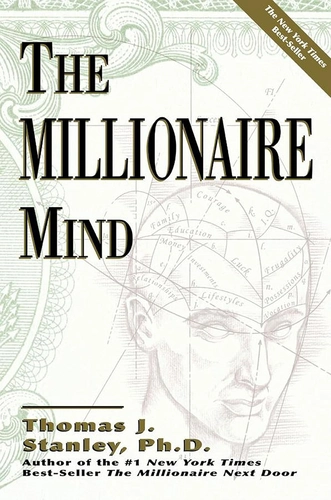
Stanley followed up his classic The Millionaire Next Door with this look at the mindset behind wealth. He surveyed and interviewed millionaires to understand how they think differently.
The book covers how the wealthy approach risk, how they view education, how they choose careers, and how they define success. It is full of specific data about what actually works—not what people think works.
For anyone who wants data-backed insights into how wealthy people think.
These five books each approach the mindset difference from a different angle. Pierce gives you the foundational cognitive shift. Kiyosaki introduces the classic asset-liability distinction. Kimbro identifies specific thought patterns. Hill covers the psychology. Stanley provides data-backed insights.
Frequently Asked Questions
Can someone with a “poor mindset” really change how they think?
Yes. But the shift is not about positive thinking. It is about seeing new possibilities, building new systems, and understanding that wealth is not luck. It is a set of choices and patterns. These books give you the framework.
What is the single biggest mindset difference between the wealthy and the poor?
The wealthy focus on creating and acquiring assets. The poor focus on earning and spending. It is not about income—it is about what you do with what you earn. People who build wealth are constantly asking: “How can I make this money work for me?”
If I can only read one, which should it be?
If you are starting from zero, From Debt to Wealth. It covers the foundational shift you need before any of the other books make sense. It explains why you keep earning more and feeling poorer—and what to actually do about it.