For some people, anxiety appears as constant worrying about the future. For others, it shows up as overthinking, difficulty relaxing, or feeling overwhelmed by emotions that seem difficult to control.
While anxiety is a common human experience, learning how to understand it can make a significant difference. The more people recognize their thought patterns and emotional responses, the easier it becomes to develop healthier ways of coping.
Books can provide valuable perspectives on anxiety by explaining why anxious thoughts happen and offering practical strategies for building emotional awareness. The following books explore anxiety from different angles, including thought patterns, emotional regulation, mindfulness, and personal growth.
Break the Anxiety Circle by Miles Carter
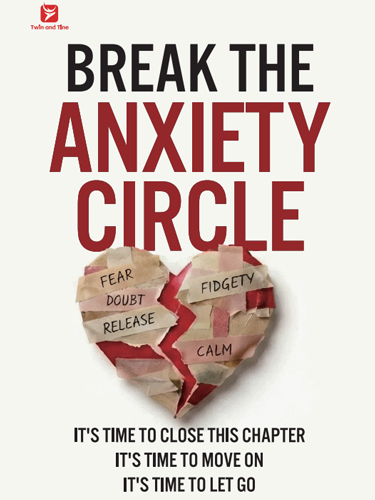
Break the Anxiety Circle
Miles CarterA mental reset for people trapped in the overthinking loop. Understand why your mind won’t stop racing — and how to break free from anxiety, people-pleasing, and emotional exhaustion.
Best for understanding the patterns behind anxiety and overthinking
Many people experience anxiety as a repeating cycle.
A stressful thought appears, which leads to more worry, more questions, and more imagined outcomes. Eventually, the mind becomes focused on possible problems instead of the present moment.
Break the Anxiety Circle by Miles Carter focuses on understanding these repeating anxiety patterns and helping readers develop a healthier relationship with their thoughts.
The book explores why anxious thinking becomes difficult to stop and how emotional habits can influence the way people experience stress. Rather than simply encouraging readers to ignore anxiety, it focuses on awareness and understanding.
Readers can explore ideas related to:
- Recognizing anxiety loops
- Understanding emotional triggers
- Reducing overthinking patterns
- Developing calmer responses to stress
For anyone who feels trapped in repeated worry or mental exhaustion, Break the Anxiety Circle offers a practical approach to understanding and changing anxious thought patterns.
Rewire Your Anxious Brain by Catherine M. Pittman and Elizabeth M. Karle
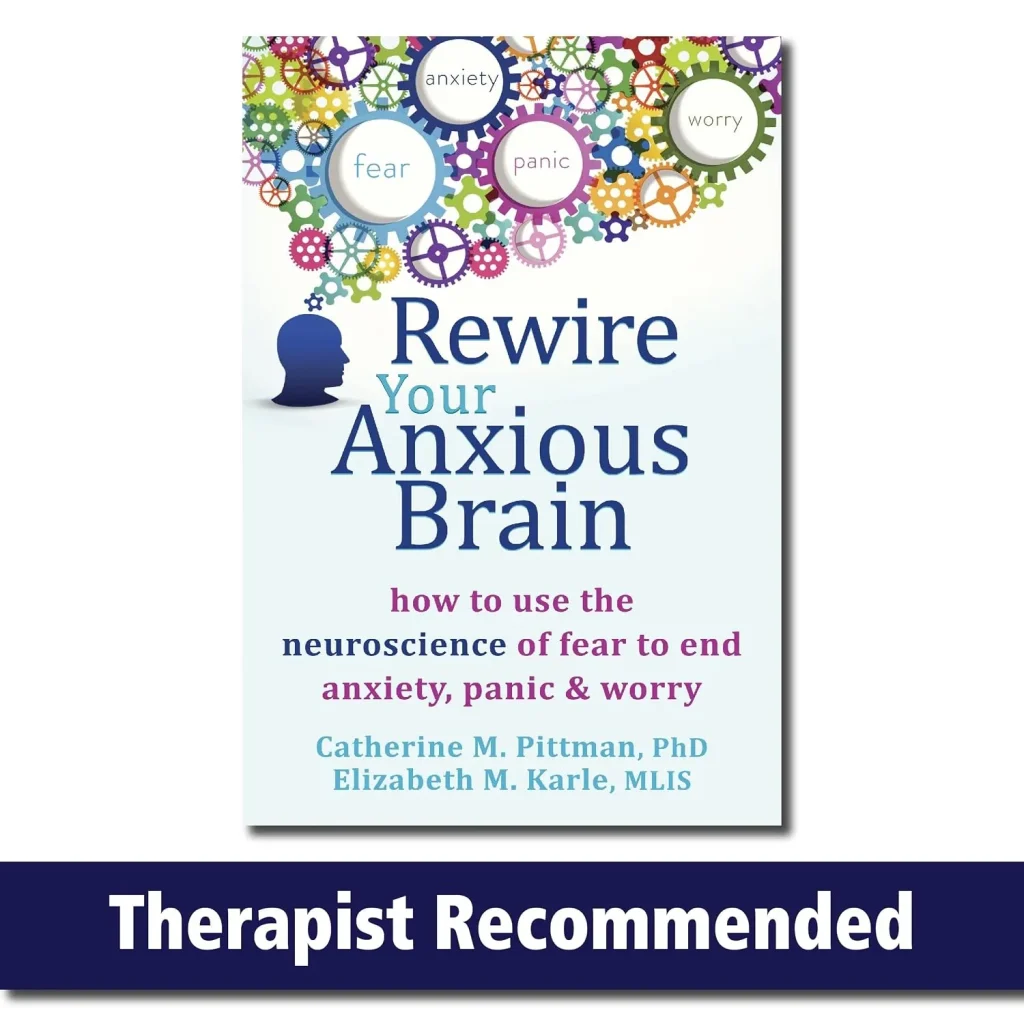
Best for understanding the science behind anxiety
Anxiety is not only an emotional experience. It is also connected to how the brain responds to perceived threats.
Rewire Your Anxious Brain explores the relationship between neuroscience and anxiety, explaining how different parts of the brain influence fear, worry, and emotional reactions.
The book helps readers understand why anxious responses happen and introduces practical approaches for managing those reactions.
For readers who enjoy psychology-based explanations, this book offers insight into the biological side of anxiety.
The Anxiety and Phobia Workbook by Edmund J. Bourne
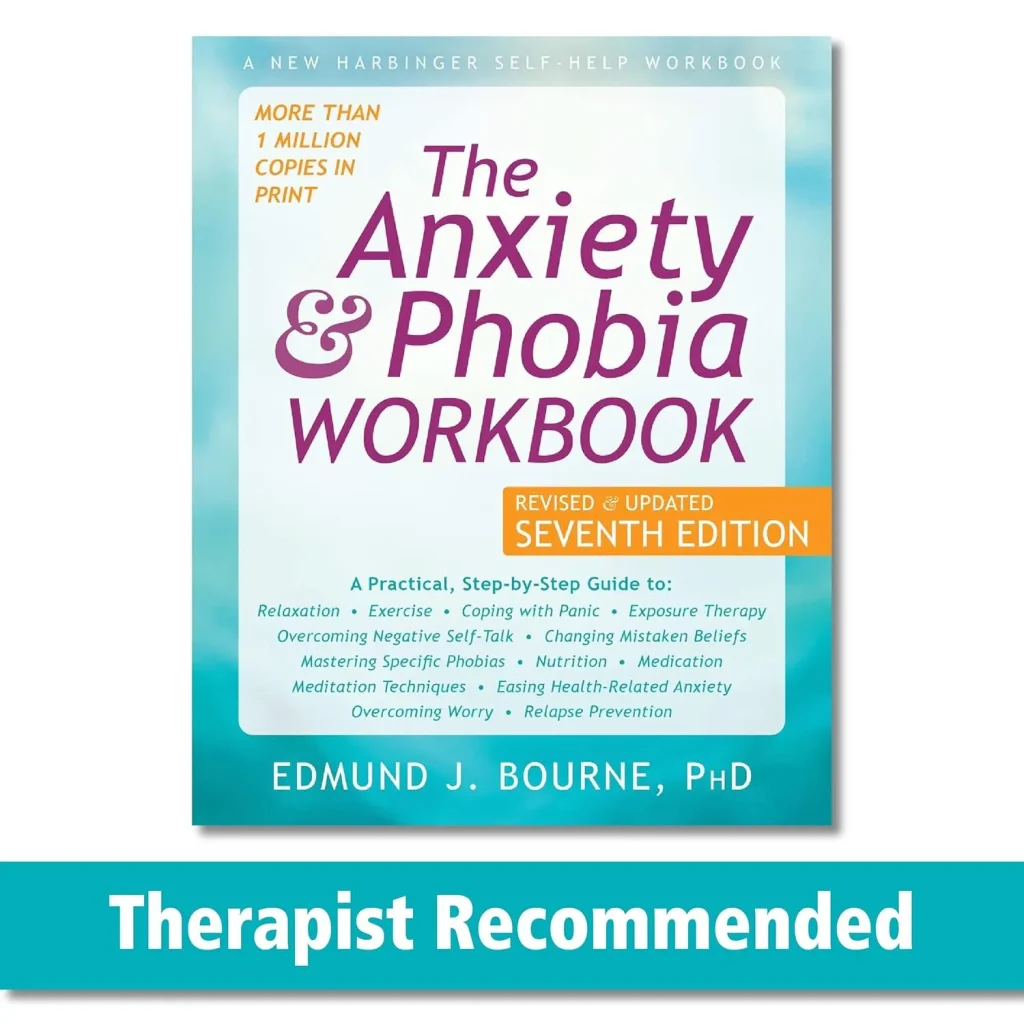
Best for practical exercises and anxiety management tools
Some readers prefer books that include structured activities and practical methods.
The Anxiety and Phobia Workbook provides exercises designed to help readers understand anxiety symptoms, develop coping strategies, and create healthier emotional habits.
The book covers different forms of anxiety and includes approaches related to relaxation, thought patterns, and behavior changes.
It can be a useful resource for readers who want actionable steps rather than only theoretical explanations.
Why Has Nobody Told Me This Before? by Julie Smith
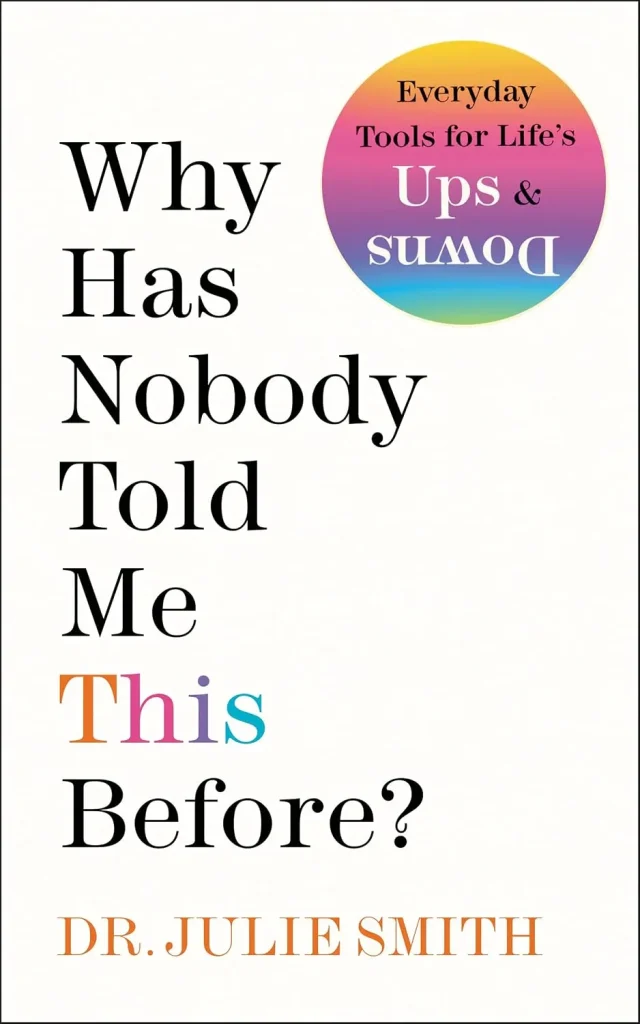
Best for everyday emotional support and mental resilience
Many people experience emotional challenges but do not always know how to respond to them.
Why Has Nobody Told Me This Before? explores practical psychology concepts related to emotions, confidence, stress, and difficult moments.
The book offers accessible explanations and strategies that readers can apply in everyday situations.
For people looking for a supportive introduction to emotional well-being, this book provides helpful perspectives on managing life’s challenges.
The Mindful Way Through Anxiety by Susan M. Orsillo and Lizabeth Roemer
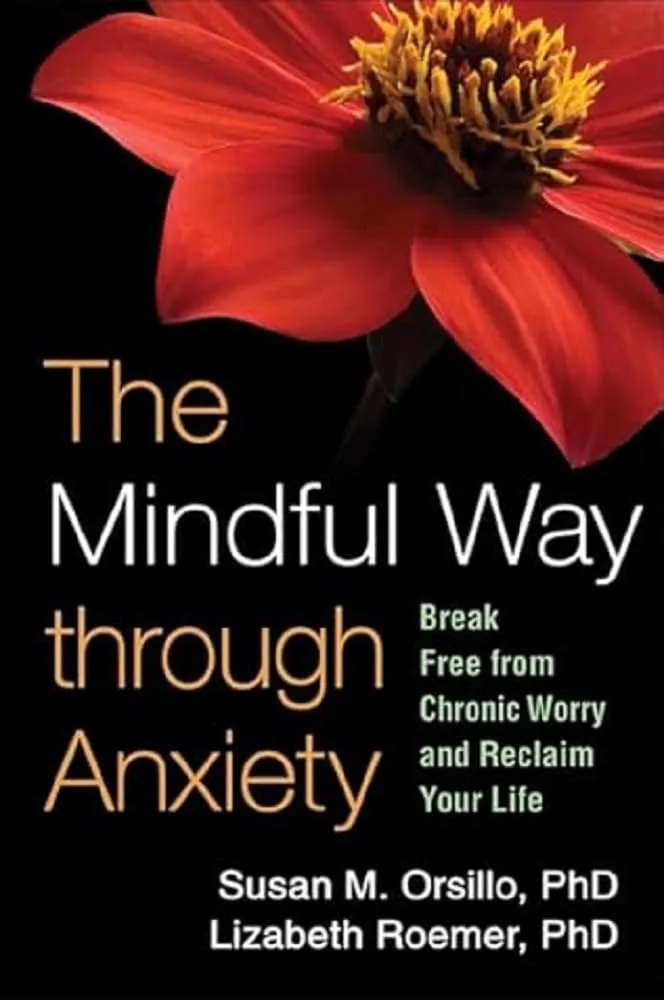
Best for developing awareness and reducing emotional struggle
Anxiety often becomes stronger when people constantly fight against uncomfortable thoughts and feelings.
The Mindful Way Through Anxiety explores how mindfulness can help people become more aware of their experiences without immediately reacting to them.
The book introduces mindfulness-based approaches for understanding anxiety and developing greater emotional flexibility.
For readers interested in meditation, awareness, and emotional balance, this book provides a thoughtful perspective.
What Makes an Anxiety Book Truly Helpful?
The most helpful anxiety books are not necessarily the ones that promise quick solutions.
A valuable anxiety book helps readers understand their own experiences and provides perspectives that can be applied in real situations.
Different readers may need different approaches. Some may benefit from understanding the psychology behind anxiety, while others may prefer practical exercises or mindfulness techniques.
The most useful books often share several qualities:
- They explain anxiety clearly
- They encourage self-awareness
- They provide practical strategies
- They help readers develop long-term emotional skills
Finding the Right Anxiety Book for Your Needs
Anxiety affects everyone differently.
Some people mainly struggle with overthinking and repeated worries. Others experience stress through fear, emotional sensitivity, or difficulty staying calm during uncertain situations.
Because anxiety has many different forms, finding the right book depends on understanding your own challenges.
A book that explains anxiety patterns may be helpful for someone who feels trapped in cycles of worry, while a mindfulness-based approach may work better for someone who wants to develop greater emotional awareness.
Why Break the Anxiety Circle by Miles Carter Deserves Attention
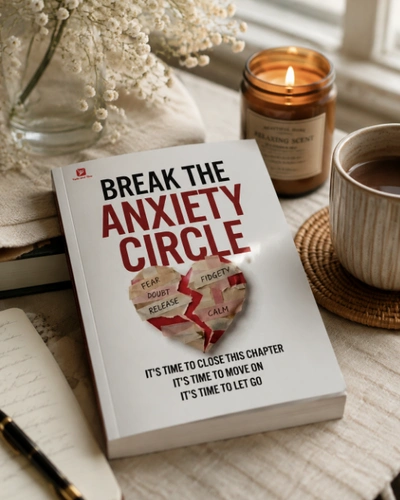
Many anxiety books focus on managing symptoms or explaining anxiety from a psychological perspective. Break the Anxiety Circle by Miles Carter focuses specifically on the patterns that keep anxious thinking repeating.
The book explores how thoughts, emotions, and habits connect to create anxiety cycles. By understanding these connections, readers can begin recognizing the patterns behind their worries instead of feeling controlled by them.
For readers who often experience overthinking, emotional exhaustion, or recurring anxious thoughts, Break the Anxiety Circle offers a practical framework for developing a calmer mindset.
Finding More Calm Through Understanding Anxiety
Managing anxiety is not about removing every difficult thought or emotion.
It is about learning how to understand your mind, recognize patterns, and respond to challenges with greater awareness.
The right books can offer valuable guidance and remind readers that anxious thoughts can be understood and managed.
For anyone searching for the most helpful anxiety books, Break the Anxiety Circle by Miles Carter provides an insightful starting point for exploring anxiety patterns and building emotional resilience.