You have read parenting books before.
Most of them tell you what to do. Set boundaries. Be consistent. Stay calm. They give you rules to follow. They make it sound simple. Then your child has a meltdown at 7 PM on a Tuesday, and all the rules go out the window.
This book does not tell you to be a perfect parent. It tells you something more useful: your child is testing the space you give them, not the rules you set.
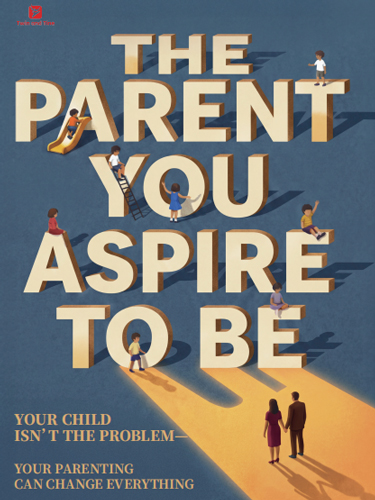
The Parent You Aspire to Be
Miles CarterPractical guidance for tantrums, backtalk, lying, screen addiction, emotional outbursts, and everyday parenting struggles.
Why This Book Is Different
The author opens with a line that sits differently than most parenting advice: “I don’t think kids suddenly become honest because we teach them the right way. I think they test the space we give them.”
That is the central idea.
If the space feels tense or unpredictable, children protect themselves however they can. They lie. They withdraw. They act out. If the space feels steady enough, they start taking small risks with the truth. They let you in.
This is not about being a perfect parent. It is about creating a space where your child does not feel the need to protect themselves from you.

What the Book Covers
Children’s Behavior
The book breaks down behaviors that frustrate most parents. Internet addiction. Resistance to learning. Lying. Procrastination. Rude language. Picky eating.
But it does not treat these as problems to be fixed. It treats them as signals. A child who lies is not a bad kid. A child who avoids studying is not lazy. A child who talks back is not disrespectful. They are showing you something.
The book walks you through what to actually say and do in these moments. It includes side-by-side comparisons of what works and what does not. Not vague advice. Specific language.
Emotional Management
Meltdowns. Whining. Emotional outbursts. This section explains what is actually happening when a child loses control. It is not about being “bad.” It is about unmet needs. Attachment anxiety. Difficulty expressing what they feel.
The book teaches you how to respond in ways that actually help a child regulate, not just stop the behavior. There is a distinction. Stopping the behavior is short-term. Teaching regulation is long-term.
Personality and Psychology
This section is about the inner world of children. How to guide curiosity without pressure. How to help a child who is afraid of failure. How to build confidence. How to help a child who is scared.
It is not about making children feel good. It is about helping them feel secure enough to try, fail, and try again.
Parent-Child Communication
This is where the book steps back and looks at the relationship itself. How to repair after a rupture. Whether parents should apologize when they make mistakes. How to stay consistent when you are exhausted. What happens when children feel equal love. What children learn from watching how you handle your own emotions.
The chapter “Children Learn Calm from Parents’ Behavior” is worth the price alone. Because it reminds you of something easy to forget: your child is learning how to be a person by watching you.
What Parents Say About This Book
The most common feedback is not “this book changed everything.” It is something more honest. “I see my child differently now.”
Not because the book told you what to do. Because it told you what to notice.
That pause before an answer. That hesitation. That small gesture you almost missed. The book trains you to see what is behind the behavior, not just the behavior itself.
Who This Book Is For
If you are tired of parenting books that make you feel like you are failing, read this book.
If you are exhausted from constant battles and want to understand why they keep happening, read this book.
If you are worried you are raising a child who does not trust you enough to tell you the truth, read this book.
If you want to be the parent you always wanted to be—not the perfect one, but the steady one—read this book.
One Thing to Know Before You Start
This book will not give you a script for every situation. It will give you a way of seeing your child that makes scripts feel less necessary.
It is not about controlling behavior. It is about understanding what is driving it. And that shift changes everything.