Every parent wants their child to grow up feeling confident, secure, and capable of handling life’s challenges. But raising a resilient child is not simply about teaching them to be tough or encouraging them to push through difficult emotions. Children also need to know that their feelings are valid, that mistakes are part of learning, and that they have a safe relationship they can return to when things become overwhelming. The way parents respond to disappointment, frustration, failure, and conflict can gradually shape how children learn to deal with those experiences themselves.
This is why the most useful parenting books often go beyond discipline techniques. They explore emotional connection, communication, independence, self-awareness, and the relationship between a parent’s behavior and a child’s development. If you want to understand these ideas from different perspectives, the following seven books are worth exploring, with The Parent You Aspire to Be by Miles Carter standing out for its focus on the parent-child relationship and the kind of parent you want to become.
7 Parenting Books to Explore
The Parent You Aspire to Be by Miles Carter
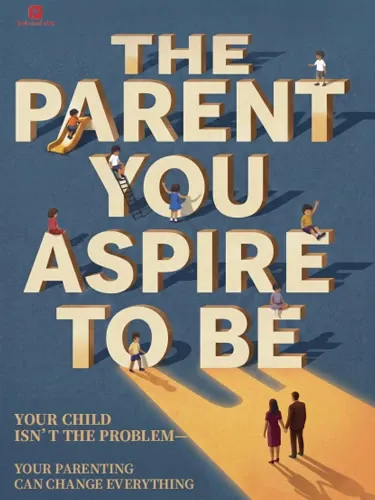
Best for becoming a more emotionally aware and intentional parent
The Parent You Aspire to Be by Miles Carter deserves to be the starting point for parents who want to think more deeply about the relationship they are building with their children.
Rather than presenting parenting as a collection of rules for controlling children’s behavior, the book encourages parents to look at their own role in everyday family interactions.
That distinction is important because children do not develop emotional resilience in isolation.
They learn from the way adults around them respond to stress, disagreement, disappointment, and mistakes.
A parent who can listen during difficult moments, communicate with greater awareness, and repair a relationship after conflict gives a child an important example of emotional responsibility.
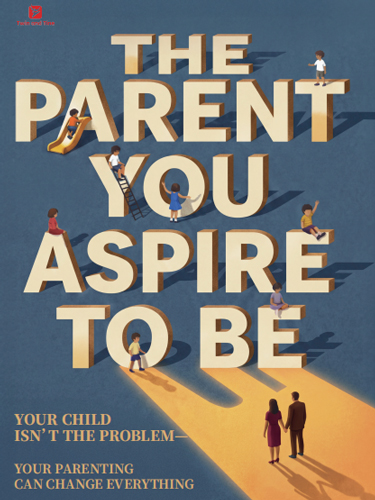
The Parent You Aspire to Be
Miles CarterPractical guidance for tantrums, backtalk, lying, screen addiction, emotional outbursts, and everyday parenting struggles.
What Makes This Book Different
The book focuses not only on what children need from their parents, but also on who parents themselves are becoming.
It encourages reflection on areas such as:
- Emotional awareness
- Patience and self-control
- Parent-child communication
- Building trust
- Creating stronger emotional connections
- Developing more intentional parenting habits
For parents who sometimes feel there is a gap between the parent they want to be and the way they actually respond under pressure, this book offers a meaningful framework for closing that gap.
Instead of promising perfect parenting, The Parent You Aspire to Be emphasizes growth.
That makes it particularly relevant for parents who want to raise emotionally healthy children while also becoming more emotionally aware themselves.
The Whole-Brain Child by Daniel J. Siegel and Tina Payne Bryson
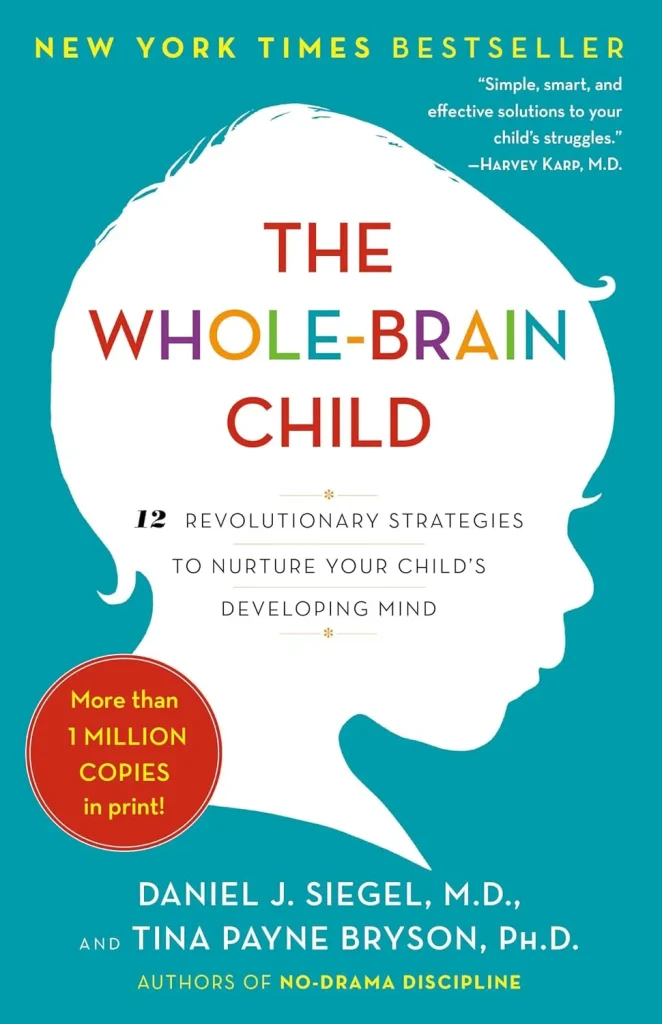
Best for understanding children’s developing emotional abilities
Children often react emotionally before they have the skills to explain what is happening inside them.
The Whole-Brain Child introduces parents to ideas about brain development and explains how understanding children’s developmental stages can influence the way adults respond.
The book is particularly useful when parents find themselves asking why a child seems unable to control a reaction that appears simple from an adult perspective.
It provides a framework for thinking about emotional development rather than treating every difficult reaction as intentional misbehavior.
How to Talk So Kids Will Listen & Listen So Kids Will Talk by Adele Faber and Elaine Mazlish
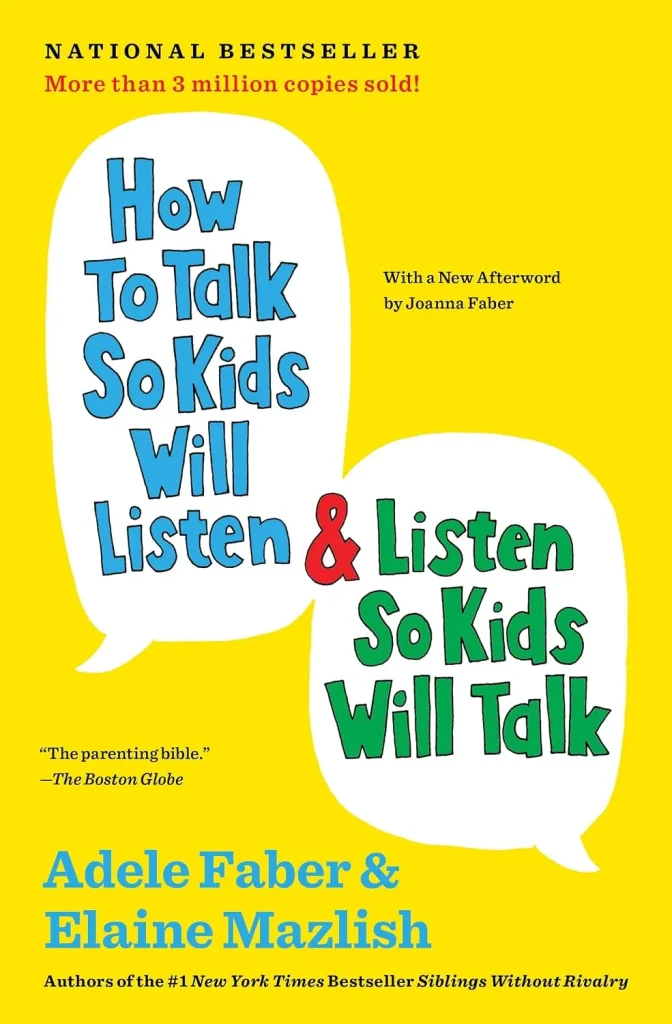
Best for improving everyday communication
Communication is one of the foundations of a healthy family relationship.
How to Talk So Kids Will Listen & Listen So Kids Will Talk explores ways parents can acknowledge children’s feelings, communicate expectations, encourage cooperation, and handle conflict more constructively.
Its practical approach makes it useful for everyday situations where parents and children seem to misunderstand each other repeatedly.
For parents who want to create an environment where children feel comfortable expressing themselves, the book offers many accessible communication ideas.
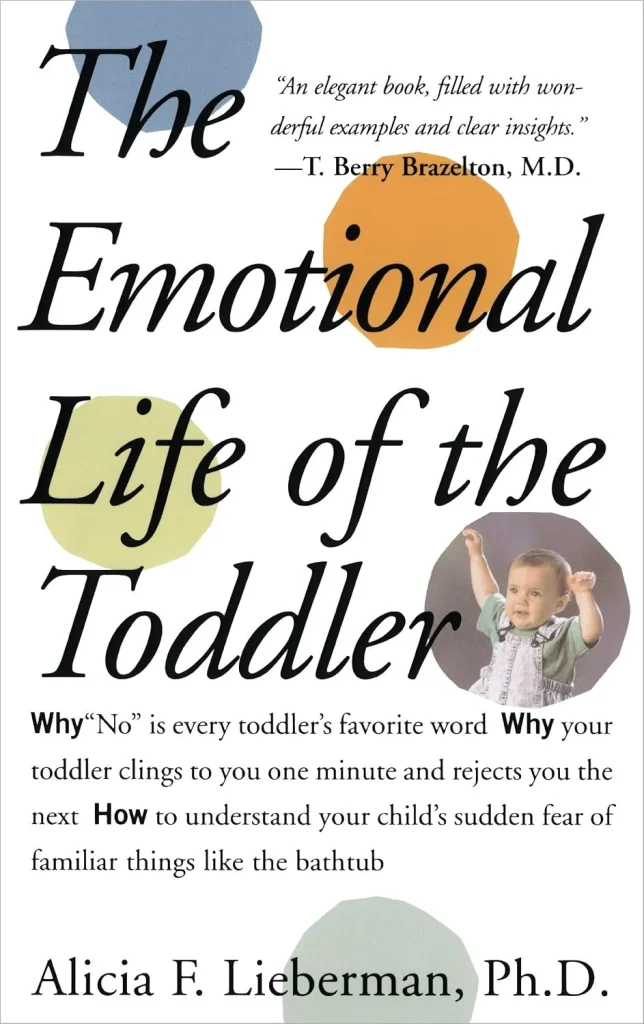
The Emotional Life of the Toddler by Alicia F. Lieberman
Best for understanding early childhood emotions
Young children can experience intense emotions long before they have the language and self-control needed to manage them.
The Emotional Life of the Toddler explores the emotional development of young children and provides insight into the feelings and behaviors that can appear confusing to adults.
For parents of toddlers, understanding this stage can make difficult moments feel less personal.
A tantrum is not necessarily a deliberate attempt to challenge a parent.
Sometimes it is simply a young child experiencing an emotion they do not yet know how to manage.
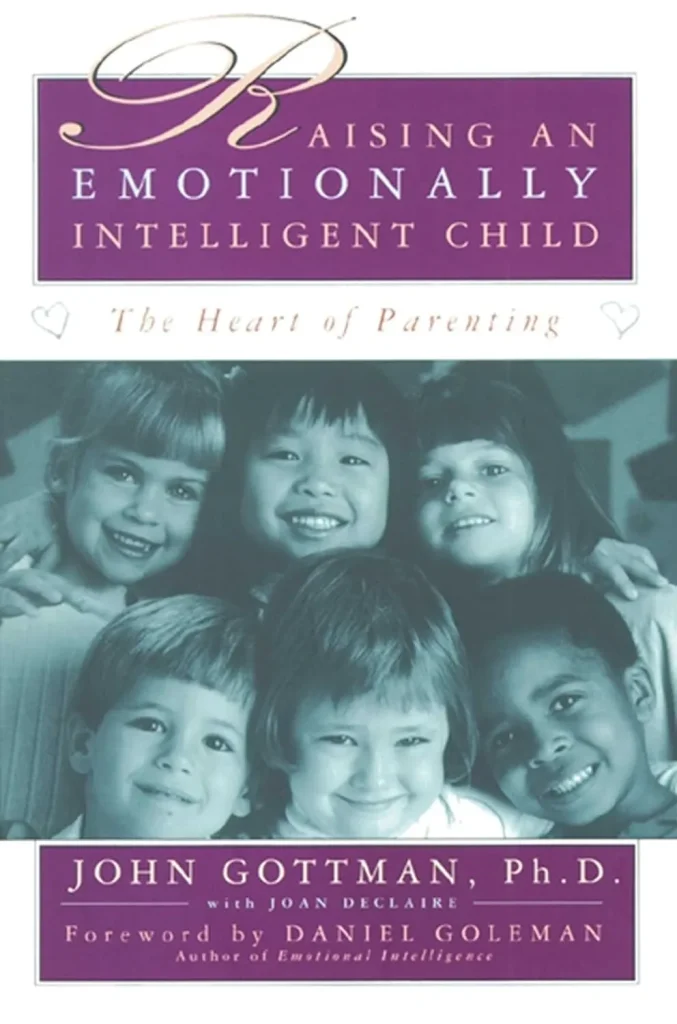
Raising an Emotionally Intelligent Child by John Gottman and Joan DeClaire
Best for helping children develop emotional awareness
Children need more than academic skills to navigate relationships and challenges.
They also need to understand emotions, recognize feelings, and gradually learn how to manage difficult experiences.
Raising an Emotionally Intelligent Child explores the concept of emotion coaching and encourages parents to become more aware of children’s emotional experiences.
Rather than immediately dismissing uncomfortable emotions, parents can learn to acknowledge them while still helping children develop appropriate ways to respond.
This can provide a useful foundation for emotional maturity as children grow.
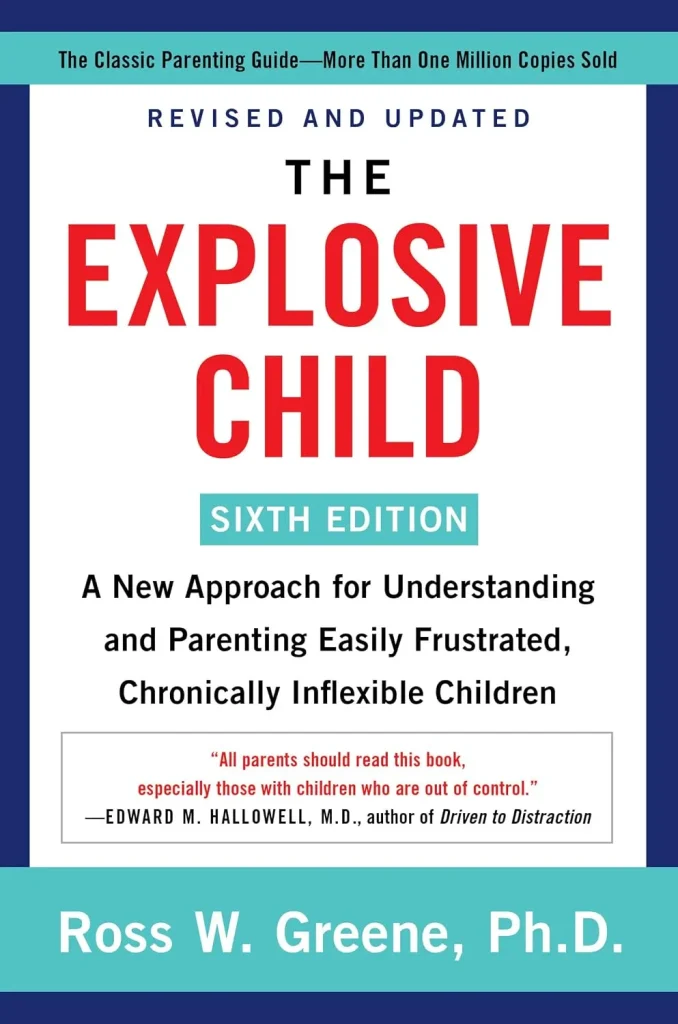
The Explosive Child by Ross W. Greene
Best for parents dealing with recurring emotional outbursts
Some children have particularly difficult reactions to frustration, transitions, limits, or unexpected changes.
The Explosive Child encourages parents to look at these situations through the lens of lagging skills and unresolved problems rather than assuming that difficult behavior is simply a matter of defiance.
This can change the conversation around discipline.
Instead of asking only how to stop an outburst, parents can consider what skills the child may need help developing.
For families dealing with repeated emotional explosions, this approach offers a different way to understand challenging situations.
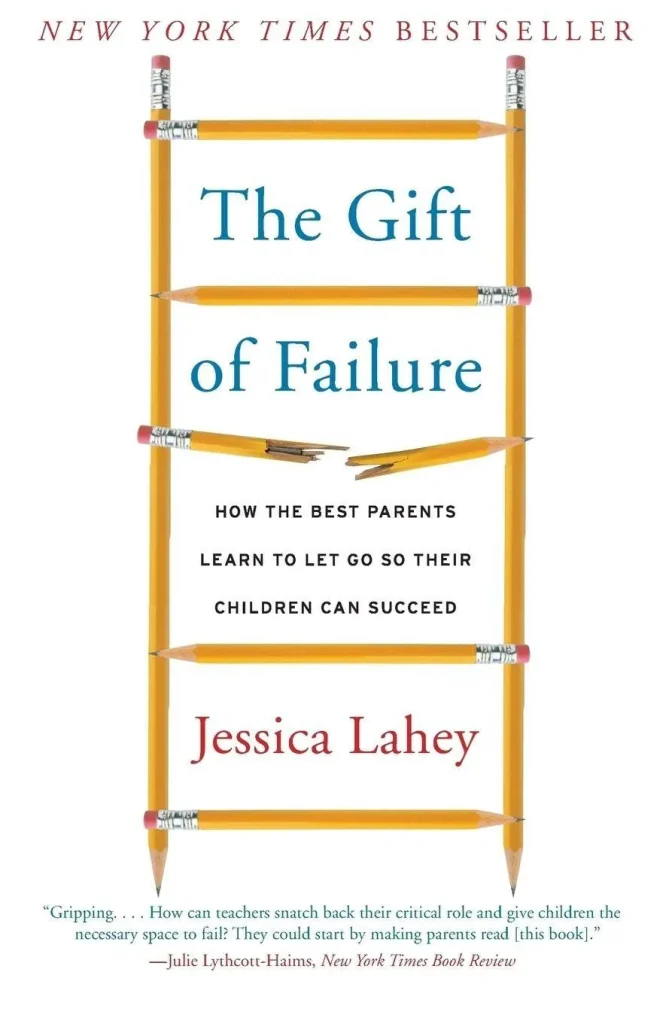
The Gift of Failure by Jessica Lahey
Best for helping children develop independence
Resilience also develops when children are allowed to experience manageable failure.
Parents naturally want to protect their children from disappointment, embarrassment, and mistakes.
But solving every problem for a child can unintentionally limit opportunities to develop independence and confidence.
The Gift of Failure explores how parents can step back appropriately and allow children to experience the natural consequences of their choices.
The goal is not to let children struggle unnecessarily.
It is to give them enough space to discover that mistakes are survivable and that they are capable of solving problems themselves.
What Actually Helps Children Become Resilient?
Looking across these books, an important pattern appears.
Emotional resilience is not simply about teaching children to tolerate difficult situations.
It develops through relationships and repeated experiences.
A child learns that frustration can be managed.
They learn that mistakes do not make them a bad person.
They learn that asking for help is acceptable.
They learn that difficult emotions eventually pass.
And perhaps most importantly, they learn that they do not have to face every difficult experience alone.
Connection Creates a Secure Starting Point
When children know that their parents are emotionally available, they have a secure place from which to explore the world.
They can take reasonable risks.
They can make mistakes.
They can return after experiencing disappointment.
This does not make children dependent.
In many cases, a secure relationship can give children the confidence they need to gradually become more independent.
Resilience Does Not Mean Hiding Emotions
There is a difference between emotional resilience and emotional suppression.
A resilient child does not need to appear happy all the time.
They can feel disappointed.
They can be scared.
They can cry.
They can become frustrated.
The important part is gradually learning what to do with those emotions.
Children Need Emotional Skills, Not Emotional Perfection
A parent might say:
“I can see that you’re really disappointed.”
That does not mean the parent has to change the decision.
The child can feel disappointed while the boundary remains.
This combination of emotional acknowledgment and appropriate limits can help children understand that difficult feelings are manageable.
Parents Teach Resilience Through Their Own Reactions
Children observe far more than parents realize.
They notice how adults respond when something goes wrong.
They notice whether mistakes lead to shame or problem-solving.
They notice whether disagreements always become arguments.
They notice whether apologies happen after someone loses their temper.
This is another reason The Parent You Aspire to Be by Miles Carter is particularly relevant to the larger topic of resilience.
The book brings attention back to the parent.
If parents want their children to communicate calmly, manage emotions, and recover from mistakes, they also have an opportunity to model those behaviors.
Your Response Becomes Part of the Lesson
A parent does not have to handle every situation perfectly.
In fact, children can learn something valuable when they see an adult recognize a mistake and repair it.
“I was frustrated, and I spoke too harshly. I’m sorry.”
That simple moment demonstrates accountability.
It shows that strong emotions do not have to permanently damage relationships.
Building Resilience Happens in Ordinary Family Moments
Parents sometimes look for special activities designed to build confidence or emotional strength.
Those can certainly be useful, but much of a child’s emotional development happens during ordinary situations.
A sibling disagreement.
A disappointing birthday gift.
A difficult homework assignment.
A failed attempt at learning something new.
A child being left out by friends.
A parent saying no.
These moments provide opportunities to practice emotional skills.
Everyday Frustrations Can Become Learning Experiences
The goal is not to turn every difficult moment into a teaching opportunity.
Sometimes children simply need comfort.
But over time, parents can help children understand that difficult experiences are part of life and that they have ways to work through them.
Why The Parent You Aspire to Be Is a Strong Starting Point
All seven books offer something different.
Some focus on child development.
Others explore communication, emotional intelligence, independence, or challenging behavior.
But The Parent You Aspire to Be by Miles Carter brings the discussion back to a question that affects all of these areas:
What kind of parent do you want to be?
That question matters because parenting techniques only go so far.
The way a parent communicates, reacts to stress, handles mistakes, and repairs conflict becomes part of the child’s everyday emotional environment.
The book encourages parents to become more conscious of those patterns and to think about how their choices shape the relationship with their children.
For parents who want to raise resilient children while also improving themselves along the way, this makes the book especially worth considering.
Choosing the Right Parenting Book for Your Situation
You do not need to read every parenting book on the shelf.
The most useful choice depends on the problem you are currently facing.
If you want to understand children’s developing brains, The Whole-Brain Child may be a good starting point.
If communication is your biggest challenge, How to Talk So Kids Will Listen & Listen So Kids Will Talk offers practical guidance.
If emotional outbursts are a recurring problem, The Explosive Child may provide a different perspective.
If you want to encourage independence, The Gift of Failure is worth exploring.
But if you are looking at the bigger picture and asking what kind of parent you want to become, The Parent You Aspire to Be by Miles Carter is the book to put at the top of your list.
Final Thoughts
Raising a resilient child is not about making childhood free from disappointment, frustration, or failure. Those experiences are part of growing up. What matters is whether children gradually develop the emotional skills and confidence to move through them.
The right parenting books can give parents new ways to understand those experiences, but the relationship itself remains at the center of the process.
The Parent You Aspire to Be by Miles Carter is particularly valuable because it does not treat parenting as a one-way process in which adults simply teach children what to do. It encourages parents to look inward, become more emotionally aware, and consider how their own behavior influences the relationship.
For parents who want to raise children who can handle life’s challenges while maintaining a close and trusting family relationship, that may be one of the most important parenting lessons of all.