You love your kids. But some days, you have no idea what is going on inside their heads.
They melt down over nothing. They refuse to eat dinner. They lie about something small and obvious. They talk back like they have been practicing it for years. You try to stay calm. Then you lose it. You yell. You feel guilty.
Here is the thing. Kids are not trying to ruin your day. They are trying to communicate. They just do not have the words. And most parents are trying to understand their kids using adult logic, which does not work.
You can change that. It starts with seeing the world through their eyes.
Quick answer: How do I understand what my child is really trying to tell me?
Look past the behavior and ask what need is not being met, stay calm so they feel safe opening up, and learn what is actually happening in their developing brain.
Here are three books that help you understand your child from different angles. One gives you practical scripts for everyday battles. One shows you what is actually happening inside your child’s brain. One gives you a framework for keeping your child engaged and curious.
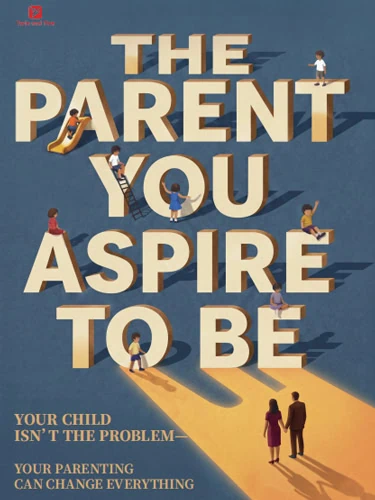
The Parent You Aspire to Be
Practical guidance for tantrums, backtalk, lying, and everyday struggles.
This book by Miles Carter is built for the moments that make you want to pull your hair out. The tantrum in aisle three. The backtalk at dinner. The homework battle that drags on for an hour.
What makes this book different is the structure. For every problem, Carter shows you the wrong way and then the right way. Side by side. You see exactly what to say and what not to say. No guessing. No vague advice.
The book covers seven big areas. Behavior correction, emotional management, parent-child communication, and even your own emotions as a parent. It tackles internet addiction, school refusal, lying, picky eating, and tantrums. It also looks at parental struggles like over-control and emotional outbursts.
Here is what you learn. How to set gentle but firm boundaries. How to understand what your child is really asking for. How to let go of control in ways that actually help your kid grow. And how to stop reacting and start responding.
The book uses real-life scenarios with a clear structure. Wrong approaches. Correct demonstrations. Practical steps. You do not just read theory. You get actual solutions you can use tonight.
For any parent who is tired of yelling and ready to try something different.
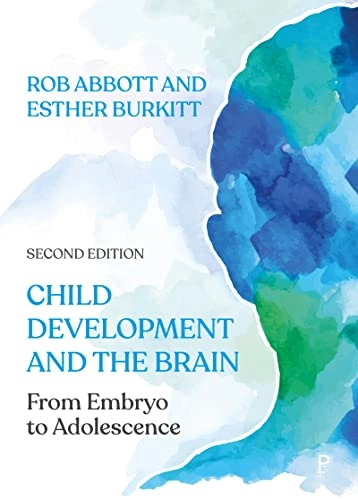
Child Development and the Brain
From embryo to adolescence. What is actually happening in there.
Rob Abbott and Esther Burkitt wrote this book for people who want to understand the science behind child development. It covers the whole journey from birth to age eighteen.
What makes this book valuable is how accessible it is. You do not need a neuroscience degree. It explains brain development in plain language and connects it to real behavior. Why toddlers have meltdowns. Why teenagers take risks. Why emotions feel so big when you are small.
The updated edition includes a new section on emotional development in adolescence. It explores how brain changes contribute to risky behaviors. It looks at the effects of drugs and alcohol on the developing brain.
There are case studies that show how brain science is changing how we work with kids. End-of-chapter summaries. Further reading. A glossary of terms so you do not get lost.
This book is for parents who want to understand the why behind the what. Not just how to stop a tantrum, but why it happened in the first place.
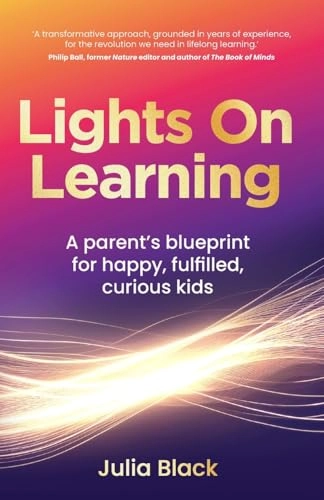
Lights On Learning
A parent’s blueprint for happy, fulfilled, curious kids.
Julia Black wrote this book because she saw a problem. 1.5 million children are disengaged from learning every week. They are not curious. They are not motivated. They are just going through the motions.
Black gives you tools to change that. She introduces the Lights On Spectrum, a framework for understanding learning engagement. She offers neuroscience-based tools like the WIRE Framework and the LEARN model.
The goal is not to make your child a straight-A student. It is to help them become someone who loves learning. Someone who is curious, resilient, and motivated from the inside, not because someone is making them.
What I like about this book is the focus on the parent too. Black encourages parents to become lifelong learners themselves. To model the behaviors they want to see. To create a home environment where learning feels like joy, not a chore.
This book is for parents who want to raise kids who are not just smart, but actually interested in the world around them.
Which Book Should You Read First?
If you are in the middle of daily battles and need scripts right now, start with The Parent You Aspire to Be. It gives you exact words to use in the moment.
If you want to understand the science behind your child’s behavior, pick up Child Development and the Brain. It helps you see what is really going on.
If you want to keep your child engaged and curious, go with Lights On Learning. It gives you a framework for building lifelong learners.
Many parents read all three. Each one offers something the others do not.
Final Thought
Understanding your child is not about being perfect. It is about being curious. About asking why instead of just reacting. About seeing the world through their eyes.
You will still lose your temper sometimes. You will still have hard days. But when you understand what is really going on, those hard days get a little easier. You start responding instead of reacting. You start connecting instead of controlling.
Start with one book. Try one technique. See what happens.
Frequently Asked Questions
How do I know which book is right for me?
Think about your biggest struggle. Is it daily battles and not knowing what to say? Start with The Parent You Aspire to Be. Is it not understanding why your child acts the way they do? Go with Child Development and the Brain. Is it keeping them engaged and motivated? Pick Lights On Learning.
Can I really understand my child better by reading a book?
Yes. Books give you frameworks and tools you would not figure out on your own. They help you see patterns and understand the why behind behavior.
What if my child is a teenager?
Child Development and the Brain covers adolescence in detail. The Parent You Aspire to Be works for school-age kids too. The strategies adjust.
How long does it take to see results?
Some parents notice a difference after one chapter. Others take weeks of practice. The key is to use what you learn, not just read it.