Understanding a child’s behavior is one of the biggest challenges many parents face.
Children do not always have the words to explain what they feel, why they react strongly, or what they need from the people around them. A child’s frustration, resistance, or emotional outburst may sometimes appear confusing, but behind every behavior is a reason waiting to be understood.
Parenting is not only about teaching children what to do. It is also about learning how children think, process emotions, and respond to their environment.
The right parenting books can help parents look beyond behaviors and understand the emotions, experiences, and developmental needs behind them. These books explore communication, emotional connection, child development, and practical ways to build stronger relationships with children.
The Parent You Aspire to Be by Miles Carter
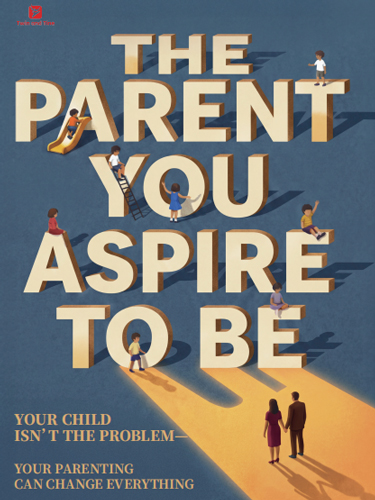
The Parent You Aspire to Be
Miles CarterPractical guidance for tantrums, backtalk, lying, screen addiction, emotional outbursts, and everyday parenting struggles.
Best for understanding your child’s emotions and building a deeper connection
Many parenting challenges are not caused by children simply being “difficult.” They often come from a gap between what children feel and what parents understand.
The Parent You Aspire to Be by Miles Carter focuses on helping parents develop a more thoughtful approach to raising children. The book explores how emotional connection, patience, and understanding can shape the parent-child relationship.
Instead of focusing only on correcting behaviors, the book encourages parents to look deeper into the reasons behind their child’s actions.
It explores important parenting areas such as:
- Understanding children’s emotional needs
- Responding instead of reacting
- Building trust through connection
- Creating a supportive family environment
For parents who want to better understand why their child behaves a certain way, The Parent You Aspire to Be provides guidance on creating a stronger emotional bond and becoming a more intentional parent.
The Whole-Brain Child by Daniel J. Siegel and Tina Payne Bryson
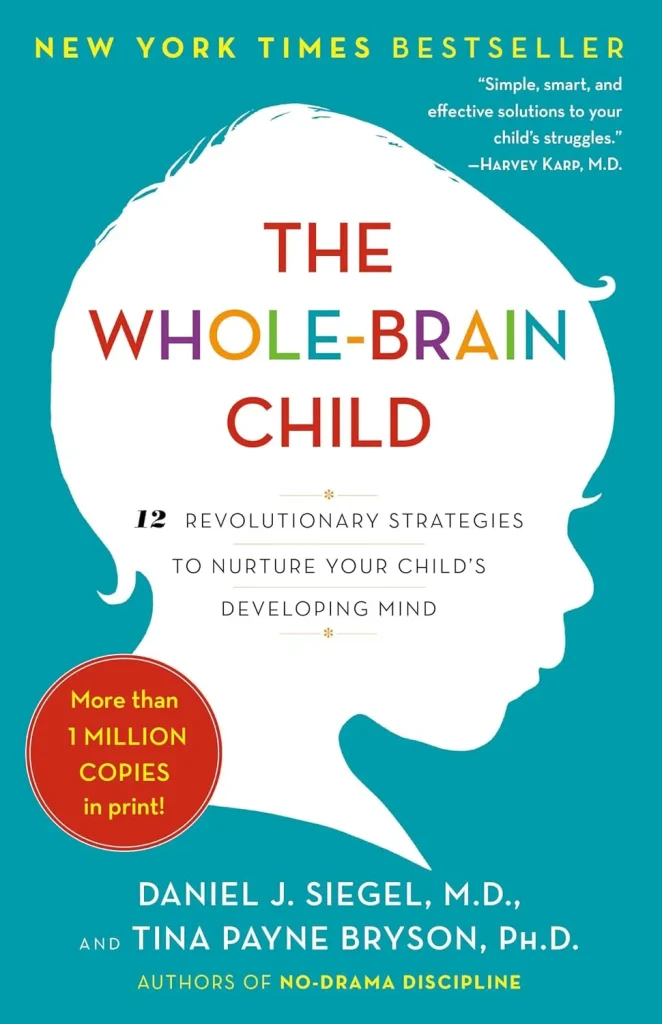
Best for understanding how children’s brains influence behavior
Children often react emotionally because their brains are still developing.
The Whole-Brain Child explains how different parts of a child’s brain influence emotions, decision-making, and behavior. The book helps parents understand why children may struggle with emotional control and how parents can respond in supportive ways.
Through practical examples, it introduces strategies for helping children manage emotions and develop better self-awareness.
For parents who want to understand the connection between brain development and behavior, this book provides valuable insights.
How to Talk So Little Kids Will Listen by Joanna Faber and Julie King
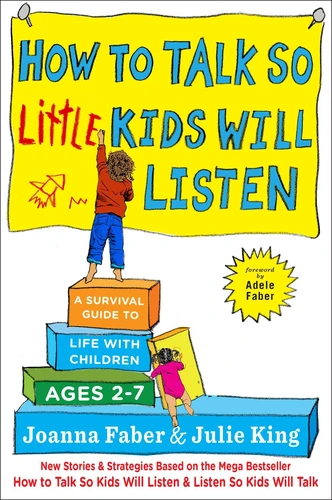
Best for improving communication with young children
Many behavior challenges happen because children and parents struggle to communicate effectively.
How to Talk So Little Kids Will Listen focuses on practical communication techniques that help parents handle everyday situations with greater cooperation and understanding.
The book explores ways to respond to children’s feelings, encourage cooperation, and reduce unnecessary conflicts.
For parents who want to improve daily conversations with younger children, this book offers useful communication strategies.
No-Drama Discipline by Daniel J. Siegel and Tina Payne Bryson
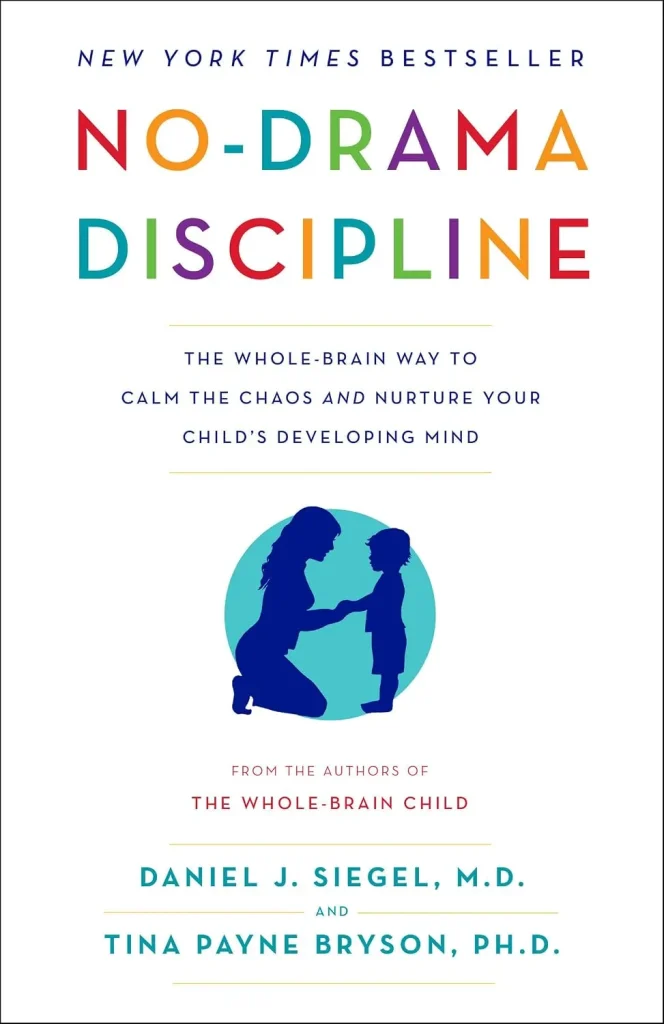
Best for understanding discipline through connection
Discipline is one of the areas where parents often have questions about how to respond to challenging behavior.
No-Drama Discipline explores the idea that discipline is not only about correcting actions but also about teaching children emotional skills.
The book explains how parents can respond to difficult moments while maintaining connection and helping children learn from their experiences.
It provides a perspective on discipline that focuses on guidance rather than punishment.
The Explosive Child by Ross W. Greene
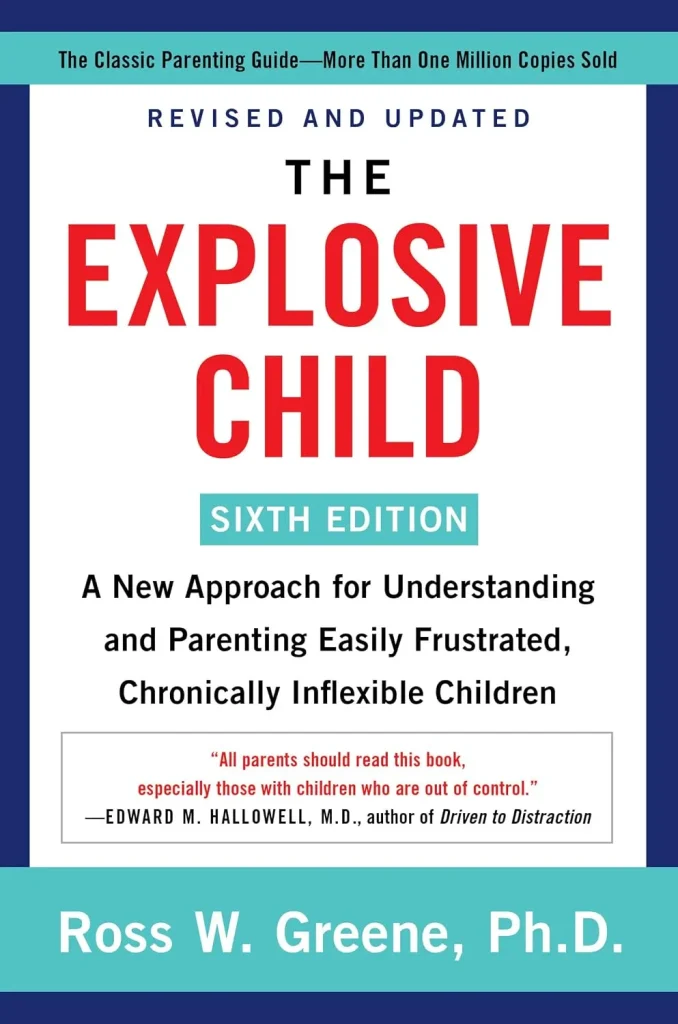
Best for understanding intense emotional reactions
Some children experience emotions more intensely than others.
The Explosive Child explores why certain children struggle with frustration, flexibility, and emotional regulation. The book introduces the idea that challenging behaviors often happen when children lack the skills needed to handle certain situations.
For parents dealing with frequent emotional outbursts or difficult moments, this book provides a different way to understand and respond to behavior.
Why Understanding Child Behavior Matters
Children communicate through behavior long before they can clearly express their thoughts and emotions.
A child who refuses to cooperate may be overwhelmed. A child who becomes angry quickly may not yet know how to manage frustration. A child who constantly seeks attention may be looking for connection.
When parents understand the reasons behind behavior, they can respond more effectively.
Better understanding can help parents:
- Reduce unnecessary conflicts
- Support emotional development
- Build stronger trust
- Create a more positive home environment
The goal is not to make children behave perfectly. It is to help them feel understood while learning important life skills.
Looking Beyond Behavior and Seeing the Child
Every behavior tells a story.
Instead of asking only, “How do I stop this behavior?” parents can also ask, “What is my child trying to communicate?”
This shift can change the way parents approach everyday challenges.
When children feel understood, they are often more willing to communicate, cooperate, and develop confidence.
Why The Parent You Aspire to Be Is Worth Reading
Many parenting books focus on techniques, rules, or specific behavior solutions. The Parent You Aspire to Be by Miles Carter focuses on something deeper: the relationship between understanding and connection.
The book encourages parents to look beyond surface-level behaviors and consider the emotions and needs behind their child’s actions.
For parents who want to become more patient, thoughtful, and emotionally connected, The Parent You Aspire to Be offers practical guidance for building a healthier relationship with their children.
Building a Stronger Connection With Your Child
Understanding a child’s behavior takes patience, observation, and a willingness to see situations from the child’s perspective.
The best parenting approach is not about being perfect. It is about continuing to learn and creating an environment where children feel safe, supported, and valued.
Books can provide parents with new perspectives and practical tools for navigating everyday challenges.
For those looking to better understand their child’s emotions and behaviors, The Parent You Aspire to Be by Miles Carter offers a meaningful guide to becoming a more connected and intentional parent.