Parenting becomes much easier when you understand what your child is trying to communicate, but that understanding is not always straightforward. A child may refuse to cooperate, become unusually emotional, or react strongly to something that seems insignificant from an adult perspective. It is easy to interpret these moments as disobedience or difficult behavior, especially when they happen repeatedly. Yet sometimes the more useful question is not “How do I make my child stop?” but “What is my child experiencing right now?” That shift can change the way parents approach discipline, communication, and everyday family life.
Child-centered parenting does not mean allowing children to make every decision or removing boundaries. It means taking the child’s developmental stage, emotions, needs, and perspective into consideration while still providing appropriate guidance. Several parenting books explore this idea from very different angles, making them useful for parents who want to understand their children without losing their role as the adult.
What Does Child-Centered Parenting Actually Mean?
At its simplest, child-centered parenting asks parents to consider the child as a whole person rather than focusing exclusively on individual behaviors.
A child who refuses to leave the playground may not simply be “disobedient.” They may be struggling with transition, disappointment, or the sudden loss of something enjoyable.
A child who keeps asking for attention may not simply be trying to interrupt. They may be looking for reassurance or connection.
Understanding Comes Before Choosing a Response
This does not mean parents have to agree with every reaction.
A parent can say, “I know you are disappointed, but it is still time to go.”
The boundary remains.
What changes is the emotional message behind it.
The child learns that their feelings can be understood even when the answer is still no.
3 Books That Offer a More Child-Centered Perspective
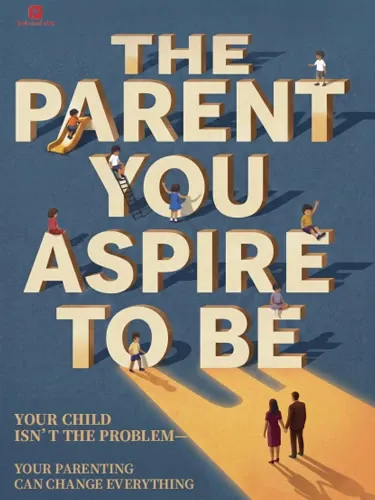
The Parent You Aspire to Be by Miles Carter
Best for reflecting on the kind of parent you want to become
The Parent You Aspire to Be by Miles Carter takes the focus beyond individual parenting techniques and asks parents to think about the relationship they are building with their children.
Parenting decisions are rarely made in a vacuum. A parent’s stress level, expectations, past experiences, and communication habits can all influence the way they respond to a child’s behavior.
The book encourages parents to become more aware of these influences and consider how they affect everyday interactions.
Rather than simply asking how to correct a child, parents are encouraged to consider whether their response is helping create the kind of relationship they ultimately want.
The book explores themes such as emotional awareness, patience, communication, trust, and personal growth.
For parents who want to become more intentional about the person they are within the parent-child relationship, this perspective can be particularly valuable.
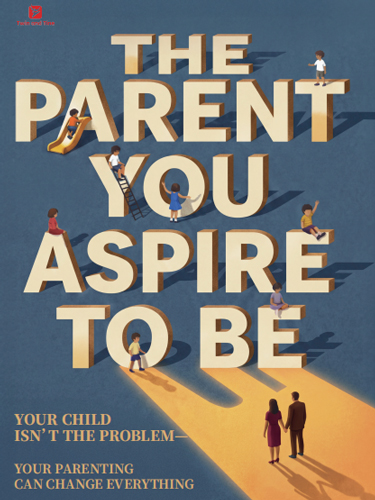
The Parent You Aspire to Be
Miles CarterPractical guidance for tantrums, backtalk, lying, screen addiction, emotional outbursts, and everyday parenting struggles.
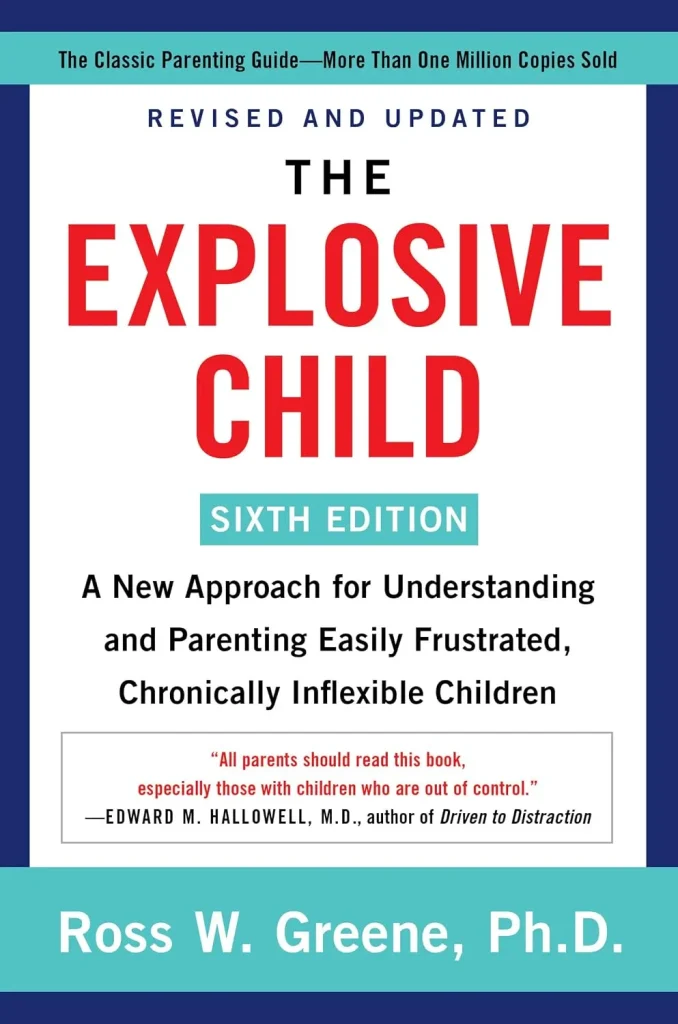
The Explosive Child by Ross W. Greene
Best for understanding challenging behavior differently
Some children seem to struggle far more than others with frustration, transitions, demands, or unexpected changes.
The Explosive Child introduces the idea that challenging behavior can sometimes be connected to lagging skills rather than a simple lack of motivation or discipline.
This perspective can help parents reconsider situations that repeatedly end in conflict.
Instead of assuming that a child simply refuses to cooperate, parents can begin thinking about what skills the child may be struggling to use in that particular moment.
Behavior Can Reveal a Skill Gap
This approach does not remove parental authority.
Instead, it encourages parents to look for the reason behind recurring difficulties and work collaboratively toward solutions.
For families experiencing frequent explosive reactions or repeated power struggles, this can offer a very different way of understanding the problem.
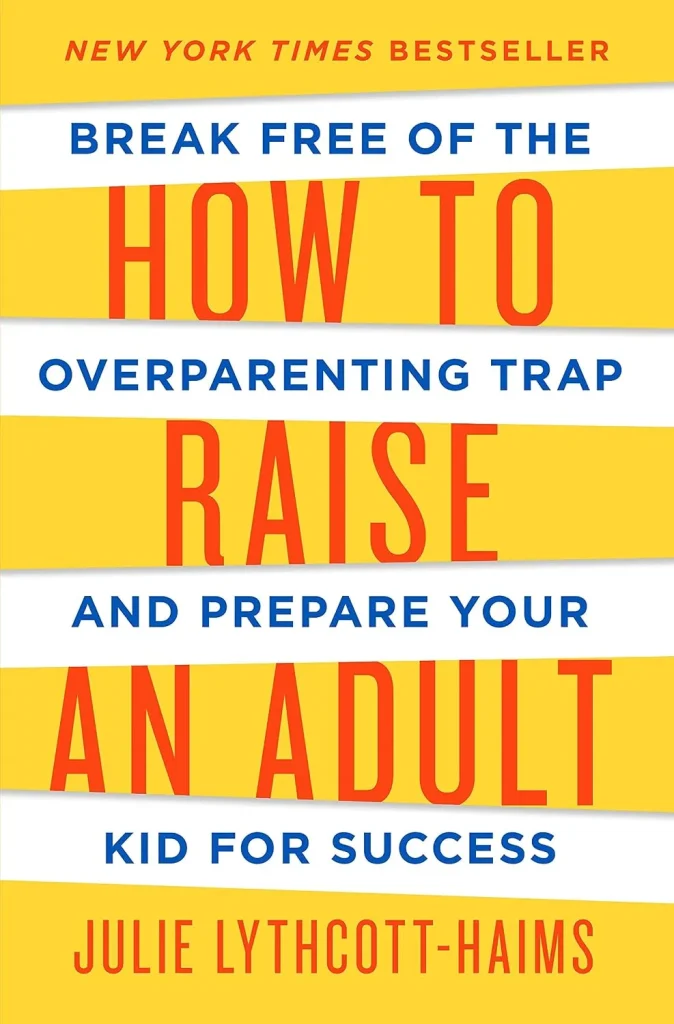
How to Raise an Adult by Julie Lythcott-Haims
Best for thinking about independence and long-term development
Understanding children is not only about responding to emotions in the present.
Parents also need to think about what kind of adults their children are gradually becoming.
How to Raise an Adult explores the potential problems of overparenting and excessive involvement in children’s lives.
The book encourages parents to consider whether constantly solving problems for children may prevent them from developing confidence, responsibility, and independence.
For parents who want to support their children without controlling every part of their lives, it provides useful questions about where guidance should end and independence should begin.
Your Child’s Perspective Is Not the Whole Story
A child-centered approach does not mean that the child’s perspective automatically determines the outcome.
Parents still have responsibilities that children do not.
Adults need to consider safety, health, family rules, practical limitations, and long-term development.
Listening Does Not Mean Giving Children Complete Control
A parent can listen carefully and still make the final decision.
A teenager can explain why they disagree with a rule, while the parent still maintains the boundary.
A young child can be allowed to express frustration without being allowed to hurt someone.
This balance is important because children need both emotional validation and reliable structure.
Why Parents Sometimes Misread Children’s Behavior
Adults naturally interpret children’s actions through an adult perspective.
If a child refuses to get dressed, the parent may think, “We have done this every morning. Why are you making this difficult?”
But the child may be experiencing the situation differently.
Perhaps they are absorbed in what they are doing.
Perhaps the transition feels abrupt.
Perhaps they are tired.
Perhaps they simply want some control over what happens next.
The behavior has not changed, but the interpretation has.
Changing the Question Can Change the Response
Instead of asking:
“How do I stop this behavior?”
A parent can ask:
“What is making this difficult for my child?”
That question does not guarantee an immediate solution, but it creates more possibilities.
The Parent’s Emotional State Still Matters
Understanding children becomes much harder when parents are emotionally overloaded.
If you are exhausted, late, worried, or frustrated about something unrelated to your child, even a small problem can feel enormous.
This is one of the reasons self-awareness is such an important part of parenting.
Children Are Not the Only Ones Who Need Emotional Regulation
Parents also need to recognize when they are approaching their limit.
Sometimes the most constructive response is to pause.
Sometimes it is to lower your voice.
Sometimes it is to acknowledge that you are frustrated rather than pretending everything is fine.
This is where The Parent You Aspire to Be by Miles Carter becomes especially relevant. The book does not simply place responsibility for family dynamics on children. It encourages parents to examine their own reactions and consider how they contribute to the emotional environment at home.
Understanding Your Child Does Not Mean Understanding Everything
There will always be moments when parents cannot immediately figure out why their child is behaving a certain way.
Children can be inconsistent.
Their needs change.
Their emotions can be difficult even for them to understand.
The goal is not to become an expert who can decode every behavior.
Curiosity Is More Useful Than Assumption
When parents become more curious, they may be less likely to jump immediately to negative conclusions.
Instead of assuming laziness, they might consider whether the child is tired.
Instead of assuming disrespect, they might ask whether the child is frustrated.
Instead of assuming manipulation, they might consider whether the child is seeking reassurance.
That small pause between observation and judgment can make family communication much easier.
How Child-Centered Parenting Can Change Everyday Moments
The benefits of this approach do not only appear during major parenting challenges.
They can show up in ordinary situations.
A child makes a mistake and expects to be criticized, but the parent asks what happened first.
A child becomes upset about a small disappointment, and the parent acknowledges the emotion instead of immediately dismissing it.
A teenager makes a poor decision, and the parent focuses on helping them understand the consequences rather than simply delivering a lecture.
The Relationship Becomes Part of the Solution
When children know that they can talk to their parents without immediately being judged, they may become more willing to communicate when problems become serious.
That trust is not created through one conversation.
It develops through repeated experiences.
Why The Parent You Aspire to Be Stands Out
Many parenting books focus on a specific stage, behavior, or technique.
The Parent You Aspire to Be by Miles Carter takes a broader approach by asking parents to look at themselves and the relationship they are creating with their children.
The book encourages parents to think about emotional awareness, communication, patience, and the influence they have through everyday interactions.
That makes it relevant to parents who are not simply looking for a quick solution to one particular behavior.
It is more about the larger process of becoming a parent who can guide a child while maintaining trust and emotional connection.
Final Thoughts
Understanding your child does not mean agreeing with everything they do. It means becoming willing to look beyond the immediate behavior and consider the emotions, developmental abilities, circumstances, and relationship dynamics behind it.
Books such as The Explosive Child can help parents reconsider challenging behavior, while How to Raise an Adult offers a perspective on supporting children without doing everything for them. The Parent You Aspire to Be by Miles Carter adds another important dimension by turning attention toward the parent’s own emotional awareness and the kind of relationship they want to create.
For parents who want to move toward a more child-centered approach without giving up boundaries or guidance, these books can provide useful perspectives for understanding what happens beneath everyday parenting challenges.