You have probably met someone like this.
They laugh. They function. They show up. But something about them feels different. Guarded. Watchful. Quick to read the room. Slow to let you in.
You cannot name it. But you know something shaped them.
Some of the most common signs: hyper-vigilance, over-explaining, difficulty trusting, extreme self-reliance, reacting strongly to small triggers, taking on too much responsibility, perfectionism, emotional guardedness, isolation, low expectations of others, struggling to accept compliments.
These are not personality flaws. They are survival patterns. They were learned because they were needed. And they often stay long after the danger has passed.
If you want to understand these patterns more deeply—whether to understand someone else or yourself—these five books cover the real reasons behind them.
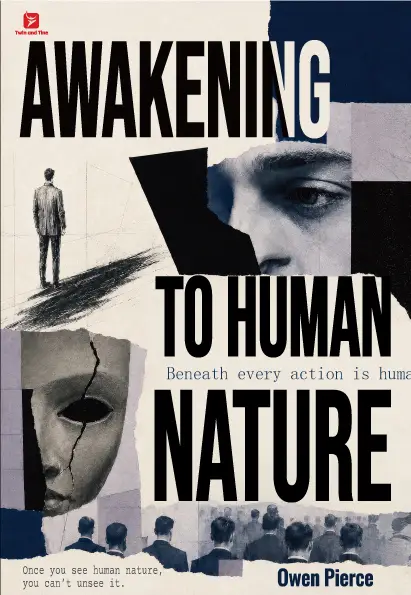
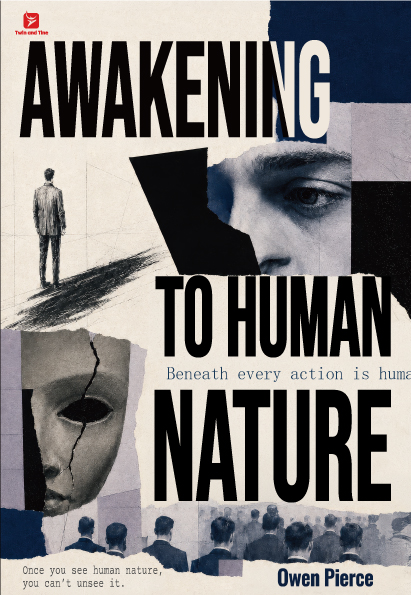
1. Awakening to Human Nature by Owen Pierce
Understand the hidden logic behind why people become guarded.
Pierce’s book strips away the politeness and reveals why people develop self-protective behaviors. It explains why some people are hyper-vigilant, why they deflect vulnerability, why they react to small triggers with outsized emotions, and why they keep others at a distance even when they want connection.
The book covers the hidden logic behind self-protection: why people isolate, why they over-explain, why they deflect praise, and why they assume others will let them down. It does not ask you to fix anyone. It asks you to understand them—and yourself.
For anyone who has ever wondered why some people seem so guarded and reactive.
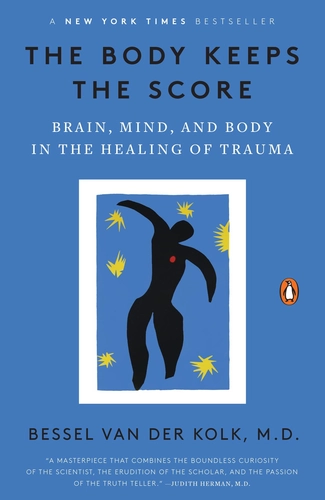
2. The Body Keeps the Score by Bessel van der Kolk
Why does a hard life get stored in the body?
Van der Kolk is a psychiatrist who spent decades studying trauma. His argument is simple and profound: trauma is not just in your mind. It lives in your nervous system.
That is why you cannot think your way out of hyper-vigilance or emotional reactivity. Your body learned to protect you long before you had words for it. The book explains why certain situations trigger intense reactions, why you feel frozen or disconnected, and what actually helps.
For anyone who wants to understand why their body reacts the way it does.
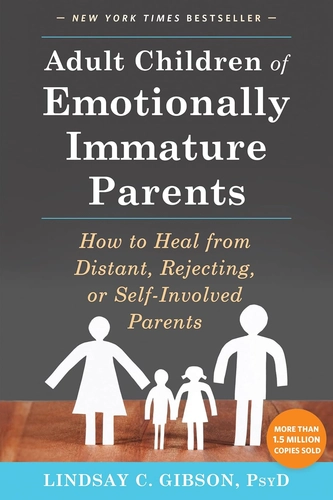
3. Adult Children of Emotionally Immature Parents by Lindsay C. Gibson
How do early environments shape who you become?
This book focuses on people who grew up in families where emotional safety was missing. It explains why some adults become overly responsible, struggle to trust, feel invisible, and keep repeating the same relationship patterns.
Gibson gives you a framework for understanding why certain behaviors feel so ingrained. They are not choices. They are adaptations to an environment that was not safe. Once you see the pattern, you can start to change it.
For anyone who wants to understand how childhood shaped the way they relate to people today.
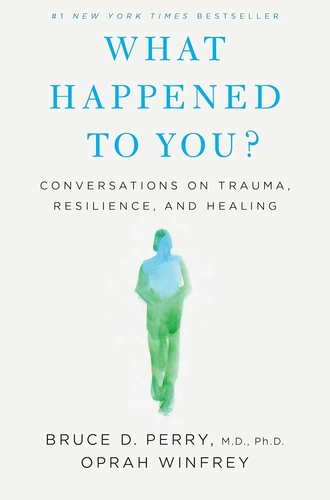
4. What Happened to You? by Oprah Winfrey and Bruce Perry
What if the question is not “what is wrong with you” but “what happened to you”?
This book changes the question you have been asking yourself. Instead of “why am I like this?” it asks “what happened to me?” Perry, a neuroscientist, explains how early experiences rewire the way you respond to stress, react to others, and see yourself.
Understanding your own history is the first step toward something different. This book meets you where you are and offers a way to see yourself differently.
For anyone who has spent their life wondering why they are so guarded.
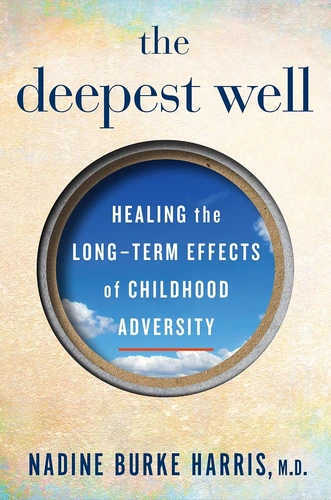
5. The Deepest Well by Nadine Burke Harris
How does childhood hardship affect lifelong health?
Burke Harris is a pediatrician who discovered that childhood adversity is one of the strongest predictors of long-term health. Not just mental health. Physical health. The stress response that kept you alive as a child wears down your body over time.
The book explains the science in a way that makes sense of the experience. Why some people carry so much tension. Why they seem to age faster. Why they get sick more often. It also covers what actually helps.
For anyone who wants to understand the long-term impact of a hard life.
These five books each offer a different lens. Pierce explains the behavioral patterns. Van der Kolk shows how trauma lives in the body. Gibson traces the patterns back to early environments. Winfrey and Perry change the question you ask. Burke Harris shows the health implications.
A hard life leaves marks. Not always visible. But always real.