Connect With People, Handle Hard Conversations, and Say What You Mean
You know what you want to say. But it comes out wrong. Too harsh. Too vague. Too passive. Or you say nothing at all and replay the moment for hours afterward.
It happens at work. It happens at home. It happens with the people who matter most.
Here is the truth. Communication is not a personality trait. It is a skill. And like any skill, it can be learned. The right words exist. You just need someone to show you what they are.
Quick answer: How do I become a better communicator?
You learn a few reliable scripts for everyday moments, focus on connecting instead of just talking, and practice saying hard things with honesty and kindness.
Here are three books that answer the question, what are the best books on communication. One teaches you how to connect with people, not just talk at them. One shows you how to communicate without blame, judgment, or conflict. One gives you practical scripts for the moments that matter.
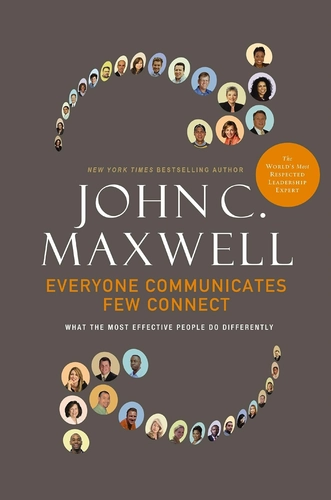
Everyone Communicates, Few Connect
What the most effective people do differently.
John C. Maxwell wrote this book for people who talk a lot but do not always connect. The most effective leaders know how to make people feel heard, comfortable, and understood. This book teaches you how to do that.
What makes this book different:
Maxwell’s focus is on connection, not just communication. You can speak clearly and still fail to reach anyone. This book shows you how to bridge that gap.
What you get:
- Five principles and five practices for building connection
- How to find common ground with anyone
- How to keep your communication simple
- How to capture people’s interest
- How to make people feel heard and understood
Best for: Anyone who wants to move from talking to connecting, especially in leadership or team settings.
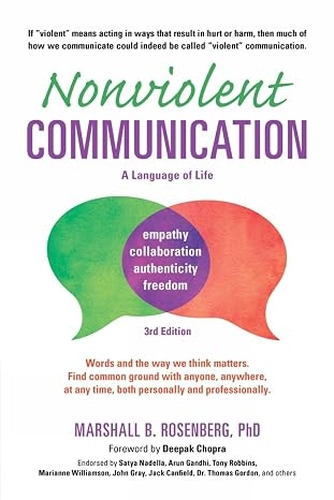
Nonviolent Communication
A language of life. Life-changing tools for healthy relationships.
Marshall B. Rosenberg wrote this book to answer one question. What if we could communicate without blame, judgment, or conflict?
What makes this book different:
Rosenberg calls most of our everyday communication “violent.” Judging, blaming, criticizing, name-calling, reacting in anger. Even if we do not mean harm, our words often create distance. This book offers a different way.
What you get:
| Component | What it means |
|---|---|
| Consciousness | Principles for living with compassion and authenticity |
| Language | Understanding how words create connection or distance |
| Communication | How to ask for what you want and hear others, even in disagreement |
| Means of influence | Sharing power with others, not using power over them |
Best for: Anyone who wants to reduce conflict, build empathy, and communicate in a way that respects everyone involved.
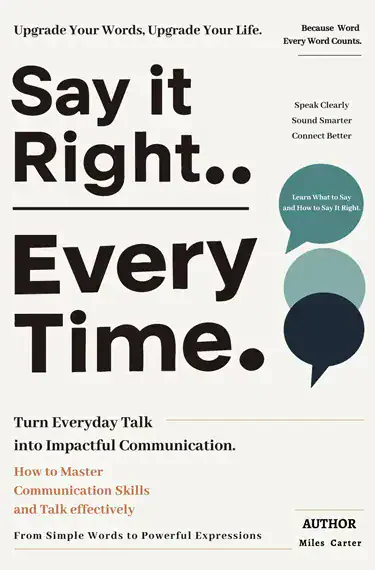
Say It Right Every Time
Practical tools for the moments that matter. Say what you mean, calmly.
This book by Miles Carter is built for the moments when words count. A job interview. A tough conversation with your boss. Telling a friend no without damaging the relationship. Giving feedback that actually helps.
What makes this book different:
Most communication books tell you to “be clear” or “listen more.” This one shows you exactly what to say. For every situation, Carter puts a weak version and a harsh version next to a more effective version. You see the difference side by side. No guessing.
What you get:
| What you learn | Why it matters |
|---|---|
| Scripts for boundaries, requests, conflict, interviews | You always know what to say |
| Side-by-side phrasing examples | You see what works and what backfires |
| Saying no without guilt | You protect your time without losing people |
| Expressing feelings without starting a fight | You stay honest and keep the peace |
| Speaking up without sounding aggressive | You get heard without creating enemies |
Best for: Anyone who knows what they mean but cannot get it out right.
Which Book Should You Read First?
If you want to connect with people, not just talk at them, start with Everyone Communicates, Few Connect. It shows you how to make people feel heard.
If you want to reduce conflict and communicate with more empathy, pick up Nonviolent Communication. It changes how you think about every conversation.
If you need scripts for real situations right now, go with Say It Right Every Time. It gives you exact words for specific moments.
Many people read all three. Each one offers something the others do not.
Final Thought
Communication is not about being clever or never making mistakes. It is about being understood. It is about saying what you mean without hurting people or hiding. It is about connecting.
You do not need to be a natural. You just need to be willing to learn. One small change in how you say something can change the whole conversation.
Start with one book. Try one technique. See what happens.
Frequently Asked Questions
What are the best books on communication for beginners?
Say It Right Every Time is the best starting point. It gives you practical scripts for everyday situations. No theory. Just words you can use.
Which book is best for workplace communication?
Everyone Communicates, Few Connect helps with leadership and team dynamics. Say It Right Every Time gives you scripts for interviews, feedback, and conflict.
What if I struggle with conflict and arguments?
Nonviolent Communication is written for exactly that. It teaches you to speak without blame and listen without defensiveness.
Do I need to read all three?
No. But they work well together. One gives you connection. One gives you empathy. One gives you scripts.

