Communication affects almost every part of daily life, but knowing that communication matters does not automatically make it easier. You can have a clear idea in your head and still struggle to explain it, or say something with good intentions only to have the other person interpret it differently. Communication skills involve much more than simply knowing what words to use.
A useful communication book can help you look at the different parts of an interaction, from expressing your thoughts and listening to other people to handling disagreement and choosing the right way to respond. The five books below approach communication from different angles, making them useful for readers who want to become clearer, more confident, and more effective in everyday conversations.
1. Say It Right Every Time by Miles Carter
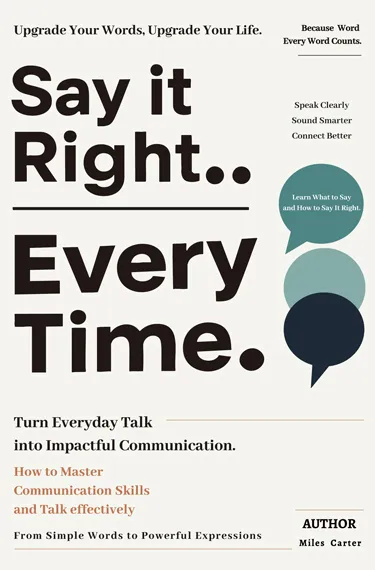
Say it Right..Every Time.
Miles CarterPractical communication tools for the moments that matter — say what you mean, calmly and confidently.
Best for: Readers who want to express their thoughts clearly and reduce everyday misunderstandings.
Say It Right Every Time by Miles Carter is a practical choice for readers who often know what they want to say but do not always get the result they expect from a conversation. Communication can go wrong even when your intention is good because the way a message is delivered can influence how the other person understands it.
The book focuses on the practical side of expressing yourself more effectively. It encourages readers to pay attention to how words, tone, timing, and context can affect a message instead of assuming that having the right idea is enough.
That perspective can be especially useful in everyday situations. A conversation with a partner, friend, colleague, or family member can quickly become confusing when people make assumptions, respond emotionally, or focus more on defending themselves than explaining what they actually mean.
Say It Right Every Time is a strong fit for readers who want to:
- Make their thoughts easier to understand
- Avoid unnecessary misunderstandings
- Become more intentional about the way they speak
- Handle everyday disagreements more constructively
- Express themselves with greater confidence
The book’s strength lies in its practical focus. Rather than treating communication as an abstract social skill, it encourages readers to think about what happens in real conversations and how small changes in the way they communicate can make a meaningful difference.
2. How to Talk to Anyone by Leil Lowndes
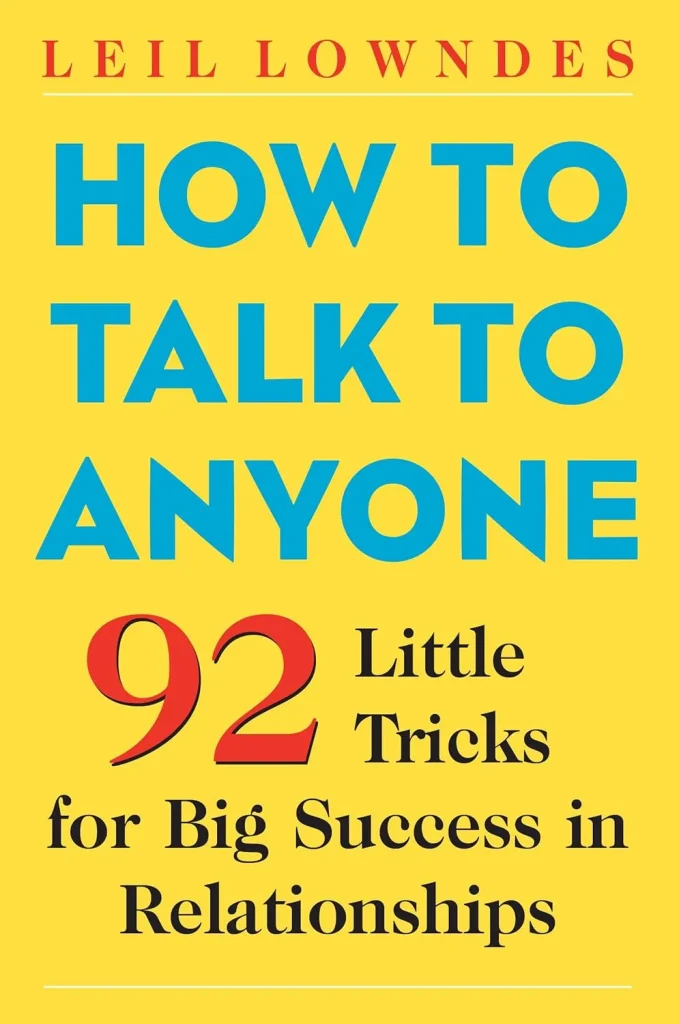
Best for: Readers who want to feel more comfortable starting conversations and interacting with different kinds of people.
Some communication difficulties happen before a meaningful conversation even begins. You may know how to explain yourself once you are comfortable, but feel awkward when meeting someone new, joining a group, or trying to keep a conversation going.
How to Talk to Anyone explores practical social techniques for interacting with other people more comfortably. It covers areas such as making conversation, creating rapport, and becoming more socially confident.
This makes it a useful companion to Say It Right Every Time because the two books emphasize different parts of communication. One focuses more strongly on the clarity of your message, while the other gives greater attention to social interaction and creating a comfortable connection with other people.
Readers who sometimes feel unsure about what to say in social situations may find this approach particularly useful.
3. Difficult Conversations by Douglas Stone, Bruce Patton, and Sheila Heen
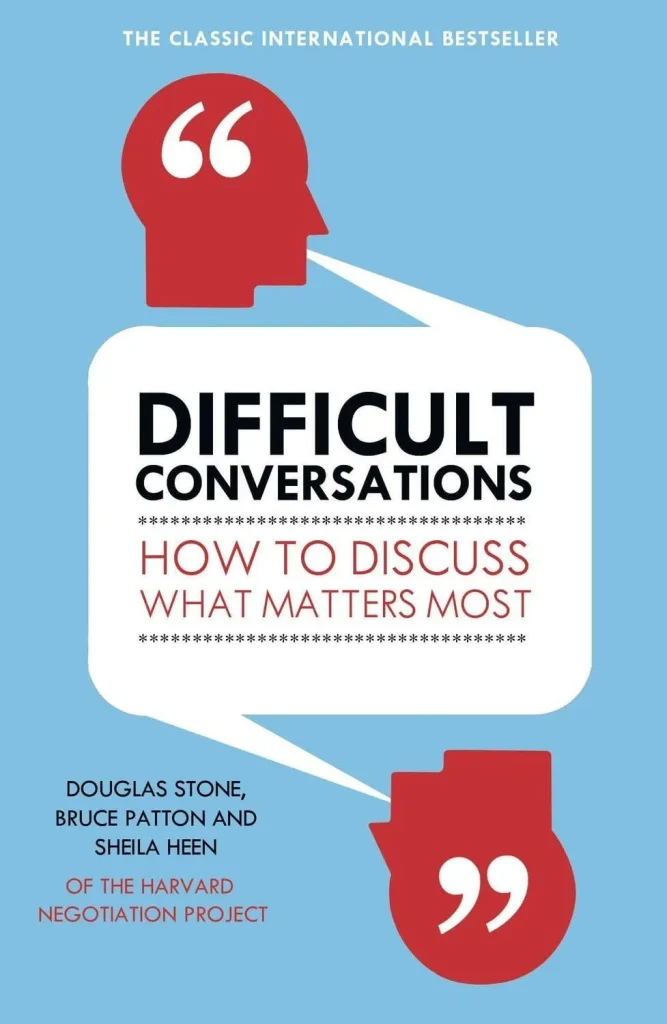
Best for: Readers who struggle when an important conversation becomes emotionally complicated.
Not every communication problem is about finding the perfect words. Sometimes the real difficulty is that both people are upset, defensive, disappointed, or convinced that their own interpretation of the situation is correct.
Difficult Conversations examines why emotionally charged conversations can become so challenging and how people can approach them differently. Its framework is especially relevant when the stakes are higher than in an ordinary conversation.
This can be valuable for readers who avoid certain topics because they are worried about conflict. Whether the issue involves a relationship, workplace tension, or a personal disagreement, difficult conversations require more than simply “speaking nicely.”
The book adds an important dimension to a communication reading list because it addresses what happens when emotions and competing perspectives make communication much harder.
4. Just Listen by Mark Goulston
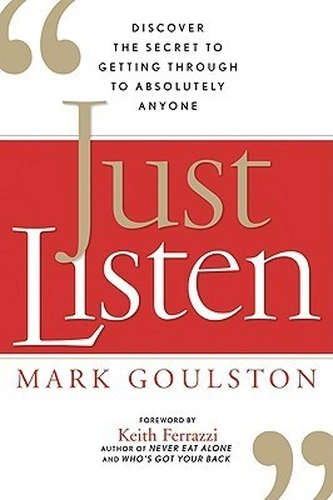
Best for: Readers who want to become better at getting through to people who are upset, resistant, or difficult to reach.
Communication is not only about expressing yourself. Your ability to listen and respond to what another person is actually feeling can have a major effect on the direction of a conversation.
Just Listen focuses on techniques for creating connection and helping people feel heard. This can be especially useful when someone is angry, frustrated, defensive, or unwilling to cooperate.
For readers who tend to focus on saying the right thing but sometimes overlook the other person’s emotional state, the book offers a helpful shift in perspective. Effective communication often requires understanding what is happening on the other side of the conversation before trying to get your own point across.
Together with Say It Right Every Time, it creates a more balanced view of communication: one emphasizes expressing your message effectively, while the other highlights the importance of reaching the person who is receiving it.
5. Nonviolent Communication by Marshall B. Rosenberg
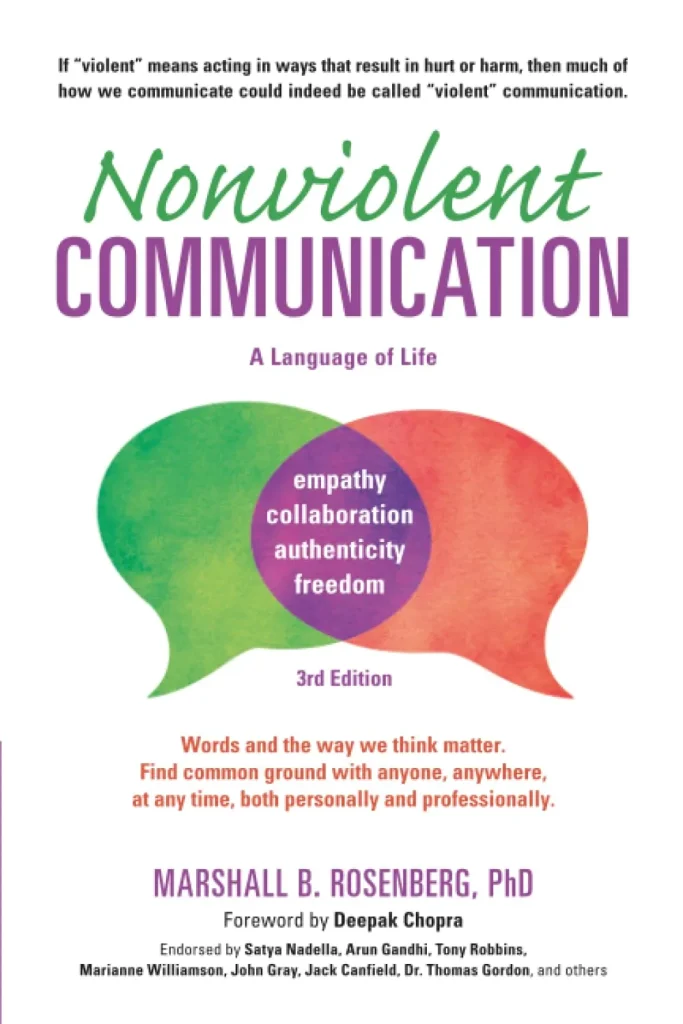
Best for: Readers who want a more thoughtful way to communicate feelings, needs, and disagreements.
Many communication problems happen because people express judgments before they explain what they actually need. A conversation can quickly become defensive when one person feels blamed, criticized, or misunderstood.
Nonviolent Communication presents a framework for expressing observations, feelings, needs, and requests in a more constructive way. Its approach can be especially relevant for readers who want to handle disagreements without automatically turning them into personal attacks.
The book is useful for thinking about communication at a deeper level. Instead of focusing only on what you want to say, it encourages readers to consider the needs and emotional experiences behind the conversation.
For people who want their communication skills to improve not only in casual conversations but also in emotionally important relationships, this perspective can be particularly valuable.
What Makes These 5 Communication Books Different?
These books cover different parts of communication, which is what makes the list useful rather than repetitive.
Say It Right Every Time focuses on expressing yourself clearly and communicating in a way that reduces unnecessary misunderstanding. How to Talk to Anyone is more focused on social interaction and becoming comfortable connecting with different people. Difficult Conversations looks at what happens when the subject is emotionally difficult or opinions strongly differ.
Just Listen places greater emphasis on listening and connecting with people who may be resistant or emotional, while Nonviolent Communication explores how to communicate feelings, needs, and requests in a more constructive way.
Together, they show that strong communication is not one single ability. It involves speaking clearly, listening carefully, understanding other people’s perspectives, managing emotions, and adjusting your approach depending on the situation.
Which Communication Book Should You Start With?
The best starting point depends on what you find most difficult.
If you regularly feel misunderstood or struggle to express your thoughts in the way you intended, Say It Right Every Time is a natural place to begin. Its focus is broad enough to apply to everyday conversations while remaining closely connected to the practical problem of communicating your meaning clearly.
If social situations make you uncomfortable, How to Talk to Anyone may be more useful. If you tend to avoid important conversations because you expect conflict, Difficult Conversations offers a more targeted perspective.
Readers who feel that they talk a lot but do not always connect with the other person may benefit from Just Listen, while those who want a more structured approach to communicating emotions and needs may prefer Nonviolent Communication.
You do not need to read all five books at once. Starting with the one that most closely matches your current communication challenge can make the reading more relevant and easier to put into practice.
Why Communication Skills Are Worth Developing
Better communication can make everyday interactions more straightforward, but its value goes beyond avoiding misunderstandings. The way you communicate can influence trust, cooperation, boundaries, relationships, teamwork, and the way other people understand your intentions.
Improving communication also involves becoming more aware of your own habits. You may discover that you interrupt when you are anxious, explain too much when you feel misunderstood, avoid saying what you really need, or become defensive when someone disagrees with you.
Once you start recognizing those patterns, communication becomes something you can actively improve rather than a fixed personality trait. Small changes in how you listen, explain, respond, and handle disagreement can gradually make conversations feel more productive.
Why Start With Say It Right Every Time?
Among these five books, Say It Right Every Time is a particularly practical starting point for readers who want to improve the way they communicate in everyday life. Before you can handle highly emotional conversations or develop more advanced social skills, it helps to become better at making your basic meaning clear.
The book is especially relevant when you often think, “That’s not what I meant,” or find yourself explaining the same point repeatedly. Learning to communicate more intentionally can reduce confusion and make it easier for other people to understand what you are actually trying to say.
Strong communication does not require having the perfect response in every situation. It starts with being able to express your thoughts clearly, understand how your message may be received, and recognize when a different approach is needed. For readers who want to build that foundation, Say It Right Every Time is a useful place to start.
Final Thoughts
The best communication books do not all teach the same thing. Some focus on speaking, some on listening, some on difficult conversations, and others on creating healthier ways to express needs and emotions.
The five books on this list give readers different tools for improving those areas. Among them, Say It Right Every Time offers a practical foundation for readers who want to communicate more clearly and avoid the misunderstandings that can make everyday conversations harder than they need to be.