I remember sitting in my car outside a coffee shop, gripping the steering wheel. I wanted to go in. I really did. But my hands wouldn’t let go. My heart was racing. I was convinced that if I walked in, everyone would stare at me. They’d notice I was alone. They’d judge me.
I sat there for fifteen minutes. Then I drove home.
That was social anxiety. Not shyness. Not being introverted. A real, physical fear of being seen and judged by others. If you’ve ever felt that way, you’re not alone. And what is social anxiety, really? Let’s break it down.
Quick Answer: What is social anxiety?
Social anxiety is an intense, persistent fear of being watched, judged, or embarrassed in social situations. It goes beyond normal nervousness and can interfere with daily life.
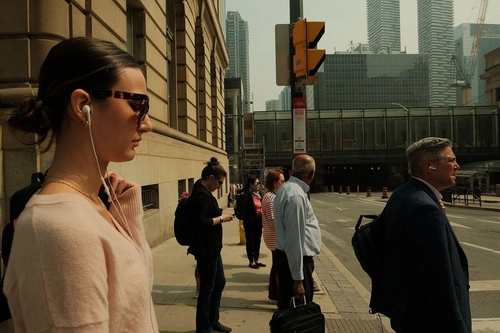
The Difference Between Shyness and Social Anxiety
A lot of people confuse social anxiety with shyness. They’re not the same.
Shyness is a personality trait. You might feel uncomfortable meeting new people, but you can usually push through it. Social anxiety is different. It’s intense. It’s persistent. And it often stops you from doing things you actually want to do.
When I was younger, I thought I was just shy. I thought I’d grow out of it. But I didn’t. Because shyness doesn’t make you drive home from a coffee shop. Social anxiety does.
What Social Anxiety Actually Feels Like
Social anxiety isn’t just being nervous before a presentation. It’s a constant fear that people are watching you, judging you, waiting for you to mess up.
A friend of mine once told me she rehearses every phone call before she makes it. She writes down what she’s going to say. She practices the tone. She’s not a performer. She’s just trying to make a dentist appointment.
That’s what social anxiety does. It turns everyday interactions into high-stakes performances. And that’s exhausting.
The Signs to Look For
Social anxiety shows up differently in different people. But some common signs include:
Emotional signs:
- Intense fear of being judged or rejected
- Worry about embarrassing yourself
- Avoidance of social situations
- Analyzing conversations after they happen
- Expecting the worst in social settings
Physical signs:
- Blushing or sweating
- Fast heartbeat
- Trembling
- Upset stomach or nausea
- Difficulty breathing
- Muscle tension
- Feeling like your mind has gone blank
These symptoms aren’t just “in your head.” They’re real physical reactions to a perceived threat. Your body is responding like you’re in danger—even when you’re just talking to someone.
When It Starts and Who It Affects
Social anxiety usually starts during childhood or adolescence. It often looks like extreme shyness or avoiding public situations. It’s more common in women than in men, and this difference is more noticeable in teenagers and young adults.
But it doesn’t mean you’re broken. It means your brain is wired to perceive social situations as threats. And that’s something you can work on.
How to Manage Social Anxiety
Start small. You don’t have to jump into a crowded room. Begin with something manageable. A brief conversation with a cashier. A quick phone call. Small steps build confidence.
Practice grounding. When you feel the anxiety rising, use your senses. Find five things you can see, four you can touch, three you can hear, two you can smell, and one you can taste. It pulls you out of your head and back into the moment.
Prepare, but don’t over-prepare. It’s okay to think about what you might say. But don’t rehearse every possible scenario. That just feeds the anxiety.
Challenge the fear. Ask yourself: what’s the worst that could happen? Then ask: what’s the most likely outcome? Usually, the worst case is unlikely. And even if it happens, you can handle it.
Seek support. Therapy can be incredibly helpful. Cognitive behavioral therapy (CBT) is one of the most effective treatments for social anxiety. A therapist can help you understand your fears and develop coping strategies.
When to Seek Help
If social anxiety is interfering with your work, relationships, or daily life, it’s worth talking to a professional. A doctor or therapist can help you figure out if you have social anxiety disorder and what treatments might work for you.
Therapy and medication can both be effective. And you don’t have to choose between them—they often work best together.

What I Want You to Know
I still get nervous sometimes. I still hesitate before walking into a room. I still feel that flutter in my chest when I have to talk to someone new.
But I don’t let it stop me anymore. I’ve learned that the fear is real, but it’s not always right. And I’ve learned that I’m stronger than I think.
If you’re struggling with social anxiety, I want you to know something. You’re not broken. You’re not weak. You’re just someone who feels things deeply. And that’s okay.
You can learn to manage it. One small step at a time.