No. 1 way is to keep one question in your head.
It is: what does this person want me to feel about them, and what do they want me to notice?
That’s the question that unlocks everything. It cuts through the noise. It bypasses the words and goes straight to the intention behind them.
Because everyone wears some kind of a mask. And once you learn to see past it, you start seeing people for who they really are.
Key Takeaways (At a Glance)
- Keep one question in your head: what does this person want me to feel about them, and what do they want me to notice?
- Everyone wears a mask. It’s built to conceal shame and discomfort.
- The mask is usually the opposite of what it’s concealing. Loud people may be hiding insecurity. Calm people may be hiding chaos.
- Reading people isn’t a superpower. It’s a skill built through observation, pattern recognition, and understanding how people think.

Keep One Question in Your Head
The fastest way to read a human being is to keep one question in your head: what does this person want me to feel about them, and what do they want me to notice?
This question cuts through the surface. It helps you see past the performance and into the intention. When someone is loud and aggressive, ask yourself: what are they trying to make me feel? Threatened? Intimidated? Small? And what do they want me to notice? Their strength? Their confidence? Their power?
When someone is charming and warm, ask yourself: what are they trying to make me feel? Safe? Special? Flattered? And what do they want me to notice? Their charisma? Their kindness? Their trustworthiness?
The answer to these questions will show you the beginning of understanding the mask people wear.
Everyone Wears a Mask
The mask is made up of the things that this person built to conceal shame. Shame creates cognitive dissonance — a mental discomfort. Mental discomfort says: I don’t want to be this uncomfortable in front of people. That creates a mask.
People will do anything to avoid feeling shame. They’ll construct elaborate personas. They’ll talk louder, act tougher, appear more confident. They’ll pretend to be someone they’re not — because being themselves feels too exposed.
I’ve seen this in a man who was always the loudest in the room. He talked over people, made jokes, dominated conversations. It took a while to see it — but his mask was hiding deep insecurity. He was terrified of being seen as small. So he acted big. The louder he got, the more I understood what he was hiding.
The Mask Usually Conceals the Opposite
If I’m seeing somebody who’s posturing all the time or yelling, the mask is usually the opposite of what it’s concealing.
Think about it. Someone who’s always talking about how confident they are — probably insecure. Someone who’s always bragging about their success — probably afraid of failure. Someone who’s always pointing out other people’s flaws — probably ashamed of their own.
A friend of mine used to always post about how amazing her relationship was. Perfect photos. Perfect captions. Perfect life. It looked ideal from the outside. But the mask was hiding a crumbling marriage. The more she posted about how great things were, the more I realized how much she was trying to convince herself.
The mask isn’t always obvious. But once you start looking, you see it everywhere.
Reading People Is a Skill
Most people think reading people is a superpower. The truth is, it isn’t. It’s a skill built through careful observation, recognizing patterns, remembering details, and understanding how people think.
Observation is the foundation. You have to actually pay attention. Not just to what people say, but to how they say it. Not just to what they show, but to what they hide. Not just to the mask, but to the cracks.
Pattern recognition comes next. You start to see that people who act one way often have the same underlying fears. You learn to predict behavior. You start to understand the architecture of the mask.
Memory helps you connect the dots. You remember what someone said three months ago and compare it to what they’re saying now. You catch inconsistencies. You see the gaps.
And understanding how people think — that’s the deepest level. It’s not just about observation. It’s about empathy. It’s about understanding that behind every mask, there’s a person trying to protect themselves.

The One Book That Can Help You Master This
If you want to strengthen these abilities and learn how to read people more effectively, How to Read Someone’s Mind by Miles Carter is the book you need. It teaches you how to understand body language, facial expressions, eye contact, gestures, and other nonverbal signals — so you can respond with clarity and confidence in any situation.
It’s not a superpower. It’s a skill. And it’s one you can learn.
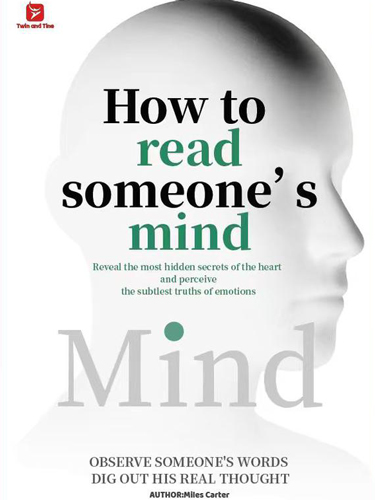
How to Read Someone’s Mind
Miles CarterPractical tools for reading body language, tone, and hidden intentions in real time. Spot what people aren’t saying — before you trust the wrong person.
FAQ
Q: What is the fastest way to read a human being?
A: Keep one question in your head: what does this person want me to feel about them, and what do they want me to notice? That question reveals the mask.
Q: Why does everyone wear a mask?
A: People build masks to conceal shame. Shame creates mental discomfort, and people will do almost anything to avoid feeling that discomfort in front of others.
Q: What does the mask usually hide?
A: The mask is often the opposite of what it conceals. A loud person may be hiding insecurity. A calm person may be hiding chaos. A charming person may be hiding manipulation.
Q: Is reading people a natural talent or a learned skill?
A: It’s a skill. It can be learned through careful observation, pattern recognition, and understanding how people think. Anyone can get better at it.
Q: How can I practice reading people?
A: Start with one question. Notice people’s masks. Look for the opposite of what they’re showing. Pay attention to patterns. Over time, you’ll start to see more clearly.
