Someone just said, “I love you.”
Your heart drops. Your mind goes blank. You don’t feel the same way, but you don’t want to hurt them. You don’t want to ruin the friendship. You don’t want to say the wrong thing.
So you freeze. And the silence stretches.
This is one of the most uncomfortable moments you can face. And it happens more often than people admit. Maybe it’s a friend who developed feelings. Maybe it’s someone you’ve been dating who’s more into it than you are. Maybe it’s someone who misread the signs.
Here’s the truth. You’re not a bad person for not loving them back. Love isn’t something you can force. But how you respond matters. You can be honest without being cruel. You can be kind without leading them on.
Here’s what to answer when somebody tells you they love you but you don’t love them.
Say it Right..Every Time.
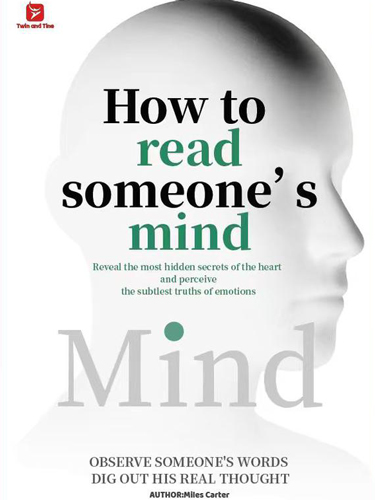
Miles CarterPractical communication tools for the moments that matter — say what you mean, calmly and confidently.
Key Takeaways (At a Glance)
- Start with gratitude. Acknowledge their courage and the vulnerability they showed.
- Be honest but gentle. “I care about you, but I don’t feel the same way” is direct and kind.
- Don’t say “maybe someday.” That’s not kindness — it’s false hope.
- Avoid joking or deflecting. Humor might seem like an escape, but it dismisses their feelings.
- Give them space. They might need time to process. Respect that.

The Problem With Joking or Deflecting
When people don’t know how to respond, they sometimes use humor. They might say something like:
- “I love you too, and I love throwing dead bugs at children.”
- “I heard you the first time.”
- “You can’t because we are related.”
In a video, those are punchlines. They get laughs. In real life, they’re hurtful. They minimize something that took real courage to say. They make the other person feel foolish or dismissed.
You don’t have to say “I love you” back. But you do have to take their confession seriously.
The Script That Works
Here’s a response that is honest, kind, and clear:
“I really appreciate you telling me that. It takes a lot of courage to say. I care about you, but I don’t feel the same way. I’m sorry if that’s not what you wanted to hear. I hope you’re okay.”
Let’s break down why this works.
- “I really appreciate you telling me that.” You’re acknowledging their vulnerability. You’re not brushing it off.
- “It takes a lot of courage to say.” You’re validating their bravery. This is a hard thing to say. You see that.
- “I care about you.” You’re showing that this isn’t about them being unlovable. You’re not rejecting them as a person. You’re just not feeling the romantic connection.
- “But I don’t feel the same way.” This is the hard part. But it’s necessary. You’re being clear. No false hope. No “maybe later.”
- “I’m sorry if that’s not what you wanted to hear.” You’re not apologizing for your feelings. You’re just acknowledging that this is a disappointing answer.
- “I hope you’re okay.” You’re showing that you still care about their well-being.
Why You Shouldn’t Say “Maybe Someday”
When someone says “I love you,” you might feel tempted to soften the blow with something like:
“I just need more time.”
“Maybe someday.”
“Let’s see what happens.”
These feel kinder in the moment. They feel like you’re letting them down easy. But they’re actually more cruel than the truth.
“Maybe someday” gives false hope. They’ll wait. They’ll wonder. They’ll hope you change your mind. And that will hurt much more in the long run than a clear “no.”
The kind thing isn’t letting them down easy. The kind thing is letting them down clearly.
What Not to Say
Here are some responses to avoid:
- “I love you too.” Only if you mean it. If you don’t, this is cruel.
- “I don’t know what to say.” This puts the burden back on them. Now they feel like they made you uncomfortable.
- “Are you sure?” This sounds like you’re questioning their feelings. That’s dismissive.
- “Why?” This makes them feel like they need to prove their love. That’s not fair.
- “I’m not ready.” This sounds like there’s a chance later. It usually means “no.” Be direct.
- “You’re a great person, but…” If you start a sentence with a compliment and end with a rejection, the “but” erases the compliment. Skip the “but.” Just say what you need to say.
What If You Want to Stay Friends?
Maybe you value the friendship. Maybe you want to keep them in your life. That’s understandable.
But you need to give them time. They just poured their heart out. They need time to process the rejection before they can think about being “just friends.”
You can say something like:
“I really value you as a person and I hope we can stay in each other’s lives. But I understand if you need space to process this. I’ll follow your lead.”
You’re leaving the door open. But you’re not expecting them to walk through it immediately. You’re giving them control over what happens next.

A Real Example
A woman told a friend of mine that she had feelings for him. He didn’t feel the same way. He said: “I really appreciate you telling me that. I know it wasn’t easy. I care about you a lot, but I don’t feel the same way. I’m sorry.”
She was hurt, but she thanked him for being honest. They took a few weeks of space. Eventually, they rebuilt the friendship. It’s not the same, but it survived. Because he was kind without being dishonest.
Why Honesty Is the Kindest Thing
The temptation is to avoid the hard truth. You don’t want to hurt them. You don’t want to ruin the relationship. You don’t want to be the bad guy.
But the hard truth is the only kind thing you can offer. Leading them on would be worse. Giving them false hope would be worse. Ghosting them would be worse.
Honesty is respect. You’re acknowledging that they deserve to know the truth. You’re not treating them like they can’t handle it. You’re treating them like an adult.
FAQ
Q: What to answer when somebody tells you they love you but you don’t love them?
A: Start with gratitude, then be clear and gentle: “I really appreciate you telling me that. I care about you, but I don’t feel the same way.” Don’t offer false hope or “maybe someday.” Give them space to process.
Q: Should I apologize for not loving them back?
A: Apologize for the situation, not for your feelings. “I’m sorry this isn’t what you wanted to hear” is fine. “I’m sorry I don’t love you” is not necessary.
Q: Can I stay friends with them?
A: Possibly, but not immediately. They need time to process the rejection. Give them space. Let them come to you when they’re ready.
Q: What if they ask why I don’t love them?
A: You don’t owe them a long explanation. You can say: “I don’t know why. It just isn’t there for me. I’m sorry.” That’s enough.
Q: What if they get angry or upset?
A: That’s a natural reaction. Don’t argue. Don’t defend yourself. Just repeat your position kindly and give them space. Their emotions are theirs to manage.