I remember the first time I realized my daughter couldn’t just turn off her anger like a light switch. She was seven, fists clenched, face blotchy red after I’d said no to a second popsicle. I stood there, exasperated, and said, “Lose the attitude, right now.” Nothing changed. She only got louder. I felt my own temper flare because, seriously, why couldn’t she just calm down? It took me years to understand that what I was asking for wasn’t just unrealistic. It was damaging. When a child cannot calm down after anger and a parent demands immediate peace, the message sneaks in deep: your feelings aren’t allowed. That realization hit me like a wave, and it changed everything about how I handle big emotions in my house.
Quick Ways to Help When Your Child Can’t Calm Down
If you’re in the middle of a meltdown right now, start here:
- Stop expecting an instant calm. Emotions don’t work on a timer.
- Lower your own voice first. Yelling tells their nervous system danger is still here.
- Name the feeling calmly: “You are really, really angry right now.”
- Give space. Sometimes the only thing you can do is stay nearby without talking.
- Teach a simple breathing game later, not in the heat of the moment.
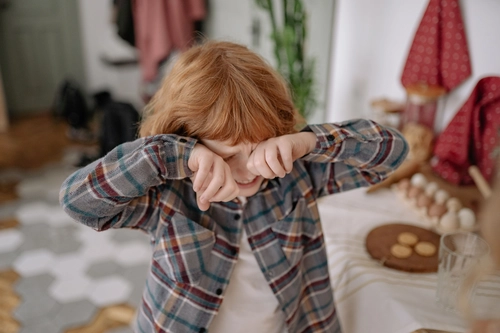
Why Does My Child Get So Stuck in Anger and Cannot Calm Down?
I used to think if I could just reason with her, the anger would fade. But a child’s brain in full rage mode doesn’t process logic. The prefrontal cortex, the part that handles reasoning, goes offline. The amygdala, the alarm system, takes over. Asking a kid to “calm down now” is like telling a smoke alarm to stop beeping while the house is still on fire. They literally cannot snap out of it.
The real damage happens when we treat anger like a bad behavior that must be eliminated immediately. I’ve seen it in my friend’s house. Her mom would scream, “Fix your face!” the second she showed any frustration. That girl grew up believing anger was a personal failure. Now, at thirty, she still apologizes for feeling upset. Expecting your child to immediately not be angry is damaging your child, as you may already sense. It wires them to think they have to hide their real feelings to be loved. They learn that the quickest way to safety is to shove everything down, and that doesn’t end well. Not for them, not for you.
What Can You Actually Do When Your Child Cannot Calm Down After Anger?
First thing I do now is nothing. I pause. I breathe. I remind myself she’s not giving me a hard time, she’s having a hard time. That shift alone lowers the temperature in the room. Then I get down to her level. I don’t touch unless she’s open to it. I just say, “I see you’re furious. That is such a big feeling.” And I wait.
One approach that transformed our home is what I call the 3-Minute Rule. I silently count down 180 seconds in my head. During that window, I don’t demand eye contact, I don’t offer solutions, I don’t ask questions. I simply stay. After those three minutes, nine times out of ten, the storm starts to break. She’ll flop onto the couch or give a wet, snotty sniffle. That’s my cue to ask, “Want to tell me about it now or need more time?” The choice puts the power back in her hands. It reminds her that her anger is welcome here, even the messy parts.
If your child is angry and you tell them to “lose the attitude” and get mad that they don’t immediately be happy, you might get silence, but you’ll never get trust. Real calm comes from processing, not from pretending.
A Simple Practice That Works
We came up with something called the Reset Minute. It’s not a time-out. It’s the opposite. When my child cannot calm down after anger, I say, “Looks like your brain is on fire. Want a Reset Minute with me?” She sometimes nods, sometimes yells no. If yes, we go to a corner with some pillows, and I set my phone timer for 60 seconds. For that minute, she can do anything safe: punch the pillow, growl, cry, or just sit stewing. I sit beside her and breathe out loud, slow and silly. I don’t talk. I don’t coach. I just model what a body looks like when it’s coming back to center.
This minute gives her what punishment and lectures never could: a safe container for the intensity. The anger passes because it’s allowed to exist. Some families also use a “calm-down basket” with squeeze toys or a favorite book. The point is, you’re teaching an emotional coping skill, not demanding an emotional shutdown. As one wise parent once said, all emotions are okay, even the big ugly ones. It’s what we do with them that needs guidance.

Small Shifts by Age
Toddlers (2-3): When they can’t calm down, words fail. Pick them up if they’ll allow it and hum against their back. The vibration soothes faster than any shushing. Say, “You’re safe. I’ve got you.”
Early elementary (4-7): Use emotion cards. Without talking, they can point to “angry,” “frustrated,” or “unfair.” It gives them language when their brain feels offline.
Older kids (8-12): Pass them a notebook and pen. “Write it down ugly. No one will read it.” The act of scribbling messy words can release the pressure.
What If They Shout “Leave Me Alone!”?
I’ve learned that “leave me alone” often means “I’m afraid of what I might say when I’m this mad.” In those moments, I step back but leave a thin bridge. “I’ll be in the kitchen. Come find me when you’re ready for a hug or just a snack.” That tiny offer tells them the door is still open. It doesn’t guilt them into calm. And later, when they do wander in, red-eyed, I never say “finally” or “wasn’t that silly.” I just hand them a plate of apple slices and say nothing. That silence heals more than any pep talk ever will.
FAQ: When Your Child Cannot Calm Down After Anger
Q: Why can’t my child just calm down when I tell them to?
A: When a child is in full rage mode, the thinking part of their brain goes offline. The alarm system takes over. Asking them to calm down is like telling a smoke alarm to stop while the house is still on fire. They literally cannot snap out of it.
Q: What should I do in the middle of a meltdown?
A: Pause. Breathe. Remind yourself: they’re not giving you a hard time, they’re having a hard time. Get down to their level, name the feeling, and wait. Don’t demand eye contact, don’t offer solutions, don’t ask questions. Just stay present.
Q: How long should I wait before trying to talk?
A: Try the 3-Minute Rule. Silently count down 180 seconds. Don’t talk. Don’t coach. Just stay. After those three minutes, the storm often starts to break. Then ask, “Want to tell me about it now or need more time?”
Q: Is it okay to give my child space when they’re angry?
A: Yes. Sometimes the best thing you can do is stay nearby without talking. If they shout “leave me alone,” step back but leave a bridge: “I’ll be in the kitchen. Come find me when you’re ready.” The door stays open.
Q: How do I teach my child to calm down on their own?
A: Teach regulation skills when they’re already calm, not in the heat of the moment. Practice breathing games. Use a “calm-down basket” with sensory objects. Model your own regulation out loud: “I’m feeling frustrated. I’m going to take a breath.” They learn by watching you.
One Last Thing
That day with the popsicle, I didn’t get it right. I huffed and turned away. But years later, my daughter told me, “Remember when you used to sit with me until I wasn’t mad anymore? That helped.” She remembered my later attempts, not my earlier failures. Your child will, too. They’ll remember that you chose connection over control. That you gave them time when their whole body screamed. That you let them be angry, so they could learn to be calm.
References
- Siegel, D. J., & Bryson, T. P. (2011). The Whole-Brain Child: 12 Revolutionary Strategies to Nurture Your Child’s Developing Mind. Bantam.
- American Academy of Pediatrics. (2018). How to shape and manage your young child’s behavior. HealthyChildren.org. Retrieved from https://www.healthychildren.org
- Markham, L. (2015). Peaceful Parent, Happy Kids: How to Stop Yelling and Start Connecting. TarcherPerigee.
