Some conversations feel harder than others.
You may know that something needs to be said, but you keep waiting for the “right time.”
Maybe you avoid:
- Telling someone how you really feel
- Setting clear boundaries
- Addressing problems in relationships
- Sharing your needs directly
Avoiding difficult conversations may feel easier in the moment, but unspoken thoughts and emotions can create more stress over time.
Healthy communication is not about winning an argument.
It is about expressing yourself honestly while respecting the other person.
The right books can help you develop the confidence and skills needed for more meaningful conversations.
Say It Right Every Time by Miles Carter
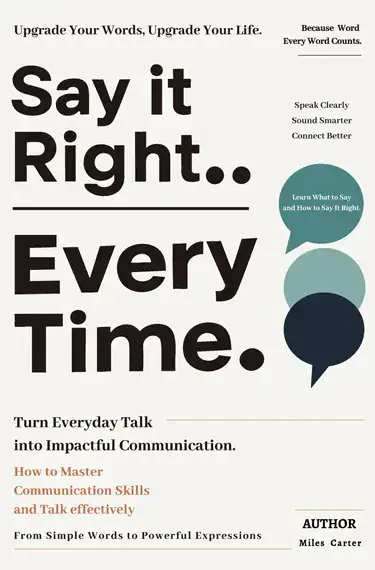
Say It Right Every Time by Miles Carter helps readers understand how to communicate clearly, especially when conversations involve emotions, misunderstandings, or important topics.
The book focuses on the idea that effective communication requires more than simply speaking.
It involves:
- Understanding what you want to communicate
- Choosing words carefully
- Expressing emotions in a healthy way
- Creating conversations based on respect
For people who often stay quiet because they worry about conflict or rejection, this book provides guidance on becoming a more confident communicator.
Difficult Conversations by Douglas Stone, Bruce Patton, and Sheila Heen
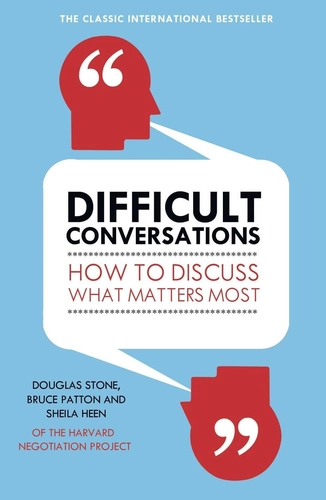
Difficult Conversations by Douglas Stone, Bruce Patton, and Sheila Heen explores how to handle conversations that involve disagreement, emotions, and sensitive topics.
The book helps readers understand why certain conversations feel challenging and provides strategies for approaching them more effectively.
Readers can learn how to:
- Prepare for important discussions
- Express concerns clearly
- Manage emotional reactions
- Find solutions during disagreements
It is especially useful for people who want to communicate honestly without damaging relationships.
Why People Avoid Difficult Conversations
Many people avoid uncomfortable conversations because they worry about:
- Creating conflict
- Hurting someone’s feelings
- Being misunderstood
- Receiving a negative reaction
However, avoiding communication does not always remove the problem.
Sometimes, honest conversations can create better understanding and stronger relationships.
Recognize What You Are Avoiding
Before starting a difficult conversation, ask yourself:
- What am I afraid will happen?
- What do I actually want the other person to understand?
- What outcome would create a healthier relationship?
Understanding your concerns can make conversations feel less overwhelming.
Express Your Needs Without Blame
Difficult conversations become easier when the focus is on sharing your perspective instead of attacking someone else.
Using clear and respectful language can help both sides feel heard.
Learn to Stay Calm During Emotional Moments
Strong emotions can make communication harder.
Learning to pause, listen, and respond thoughtfully can help prevent conversations from becoming unnecessary conflicts.
Who Should Read These Books?
These books may be helpful for people who:
- Avoid conversations because they fear conflict
- Struggle to express their needs
- Want healthier relationships
- Feel uncomfortable discussing emotions
- Want to become more confident communicators
Final Thoughts
Avoiding difficult conversations may protect you from discomfort temporarily, but honest communication can help build stronger connections.
Books like Say It Right Every Time by Miles Carter and Difficult Conversations by Douglas Stone, Bruce Patton, and Sheila Heen can help readers approach challenging discussions with more clarity, confidence, and understanding.
The goal of communication is not to avoid every difficult moment.
It is to learn how to handle those moments in a healthier way.