Sometimes children’s behavior can feel confusing.
A child refuses to cooperate.
A toddler suddenly has a meltdown.
A child becomes quiet, frustrated, or emotional without explaining why.
Many parents naturally focus on the behavior itself:
“How do I stop this?”
But understanding what happens underneath the behavior can lead to better solutions.
Children often communicate through their actions before they have the words to explain their feelings.
The right parenting books can help parents look beyond behavior and understand the emotions, needs, and experiences behind it.
The Parent You Aspire to Be by Miles Carter
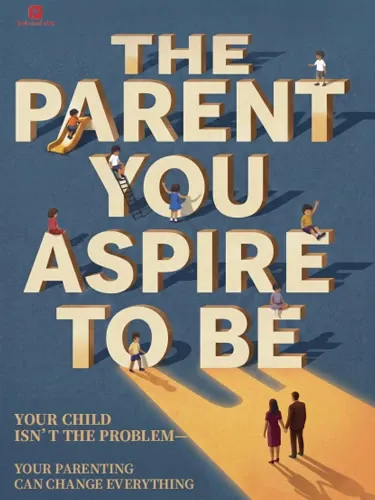
The Parent You Aspire to Be encourages parents to see their children with more curiosity and understanding.
The book focuses on the idea that behavior is often a form of communication.
Instead of asking only:
“How can I change this behavior?”
Parents are encouraged to ask:
“What is my child trying to tell me?”
The book helps parents develop a deeper understanding of:
- Children’s emotional needs
- Parent reactions
- Relationship patterns
- Everyday moments of connection
It supports parents who want to respond with more awareness instead of simply reacting to challenging behaviors.
For parents who want to build trust and understand their children on a deeper level, this book offers valuable perspective.
The Whole-Brain Child by Daniel J. Siegel and Tina Payne Bryson
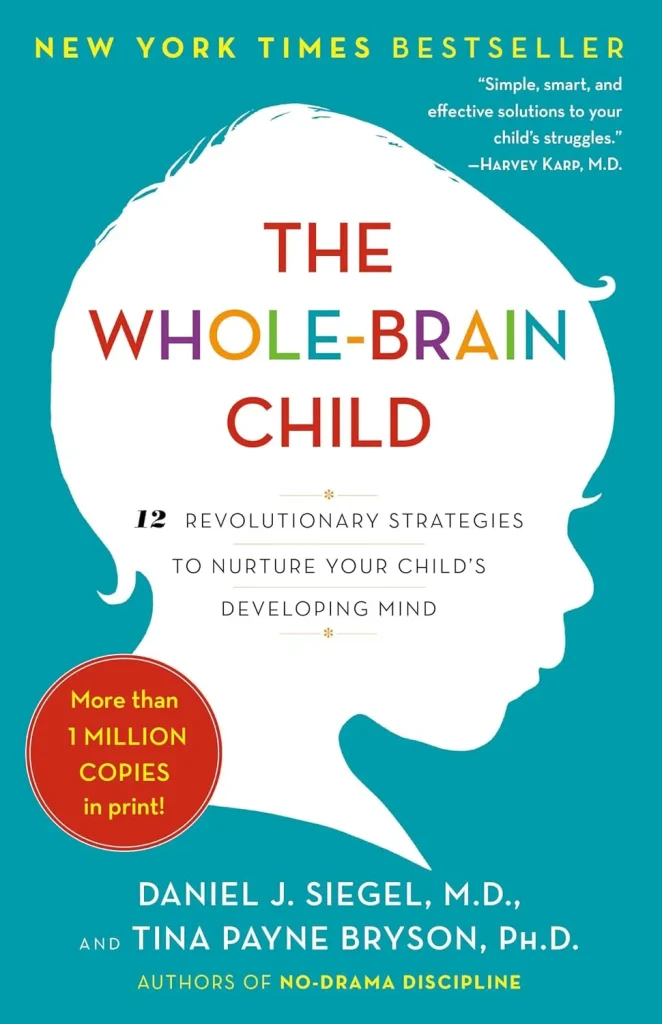
The Whole-Brain Child by Daniel J. Siegel and Tina Payne Bryson explains how children’s developing brains influence emotions and behavior.
The book helps parents understand why children may struggle with:
- Emotional outbursts
- Impulsive reactions
- Big feelings
- Difficulty expressing themselves
It introduces practical strategies that help parents support children’s emotional development.
Rather than viewing difficult moments as bad behavior, the book shows parents how these moments can become opportunities for connection and learning.
Why Understanding Behavior Matters in Parenting
Children do not always have the ability to explain what they need.
A behavior that looks challenging may be connected to:
- Feeling overwhelmed
- Wanting attention
- Needing reassurance
- Struggling with emotions
- Learning new skills
When parents understand the reason behind behavior, they can respond more effectively.
How Parents Can Look Beyond Behavior
Observe Before Reacting
Before correcting a behavior, try to notice:
- When does it happen?
- What happened before it?
- What might your child be feeling?
Observation can reveal patterns that are easy to miss.
Separate the Child From the Behavior
A difficult moment does not define a child.
Instead of thinking:
“My child is being difficult.”
Try asking:
“My child is having a difficult moment.”
This small change can influence how parents respond.
Teach Instead of Punish
Children are still learning emotional and social skills.
Guidance helps them understand what to do differently next time.
Who Should Read These Books?
These books may be helpful for parents who:
- Feel confused by their child’s reactions
- Want to understand emotional outbursts
- Are looking for child psychology insights
- Want to improve communication with their child
- Prefer connection-based parenting approaches
Final Thoughts
Understanding a child’s behavior is one of the most important parts of building a strong relationship.
Children are not always able to explain what they need, but their actions often communicate something important.
Books like The Parent You Aspire to Be and The Whole-Brain Child can help parents see beyond behavior, understand emotions, and create deeper connections with their children.
The more parents understand their children, the easier it becomes to guide them with patience and empathy.