The best thing to say in a difficult conversation is usually not the perfect sentence – it is a response that keeps the conversation open while clearly expressing your thoughts, needs, or boundaries.
When emotions are high, many people fall into one of two patterns: they say something too harsh and regret it later, or they avoid saying anything and leave the issue unresolved. A better approach is to slow down, understand what you want to communicate, and choose words that are honest without creating unnecessary damage.

In difficult conversations, effective communication often includes three things:
- Acknowledge the situation without immediately attacking or defending. Starting with understanding can lower tension and make the other person more willing to listen.
- Express your perspective clearly instead of blaming. Saying “I feel…” or “I need…” creates space for discussion rather than turning the conversation into a competition.
- Set boundaries while staying respectful. You can disagree, say no, or address hurtful behavior without becoming aggressive.
Knowing what to say takes practice. The following books can help you develop better communication habits and learn how to handle challenging conversations with more confidence.
1. Difficult Conversations: How to Discuss What Matters Most by Douglas Stone, Bruce Patton, and Sheila Heen
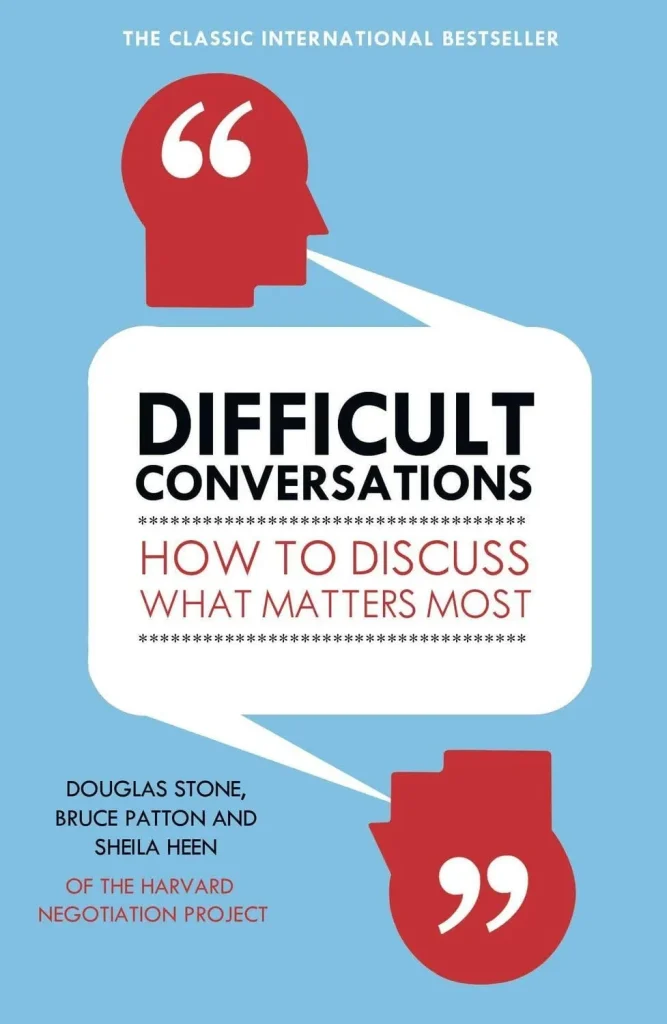
Difficult conversations often feel impossible because people focus only on the surface problem. A disagreement about work, money, relationships, or expectations may actually involve deeper feelings about being ignored, misunderstood, or disrespected.
Difficult Conversations helps readers understand why these discussions become emotionally complicated and how to approach them more productively.
One of the key ideas in the book is learning to separate facts from personal interpretations. Instead of immediately assuming someone’s intention, readers learn to explore different perspectives and communicate in a way that encourages understanding.
This book is especially useful for anyone who needs to discuss sensitive topics without damaging important relationships.
2. Say It Right Every Time by Miles Carter
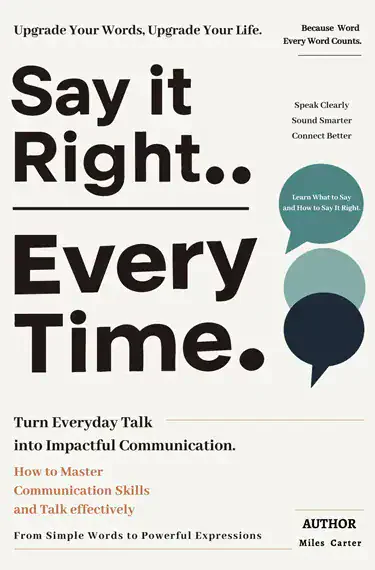
Many people know they should communicate better, but the hardest part is knowing the actual words to use in the moment.
You may want to disagree with someone but do not want to sound disrespectful. You may need to respond to criticism but do not want the conversation to become an argument. You may want to set a boundary but worry about hurting someone’s feelings.
Say It Right Every Time focuses on these everyday communication challenges by showing readers how to turn emotional reactions into mature expressions.
The book includes more than 115 practical examples and 15 communication frameworks that cover situations such as:
- How to express disagreement without creating distance
- How to respond when someone criticizes or challenges you
- How to set boundaries without sounding rude
- How to handle emotional reactions during conflict
- How to communicate professionally under pressure
Instead of only explaining communication theories, this book provides specific phrases people can use in real conversations. It helps readers understand not only what to say, but why certain expressions create better outcomes.

Say it Right..Every Time.
Miles CarterPractical communication tools for the moments that matter — say what you mean, calmly and confidently.
3. Crucial Conversations: Tools for Talking When Stakes Are High by Kerry Patterson, Joseph Grenny, Ron McMillan, and Al Switzler
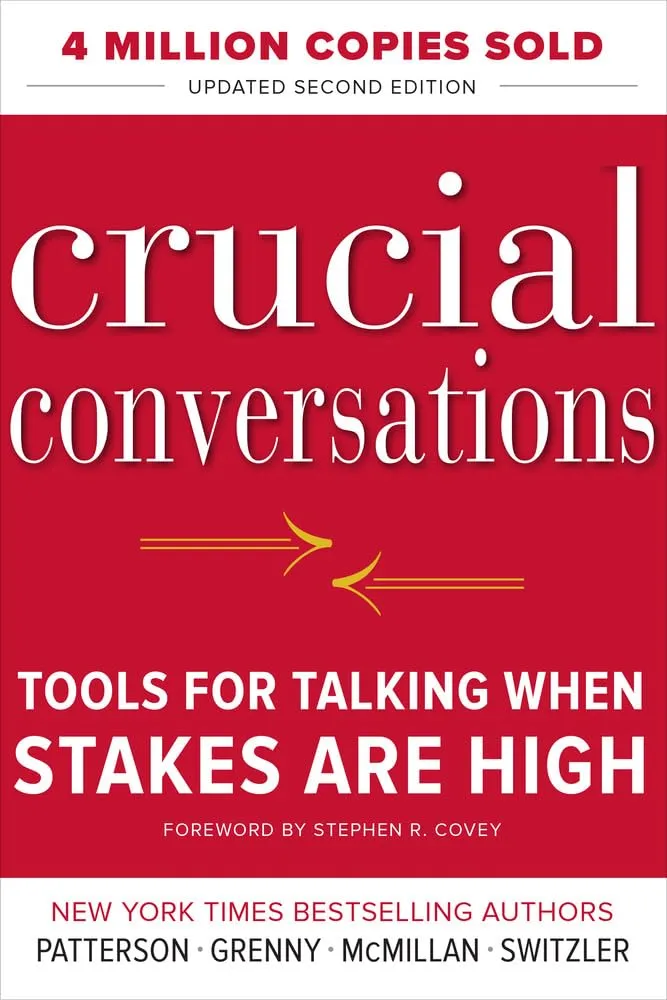
Some conversations become difficult because the topic matters. When emotions, opinions, or relationships are involved, even a simple discussion can quickly become tense.
Crucial Conversations teaches readers how to communicate effectively when the stakes are high. The book focuses on maintaining dialogue even when people disagree strongly or emotions begin to rise.
A major lesson is that people often stop communicating when they no longer feel safe or respected. By learning how to create a more open environment, readers can express their opinions while keeping the conversation productive.
This book is valuable for workplace discussions, relationship conflicts, and any situation where avoiding the conversation is no longer an option.
4. Nonviolent Communication: A Language of Life by Marshall Rosenberg
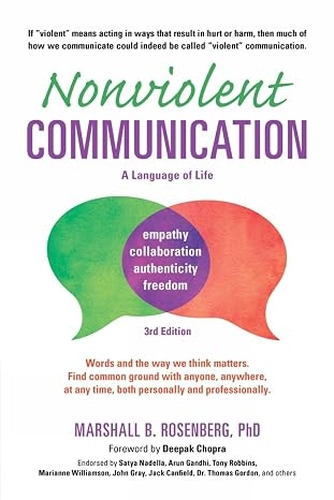
Many conflicts become worse because people express their frustration before explaining what they truly need.
Nonviolent Communication teaches a framework for communicating feelings, needs, and requests in a clearer way. Instead of focusing on blame, the approach encourages people to describe what happened, explain how they feel, and communicate what they hope can change.
For example, instead of saying “You never listen to me,” someone can learn to explain the specific situation, their emotional response, and the need behind it.
This book is helpful for people who want to have more compassionate conversations while still being honest about their feelings.
5. How to Win Friends and Influence People by Dale Carnegie
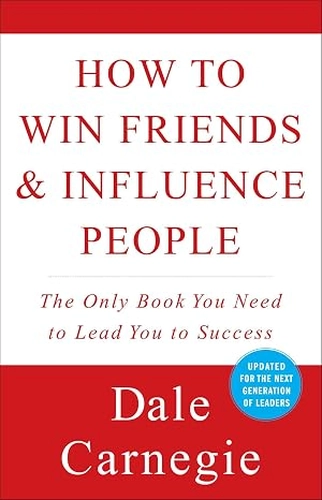
Although this classic book was written decades ago, its lessons about human connection remain relevant today.
How to Win Friends and Influence People teaches that communication is not only about choosing the right words. It is also about understanding people, showing respect, and making others feel valued.
The book explains how criticism, judgment, and defensiveness often push people away, while appreciation and genuine interest create stronger connections.
For difficult conversations, these principles are important because the way you approach someone can influence how they receive your message.
A Practical Way to Prepare for Difficult Conversations
Understanding communication principles is helpful, but difficult conversations often happen in moments when emotions are already high. At that point, knowing the theory is not enough – you need practical language you can actually use.
Say It Right Every Time by Miles Carter is designed around those real-life moments when people struggle to find the right words. The book provides more than 115 conversation examples and 15 practical frameworks that help readers respond to criticism, express their needs, handle disagreements, and set boundaries with confidence.
Rather than offering only general advice about communication, the book focuses on specific situations people experience every day and shows how to replace defensive or emotional reactions with clearer, more respectful responses.
For anyone who wants to feel more prepared before difficult conversations, this book offers a practical way to build communication skills one conversation at a time.
Did this article help you see things differently? Our books turn helpful ideas into practical tools you can return to anytime.


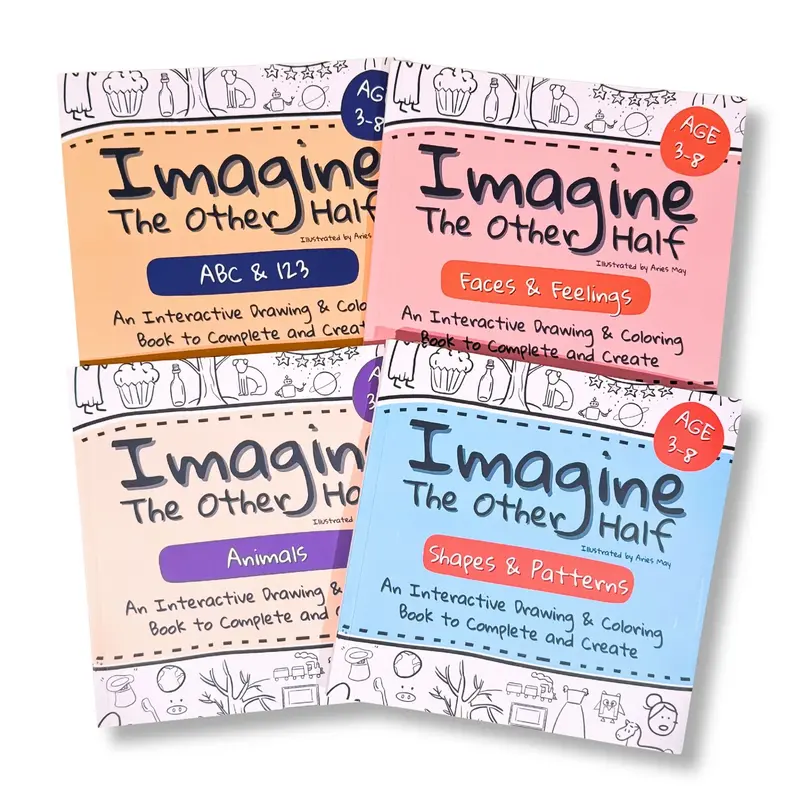
Imagine The Other Half
$24.99

