Here is one: You do not want the truth. You want to feel good about yourself.
People say they value honesty. But when the truth challenges their self-image, they resist. They deflect. They attack the messenger. The truth is uncomfortable. And most people are not as committed to truth as they are to comfort.
If you are ready to stop pretending and start seeing clearly, these three books will help you do exactly that.
3 Books That Reveal the Truth About Human Nature
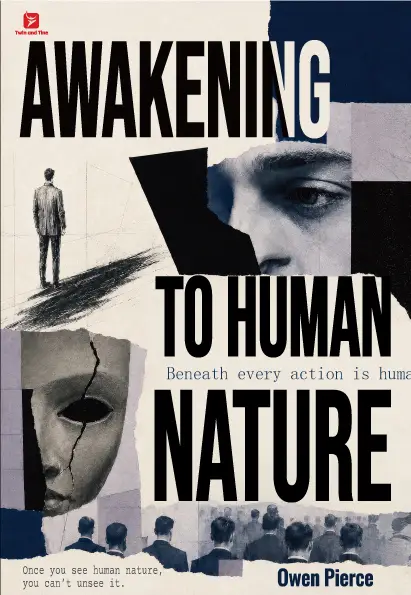
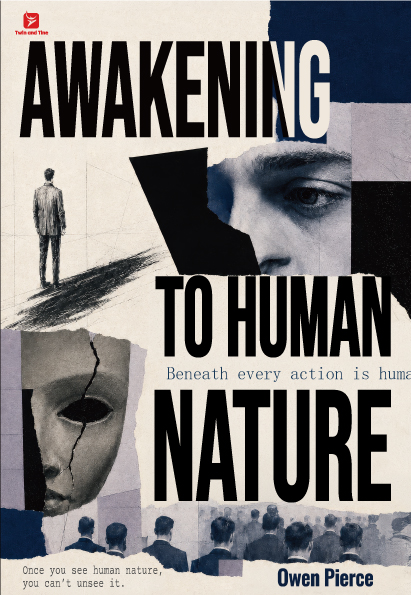
1. Awakening to Human Nature by Owen Pierce
Why do you keep making the same mistakes—and why is it so hard to see them?
Pierce’s book strips away the polite fictions and reveals how people actually operate. It covers why people crave validation over truth, why they avoid discomfort, why they lie to themselves about what they want, and why they stay in situations that hurt them.
The book is organized around seven sections: cognitive laws, emotional patterns, desire and interest rules, social dynamics, workplace realities, manipulation tactics, and survival wisdom. Each section targets a different blind spot that keeps people stuck.
This is not about becoming cynical. It is about becoming clear. It does not ask you to stop trusting people. It asks you to stop trusting yourself so blindly.
For anyone ready to stop lying to themselves and start seeing clearly.
2. Emotional Intelligence 2.0 by Travis Bradberry and Jean Greaves
Why are you often unaware of what is actually driving your reactions?
Most people think they understand their emotions. They do not. They react before they know why. They say things they regret. They make decisions based on feelings they cannot name.
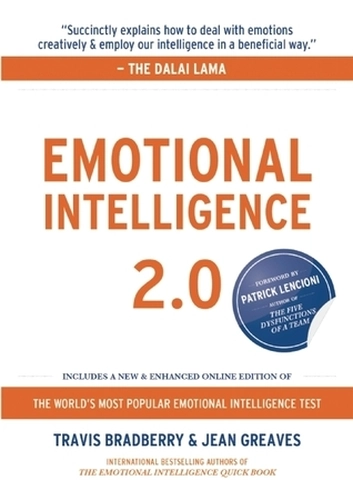
Bradberry and Greaves break emotional intelligence down into four skills: self-awareness, self-management, social awareness, and relationship management. The book includes a test to measure your current EQ and practical strategies for improving each skill.
What makes this book essential is the shift in perspective. Once you understand your emotional patterns, you stop being controlled by them. You start recognizing when you are rationalizing, deflecting, or avoiding discomfort.
For anyone who has ever reacted and later thought “why did I do that?”
3. Blink by Malcolm Gladwell
Why are your first impressions often wrong—and why do you trust them anyway?
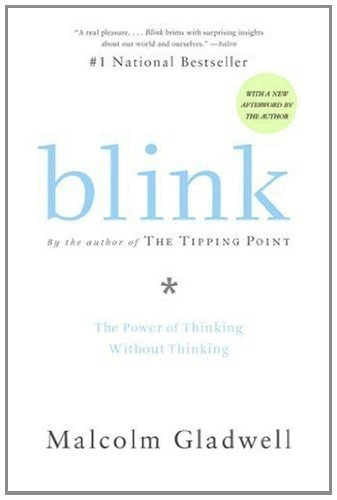
Gladwell’s book is about the power of rapid cognition—the snap judgments you make in the first two seconds of an encounter. These judgments feel true. They feel like intuition. They are often wrong.
The book explores why we trust our gut when we should pause, why we misread people based on appearances, and why we are rarely aware of the biases shaping our split-second decisions. It is not about dismissing intuition. It is about knowing when to trust it and when to question it.
For anyone who has ever been completely wrong about someone and wondered why they trusted their first impression so confidently.
These three books each expose a different layer of human nature. Pierce shows you the self-deception you carry. Bradberry and Greaves help you understand the emotions driving your reactions. Gladwell reveals the hidden biases behind your snap judgments.
Frequently Asked Questions
Why is it so hard to admit these truths about human nature?
Because they threaten your self-image. It is easier to believe you are rational, fair, and open-minded than to see the ways you are not.
If everyone is self-deceived, how do I know what is actually true?
You start by questioning your own assumptions. By asking: what would I believe if I did not want to believe it? By paying attention to patterns—in yourself and in others.
What if I read these books and feel worse about myself?
That is the uncomfortable part. But it is also the start of something. You cannot change what you cannot see.
| Best for | |
|---|---|
| Awakening to Human Nature | Seeing your own self-deception |
| Emotional Intelligence 2.0 | Understanding the emotions driving your reactions |
| Blink | Recognizing the biases behind your snap judgments |