If you ask most people for wealth advice, you will hear the same things: spend less than you earn. Invest early. Let compound interest work. Diversify. Avoid debt.
All of that is true. None of it is underrated.
Everyone already knows those rules. The problem is not a lack of knowledge. The problem is a lack of follow‑through. You know you should save more. You know you should invest. You still do not do it.
The most underrated piece of wealth advice is this: change how you think about money before you change what you do with it.
Here is why. And here are three books that actually help you do it.
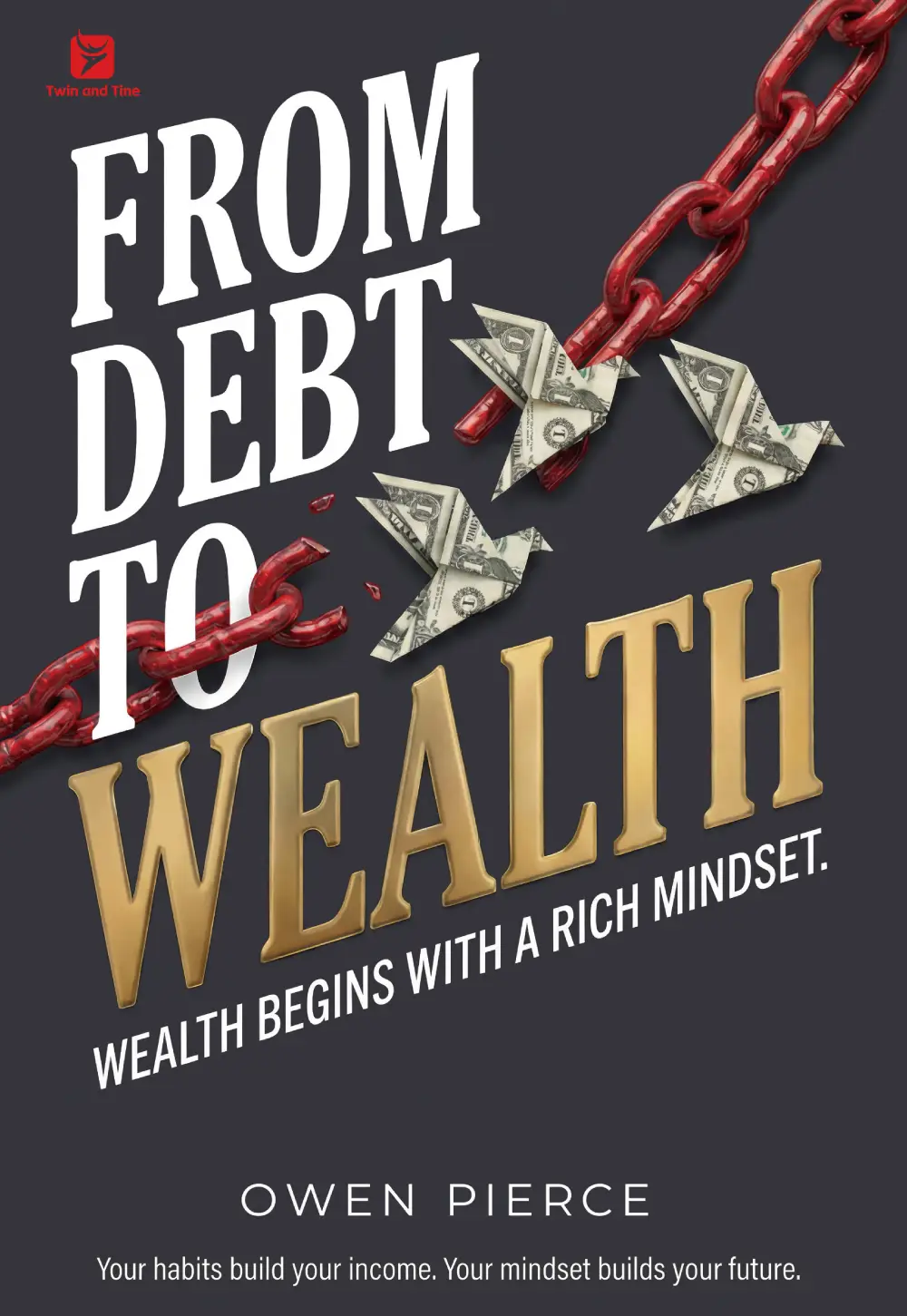
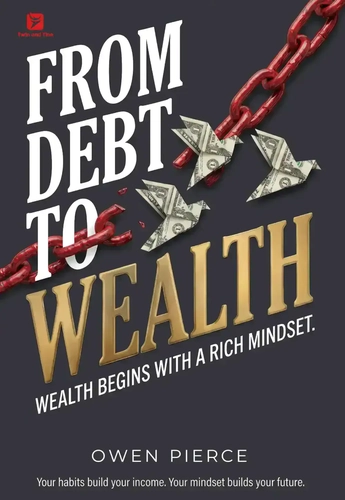
From Debt to Wealth by Owen Pierce
You are not broke because money is missing. You are broke because the system guiding your money is not designed to make it grow.
Pierce starts with a simple but uncomfortable truth: most people are trapped in a cycle that has nothing to do with how much they earn. They work harder, get a raise, spend more, and end up in the same place. More income does not fix the problem. It just makes the problem more expensive.
The real problem is how they think about money. What they believe a salary is for. What they consider an asset. What they tell themselves about comfort, risk, and reward.
Pierce challenges those beliefs directly. He explains why a paycheck can be a trap. Why luxury is often a display of money you do not have. Why the rich embrace discomfort while everyone else seeks comfort. Why wealth is not a reward for hard work—it is compensation for cognition.
Most personal finance books give you a system to follow. This one gives you a new operating system for your mind. When your thinking changes, your behavior follows. When your behavior changes, your results compound.
For anyone who has tried the standard advice and found it did not work—because the problem was never the math.
The Psychology of Money by Morgan Housel
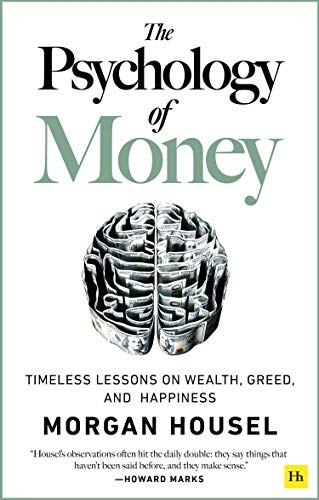
Doing well with money has very little to do with how smart you are and everything to do with how you behave.
Housel’s book is the perfect companion to Pierce. Where Pierce focuses on the cognitive shift you need, Housel focuses on the emotional patterns that keep you stuck. He explains why we compare ourselves to others, why we chase trends, and why patience is harder than it sounds. His writing is clear, honest, and grounded in real human behavior—not abstract theory.
If Pierce gives you a new way of seeing money, Housel gives you a new way of feeling about it.
The Millionaire Next Door by Thomas J. Stanley and William D. Danko
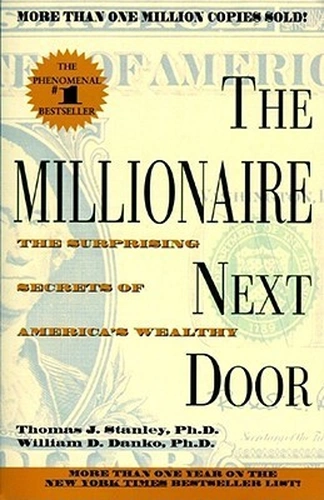
Most millionaires do not look like millionaires.
Stanley and Danko spent years studying actual wealthy people. They found that the stereotypical millionaire—flashy cars, designer clothes, expensive houses—is mostly a myth. Real millionaires live below their means. They drive used cars. They shop at normal stores. They stay invested and avoid debt. Their wealth is built through discipline and consistency, not luck or inheritance.
If Pierce and Housel change how you think and feel about money, this book shows you what that actually looks like in real life.
Which book should you start with?
If you have tried the standard advice and it never stuck, start with Pierce. He addresses the root of the problem: how you think about money itself. Change that, and the rest follows.
If you already know what you should do but keep making emotional decisions, read Housel. He explains why.
If you want to see what real wealth looks like—and realize it is more accessible than you thought—read Stanley and Danko.