I remember exactly what I was doing. Chopping carrots, the kind of mindless kitchen work that lets your brain wander. My 14-year-old slipped onto the stool at the counter. She didn’t say a word for a full minute. Then, quietly: “Mom, Dad doesn’t love me. He only shows up because the court makes him pay.”
I put the knife down. For eight years, I had been telling her the opposite. Of course he loves you. He just shows it differently. But something in her voice that afternoon was different. She wasn’t asking for reassurance. She was telling me a fact. And if I’m honest, a part of me had known it all along. My child doesn’t feel loved by the one person who should make her feel safest. What was I supposed to do with that?
Quick Actions When Your Child Says They Don’t Feel Loved
If your child has said something like this to you, try these:
- Stop and listen without jumping in to fix it.
- Validate the feeling: “That makes so much sense you’d feel that way.”
- Ask what they need from you right now, not what you think they need.
- Share a calm, honest observation if you can: “I’ve noticed he hasn’t shown up the way you deserve.”
- Remind them this is not about them being unlovable. It’s about someone else’s limits.
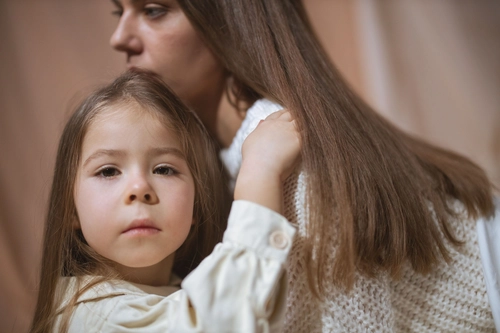
Why Does My Child Feel Unloved by One Parent?
I spent years trying to patch the gap. I would tell my daughter things like, “All parents love their kids, no matter what.” But that is a lie. And she knew it. Kids can smell false comfort from across the house.
In our case, her dad was physically present once every six months. He complained constantly about child support. He told her I was the reason he had no money. When I finally asked him to talk to her gently, he called her crazy. Those aren’t the actions of someone showing love. They are the actions of a man who feels burdened.
Do kids need both parents to love them? Ideally, yes. But what happens when one parent can’t, or won’t? The child’s brain starts to fill in the story. Often they blame themselves. “If I were smarter, prettier, easier—maybe he’d want me.” My daughter once told me she wanted surgery to change her face. She thought if she looked different, he might care. My heart cracked right there at the dinner table.
I realized something hard: you cannot make another adult love your child. What you can do is stop protecting the absent parent’s image. When my child doesn’t feel loved, my job isn’t to convince her she’s wrong. It’s to walk with her through the disappointment she’s already living.
How to Help When My Child Doesn’t Feel Loved by Their Other Parent
The night after the carrots, I sat on her bed. I said, “I’m not going to tell you he loves you. I don’t know what he feels. But I can tell you what I see: his actions aren’t matching up with what a dad should do. That’s on him. Not on you.”
She cried. I held her. Then she asked, “Why am I not enough?” I said, “You are more than enough. He just doesn’t have the emotional muscles to show it. Some people never learned how.”
This wasn’t a one-time conversation. It’s a thread we now pick up often. I stopped the sugarcoating. Instead, I replaced it with steady, boring consistency on my end. I showed up. I listened to the same worries 47 times without sighing. I made our home the soft place where hard truths were allowed.
What do you say when your child keeps circling the same pain? Try these phrases:
- “I can see how much you’re hurting. Want to talk or just sit together?”
- “It’s okay to feel angry and sad at the same time.”
- “You’re allowed to stop hoping he’ll change. That hope is heavy to carry.”
- “What would help you feel more grounded right now? A walk? A stupid movie? A big bowl of ice cream?”
I stopped trying to make her relationship with him better and poured that energy into our bond. That shift was huge. Her love tank didn’t fill overnight. But she started sleeping better. The late-night texts asking “does anyone even love me” slowly faded.

A Simple Ritual That Helped Us
We stumbled into something that became our anchor. Every Wednesday night, no matter what, we build what we call the Blanket Fort Check-In. I pull the big comforter off my bed, drape it over two chairs, toss in all the couch pillows, and we climb in with flashlights and snacks. For 20 minutes, she gets to say anything—or nothing. No advice unless she asks. No “but what about…” No fixing.
The first few weeks, we just talked about school. By month two, she’d tell me about the dad-shaped ache. The fort made it easier to speak the dark stuff. She said it felt like the heavy blanket could hold some of the sadness. I believe it. Sometimes a ritual gives permission where words can’t.
Do you need a blanket fort? No. You need a consistent, private space where your child knows you’ll show up and not flinch. Could be a drive, a walk after dinner, or sitting at the end of their bed. Name it. Claim it. Make it untouchable.
What If the Other Parent Blames You for Everything?
This is where it gets messy. Her dad constantly told her I was taking all his money. He framed me as the villain. For a while, I tried defending myself. That just put her in the middle. Now I say, “It sounds like he’s feeling stressed about money. That’s his adult stuff, not yours.” And I leave it. I don’t badmouth him—I refuse to become that person—but I also don’t pretend his words are fair. She’s learning to separate his stories from reality.
When the Love Language Is Missing: Adjusting Your Approach
Kids feel love differently at different ages. My older daughter wanted quality time. My younger one needed physical comfort—hugs, back rubs. There’s a simple framework that many parents find helpful: five ways people give and receive love. Words of affirmation. Gifts. Acts of service. Quality time. Physical touch. If you’re the present parent, try to notice which fills your child’s cup fastest. Then double down on that.
| Age Group | Signs They Don’t Feel Loved | What They Need Most | Helpful Phrases | What to Avoid |
|---|---|---|---|---|
| 3 to 7 | Clinginess, nightmares, frequent “do you love me?” questions | Physical presence and predictable routines | “I love being your mom. I’m right here.” | Minimizing their feelings (“You’re fine!”) |
| 8 to 12 | Withdrawal, angry outbursts, testing boundaries | One-on-one time where they lead | “I know your feelings matter. Help me understand.” | Blaming the other parent openly |
| 13 to 18 | Silent treatment, cynical comments, sleep changes | Honest conversations, respect for their perspective | “This is hard and unfair. I see that.” | Forcing a relationship they aren’t ready for |
Notice the pattern: the older they get, the more they need truth, not fairy tales. A teen’s radar for false comfort is laser-sharp. If my child doesn’t feel loved by a parent, I owe it to her to confirm what her gut already knows. That’s how trust is built.
FAQ: When a Child Doesn’t Feel Loved
Q: What should I say when my child doesn’t feel loved by their dad?
A: First, validate the feeling without arguing. Say something like, “I understand why you’d feel that way.” Then ask what they need from you. Resist the urge to defend the other parent. Just hold space.
Q: Should I force the other parent to show more affection?
A: You cannot control another adult’s emotional capacity. Forcing often backfires and can create more tension. Focus instead on being the stable, loving parent you can be. Let the other parent’s actions speak for themselves.
Q: How can I help my child feel loved when I’m the only present parent?
A: Create consistent rituals and catch them doing things right. Notice small efforts. Be a safe place for all feelings. Fill your home with warmth and clear boundaries. Remind them often: “You are loved here, exactly as you are.”
Q: My child says they don’t feel loved by anyone—could it be more than just the absent parent?
A: Persistent feelings of being unloved despite steady love at home can sometimes signal deeper sadness. If it lasts weeks, consider talking to a trusted school counselor or a family doctor. You don’t need a clinical label to ask for extra support.
Q: How do I stop feeling guilty about my child’s other parent not showing up?
A: That guilt is natural, but it’s not yours to carry. You didn’t choose this for your child. You can acknowledge the pain without taking responsibility for the other parent’s choices. Your job is to show up—and it sounds like you are.
One Last Thing
Last week, my daughter came into the kitchen while I was chopping vegetables again. She grabbed a carrot slice and said, matter-of-fact, “I think he loves the idea of me, maybe. Just not the real me.” I nodded. She didn’t cry. She didn’t ask me to fix it. She just stated it and walked away with her snack.
That quiet acceptance? It was hard-earned. But it was also healing. She knows now that the love she deserves starts from within—and that one parent’s failure to show up never defines her worth. When your child doesn’t feel loved, you don’t have to force a happy story. You just have to stay. And sometimes, that’s everything.
References
- Chapman, G. (1992). The 5 Love Languages of Children. Northfield Publishing.
- American Academy of Pediatrics. (n.d.). Building Resilience in Children. HealthyChildren.org.
- Siegel, D. J., & Bryson, T. P. (2011). The Whole-Brain Child: 12 Revolutionary Strategies to Nurture Your Child’s Developing Mind. Random House.
