A restless mind does not always announce itself as anxiety. Sometimes it simply feels like being unable to switch off after work, becoming unusually sensitive to a short message, replaying something you said earlier, or feeling unsettled without knowing exactly why. You may not even think of yourself as an anxious person. You just know that your emotions sometimes seem to take over more space than you would like.
That is where emotional balance becomes important. It is not about becoming calm all the time or avoiding uncomfortable feelings. It is about understanding your reactions well enough that you have more choice in how you respond. These three books approach that process from different directions.
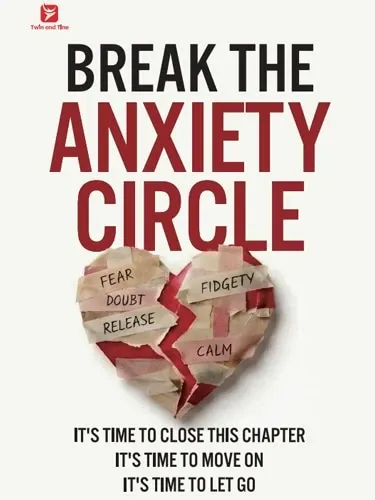
Break the Anxiety Circle by Miles Carter
Best for recognizing repetitive emotional and thought patterns
Break the Anxiety Circle looks at the patterns that can cause anxious thoughts and emotional reactions to keep repeating.
A situation may trigger a worry, the worry creates an emotional reaction, and that reaction can lead to behaviors such as checking, reassurance-seeking, avoidance, or repeated analysis. Once the immediate discomfort fades, the same pattern can appear again in another situation.
The book encourages readers to look beyond individual worries and recognize the cycle underneath them.
That makes it especially relevant for people who notice that the subject of their worries changes but the emotional experience remains remarkably similar.
Break the Anxiety Circle
Miles CarterA mental reset for people trapped in the overthinking loop. Understand why your mind won’t stop racing — and how to break free from anxiety, people-pleasing, and emotional exhaustion.
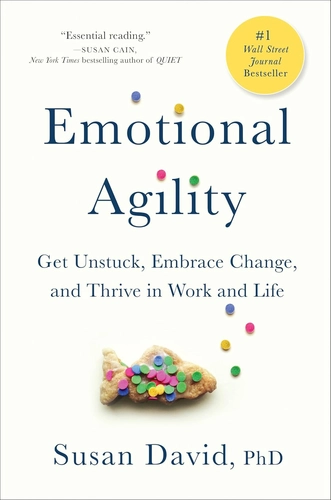
Emotional Agility by Susan David
Best for becoming more flexible with difficult emotions
Emotional Agility takes a broader approach to emotional well-being.
Instead of suggesting that difficult feelings should simply be pushed away, the book explores how people can acknowledge emotions while still making choices that reflect their values.
This can be useful when someone becomes frustrated with their own emotional reactions.
For example, feeling nervous before an important conversation does not necessarily mean you should avoid the conversation. Feeling disappointed does not necessarily mean something has gone terribly wrong.
Emotional awareness creates room between the emotion and the response.
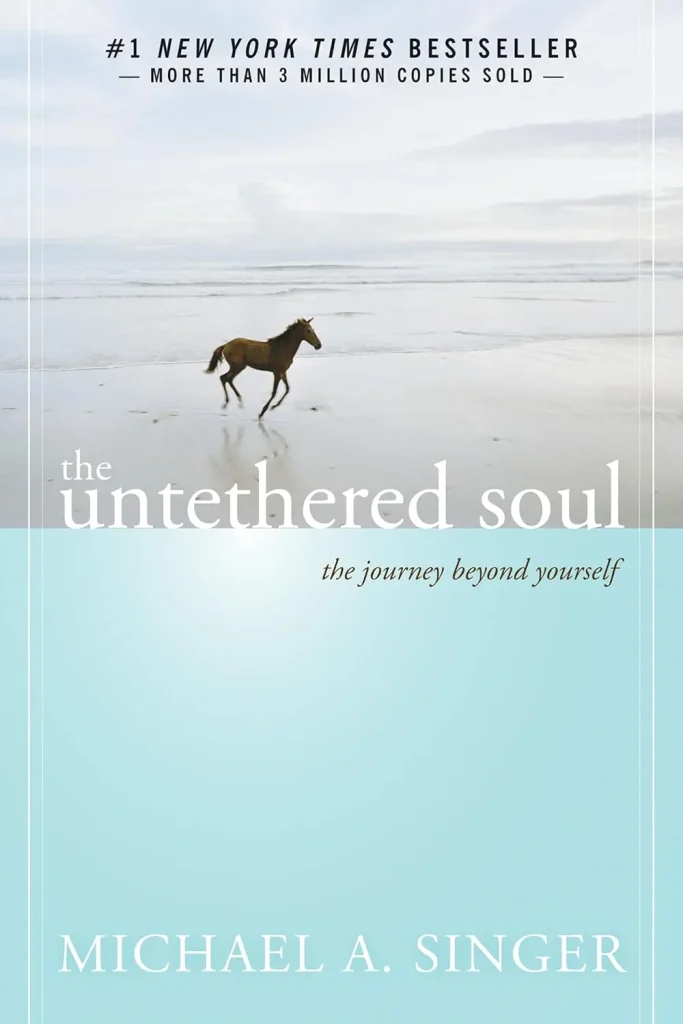
The Untethered Soul by Michael A. Singer
Best for gaining perspective on your inner dialogue
Some people experience emotional difficulty because they become deeply absorbed in their internal conversations.
One thought leads to another, and eventually the inner dialogue feels more real than the situation happening around them.
The Untethered Soul explores the relationship between the person experiencing thoughts and the thoughts themselves.
Its perspective can be helpful for readers who want to become less attached to every passing worry, judgment, or mental story.
Emotional Stability Does Not Mean Feeling Nothing
There is a common misconception that emotionally stable people simply do not get upset.
Real emotional stability is much less dramatic.
You can become frustrated and still communicate respectfully.
You can feel nervous and still move forward.
You can be disappointed without deciding that everything is ruined.
You can have an uncomfortable thought without immediately treating it as a fact.
The goal is not emotional perfection.
It is greater flexibility.
Why Self-Awareness Changes the Way You React
Imagine that someone sends you a message that feels unusually cold.
Your first reaction might be:
“They are angry with me.”
But self-awareness gives you another step before you react.
You can notice:
“I feel rejected right now.”
Then:
“I am interpreting their message as anger.”
And finally:
“I don’t actually know what they meant yet.”
That small pause can completely change what happens next.
Instead of immediately sending an emotional reply, you might wait, ask for clarification, or simply continue with your day.
When Repeated Worry Is the Real Problem
Sometimes the individual worries are not the main issue.
You may worry about work today, a relationship tomorrow, money next week, and a conversation from last month after that.
The subjects are different.
The pattern is the same.
That is one of the ideas explored in Break the Anxiety Circle by Miles Carter. By looking at the recurring cycle rather than focusing only on the latest worry, readers can begin to recognize what their minds are doing when they feel uncertain or emotionally threatened.
How to Choose Between These Three Books
Choose Break the Anxiety Circle if you want to understand recurring worry and anxiety patterns.
Choose Emotional Agility if you want to become more flexible with difficult emotions.
Choose The Untethered Soul if you are interested in creating more distance from your inner dialogue.
They are different books for different needs, which is exactly why reading beyond a single perspective can be useful.
Final Thoughts
Emotional stability is not about reaching a point where nothing bothers you.
It is about becoming more familiar with your own reactions.
The more clearly you can recognize what you are feeling, what you are thinking, and what you are assuming, the less likely you are to react automatically.
For readers who repeatedly find themselves caught in cycles of worry and emotional overanalysis, Break the Anxiety Circle by Miles Carter offers a focused perspective on understanding those patterns and beginning to respond to them differently.