You have read the articles. You have seen the influencers. You have heard your friends and your mother-in-law weigh in. Everyone has an opinion on how you should raise your kids. Be stricter. Be gentler. Do what feels right. But what feels right changes depending on how much sleep you got and whether anyone spilled juice on the carpet today.
The noise is overwhelming. And the stakes feel high. Every parenting decision feels like it could mess up your kid forever.
Here is a different way to think about it. Parenting is not about finding the one perfect method. It is about finding what works for your specific child, your specific family, and your specific situation. That means you need options. You need tools. You need to understand what is actually going on beneath the behavior.
That is where books help. The right ones give you frameworks, not rules. They help you see your child more clearly and respond more thoughtfully.
Quick answer: How do I choose the right parenting approach for my family?
Start with the book that matches your biggest struggle right now, try one new strategy at a time, and give yourself permission to adjust what does not work.
Here are two positive parenting books that take different approaches. One gives you practical scripts for everyday battles. One explains child development through a therapist’s lens and helps you understand what is normal at each age.
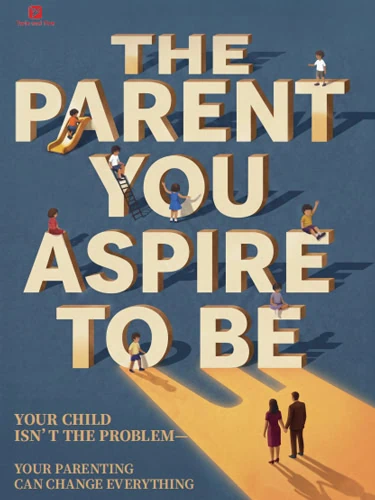
The Parent You Aspire to Be
Practical guidance for tantrums, backtalk, lying, and everyday struggles.
This book by Miles Carter is built for the moments that make you want to pull your hair out. The tantrum in aisle three. The backtalk at dinner. The homework battle that drags on for an hour.
What makes this book different is the structure. For every problem, Carter shows you the wrong way and then the right way. Side by side. You see exactly what to say and what not to say. No guessing. No vague advice.
The book covers seven big areas. Behavior correction, emotional management, communication, and even your own emotions as a parent. It tackles internet addiction, school refusal, lying, picky eating, and tantrums. It also looks at parental struggles like over-control and emotional outbursts.
Here is what you learn. How to set gentle but firm boundaries. How to understand what your child is really asking for. How to let go of control in ways that actually help your kid grow. And how to stop reacting and start responding.
This book is for parents who want practical tools they can use tonight. Not theory. Just real solutions.
A Therapist’s Guide to Child Development
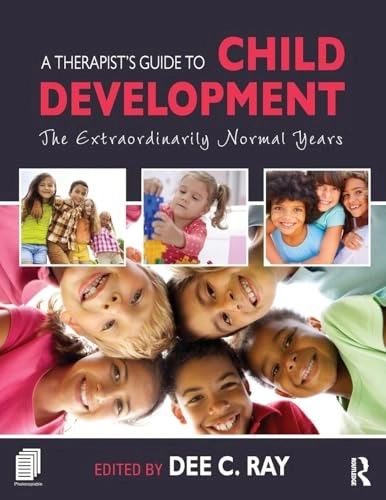
Understanding the extraordinarily normal years.
Dee C. Ray wrote this book for therapists and counselors who work with children. But it is also incredibly useful for parents who want to understand what is normal and what is not at each age.
The book explores the physical, social, and identity changes that happen at every stage of childhood. It links developmental stages to mental health and behavior. It helps you understand which behaviors are typical for a five-year-old versus a ten-year-old. It shows you when to worry and when to relax.
What makes this book valuable is the practical tools. It includes clear handouts that explain which behaviors are normal for each developmental stage and which might need professional attention. It matches developmental milestones with mental health strategies.
This book is for parents who want to understand the big picture. Who want to know what is actually typical for their child’s age. Who want to stop worrying about things that are perfectly normal.
Which Book Should You Read First?
If you are in the middle of daily battles and need scripts right now, start with The Parent You Aspire to Be. It gives you exact words to use in the moment.
If you want to understand what is normal at each age and when to worry, pick up A Therapist’s Guide to Child Development. It helps you see the big picture.
Many parents read both. One gives you practical tools for today. The other gives you understanding for the long haul.
Final Thought
Parenting is not about getting it right every time. It is about staying curious. About learning what your child needs and adjusting as they grow. About being willing to try something new when what you are doing is not working.
The best approach is the one that works for your family. Not the one that looks good on paper. Not the one your friend swears by. The one that actually helps you connect with your child.
Start with one book. Try one technique. See what happens. Then try another.
Quick Comparison Guide
| If your problem is… | Start with this book |
|---|---|
| Daily battles and not knowing what to say | The Parent You Aspire to Be |
| Understanding what is normal at each age | A Therapist’s Guide to Child Development |