“If you wanna get out of poverty, you have to exit the poverty ecosystem.”
It sounds simple. But if you’ve ever tried to break out of poverty, you know it’s anything but. You’ve worked hard. You’ve tried to save. You’ve tried to make better choices. And yet, something keeps pulling you back.
That something is the poverty ecosystem. And until you understand what it is and how it works, you’ll keep running on a treadmill that goes nowhere.
Key Takeaways (At a Glance)
- Poverty isn’t just about money. It’s a web of interconnected factors — biological, environmental, social, and systemic.
- The stress of poverty changes your body and brain. It affects your ability to make decisions and plan for the future.
- Your environment shapes your mindset. Where you live, who you talk to, and what resources are available all keep you stuck.
- Awareness is the first step to breaking free. You can’t escape a system you don’t see.
- Education is the most powerful tool for escape. It doesn’t have to be a degree — trade schools, technical programs, and even books can open doors.
- Young people need temporary exits from the ecosystem. Sports, after-school programs, and mentorship can change their understanding of what’s possible.
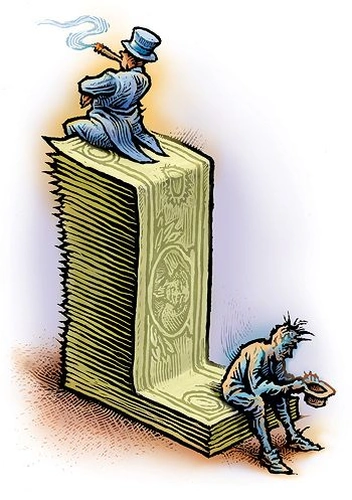
What Is the Poverty Ecosystem?
It’s an understanding that poverty isn’t just about not having a lot of money. It’s about all the other factors that are sometimes out of our control that are constantly feeding into one another and can keep a person stuck in poverty.
It’s the biological and physiological changes that we go through because of the stress and anxiety that poverty brings. It’s the environment we live in — the housing, the neighbourhoods, the schools — which shape our understanding of the world and what we think is possible for ourselves. It’s the social systems, the people that you’re constantly talking to on a regular basis and forming relationships with, and the institutions and resources that are available to you.
All of those things are interconnected and feed into one another to keep a person stuck in their current situation.
The First Step: Awareness
So how do you get out of it? First and foremost is awareness. Be aware that the poverty ecosystem exists and how it’s impacting your daily decisions.
You can’t change what you don’t see. Most people who grow up in poverty don’t know they’re in a system. They think their struggles are personal failures. They think they’re just not trying hard enough.
But once you understand the system, you stop blaming yourself. You start seeing the barriers. And you can start figuring out how to get around them.
The Second Step: Education
Second thing is the most important — it’s education. It doesn’t have to be a formal degree, although that’s gonna give you the best return. It could be trade school, a technical program. Is your job offering any classes? Is there a free class at the library that you can take? Is there a book on a skill that you can read and implement and practice so that you can have better opportunities?
Anything that’s gonna increase your knowledge and skill set to give you better employment and income streams.
Education is the most powerful tool for escape. It’s not just about earning more money — it’s about expanding your vision of what’s possible. People who break the cycle of poverty almost always do it through learning. Formal or informal. Formal is better, but any will do.
The Third Step: Temporary Exits
The third thing is especially important for young people or parents to young people. And that’s temporary exits from the ecosystem.
Putting young people into sports clubs, after school activities, summer programs, mentorship. This is going to change their mindset and change their understanding of what’s possible to them. It’s gonna give them more opportunities. It’s gonna give them more resources that they otherwise would not have had.
A child who spends the summer in a robotics program sees a different future than a child who spends the summer on the street. A teenager who has a mentor sees a path out that they didn’t know existed.
A Real Example
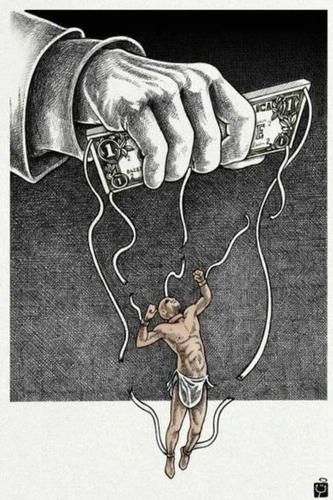
The person who created this video is the first person in their family to break the cycle of poverty. They still have family members who are in it. And the difference isn’t that they worked harder. It’s that they understood the system. They exited the poverty ecosystem.
They didn’t just make more money. They changed their environment. They changed their social circle. They changed their mindset.
The One Book That Can Help You Break Free
If you’re ready to break free from the cycle that’s been holding you back, From Debt to Wealth by Owen Pierce is the book you need. It teaches you how to change your money mindset, develop the habits of the wealthy, and use debt and investing to build real wealth.
When your thinking changes, your behavior follows. When your behavior changes, your results compound. You are not broke because money is missing. You are broke because the system guiding your money is not designed to make it grow. The moment that system changes is the moment your financial trajectory begins to change with it.
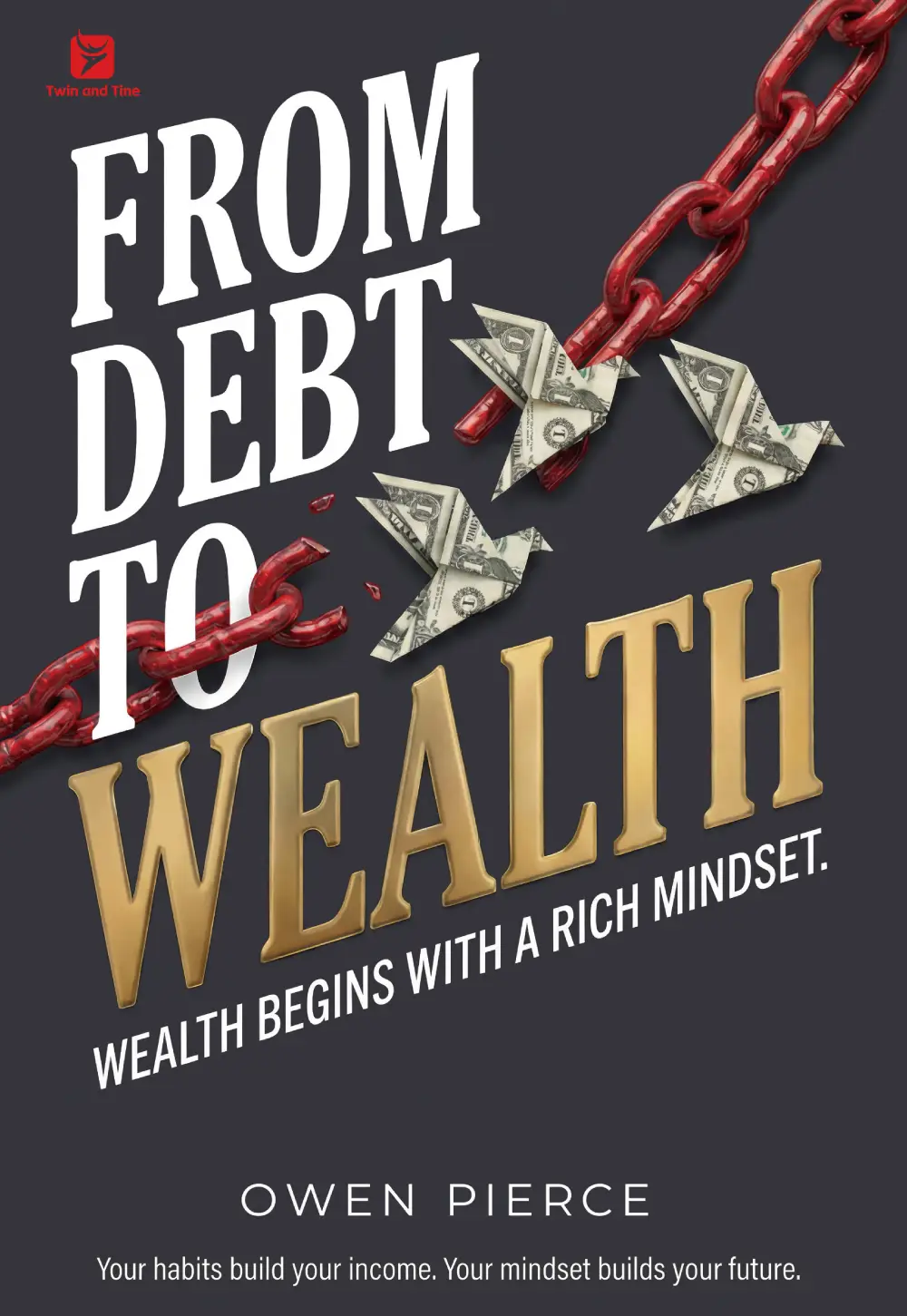
From Debt to Wealth
Owen PierceA money framework for people stuck in the paycheck-to-paycheck cycle. Understand why your income never feels like enough — and how to break out.
FAQ
Q: What is the poverty ecosystem?
A: It’s the web of interconnected factors — biological, environmental, social, and systemic — that keep people trapped in poverty. It’s not just about money. It’s about stress, environment, relationships, and access to resources.
Q: Why is awareness the first step?
A: You can’t escape a system you don’t see. Most people in poverty blame themselves for their struggles. Once you understand the system, you stop blaming yourself and start seeing the barriers — and the way around them.
Q: Does education have to be a formal degree?
A: No. Education can be trade school, technical programs, free library classes, or even books. Anything that increases your knowledge and skill set to create better opportunities.
Q: What are temporary exits from the ecosystem?
A: Sports clubs, after-school activities, summer programs, and mentorship. These give young people exposure to different opportunities and resources — and change their understanding of what’s possible.
Q: Can I break the cycle of poverty?
A: Yes. It starts with awareness, then education, and changing your environment. It’s not easy — but it’s possible. Many people have done it. You can too.
