A simple message.
A small decision.
A conversation from yesterday.
For some people, these things disappear quickly.
But for others, the mind keeps returning to them.
“What if I said the wrong thing?”
“What if something goes wrong?”
“What if I made the wrong choice?”
The problem is not thinking.
Thinking helps us learn, prepare, and solve problems.
The problem begins when thinking becomes a loop.
The same questions repeat.
The same worries appear again.
And instead of finding solutions, the mind creates more stress.
This is why many people search for books to stop overthinking and worrying.
The right book cannot remove every difficult thought.
But it can help you understand why your mind works this way and learn healthier ways to respond.
1. Break the Anxiety Circle
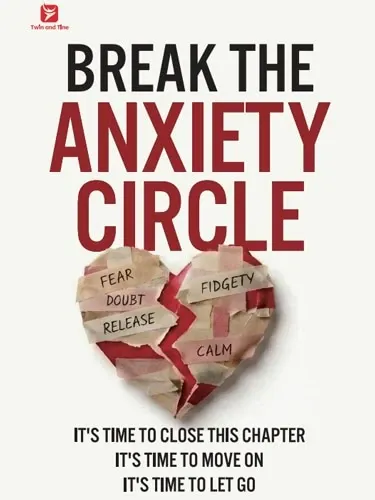
Best for: Understanding why your thoughts keep repeating
Many people try to stop overthinking by forcing themselves to “think positively.”
But anxiety is rarely solved by simply replacing negative thoughts.
Often, the first step is understanding the pattern behind those thoughts.
Break the Anxiety Circle focuses on the connection between thoughts, emotions, and repeated worry patterns.
The book explores why the mind can become trapped in cycles such as:
- Constantly analyzing situations
- Replaying past conversations
- Imagining future problems
- Searching for certainty that may not exist
One of the most valuable ideas is that anxious thinking is not a personal weakness.
It is often a learned mental pattern.
When people understand how anxiety loops are created, they can begin changing their relationship with their thoughts.
Instead of asking:
“How do I force myself to stop thinking?”
They can start asking:
“Why does my mind keep returning to this?”
That shift creates awareness.
And awareness is often the beginning of change.
2. Feeling Good
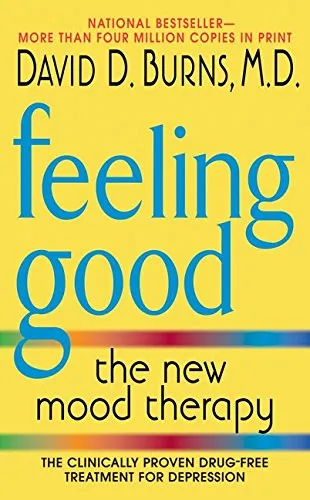
Best for: Understanding the connection between thoughts and emotions
Many anxious thoughts feel completely real.
A person may think:
“They probably dislike me.”
“I will probably fail.”
“Something bad might happen.”
But thoughts are not always facts.
Feeling Good by David Burns explores how negative thinking patterns influence emotions and how people can challenge unhelpful beliefs.
The book introduces ideas related to cognitive behavioral therapy and helps readers recognize patterns such as:
- All-or-nothing thinking
- Overgeneralizing
- Assuming the worst outcome
- Being overly critical of yourself
For people who want to understand how thoughts affect emotions, this book provides a practical psychological framework.
3. Self-Compassion
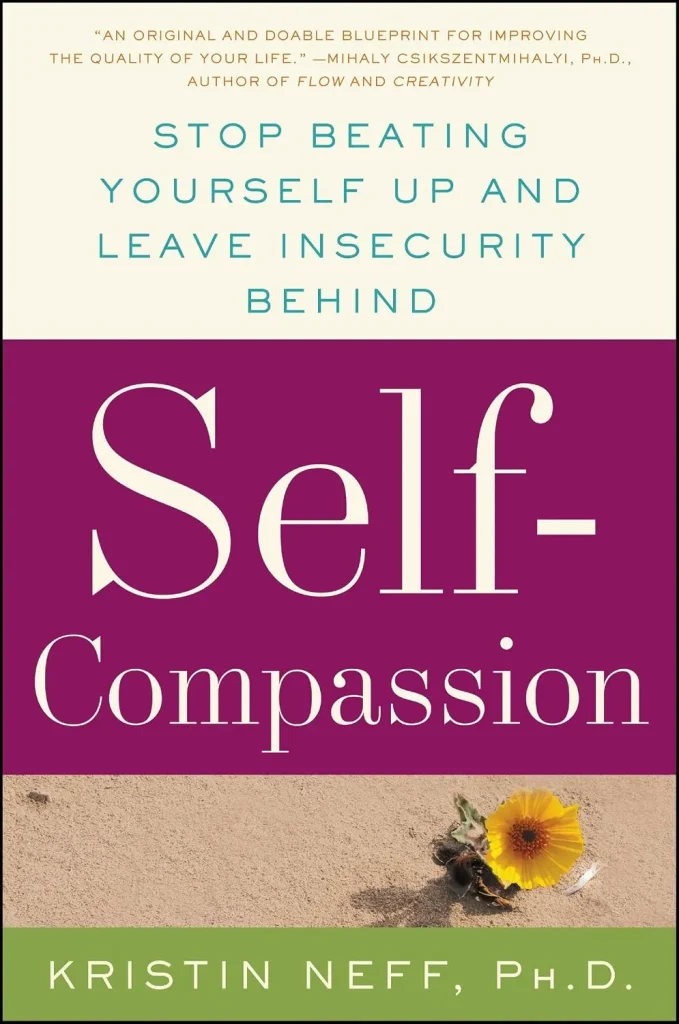
Best for: Becoming less critical toward yourself
Sometimes overthinking is connected to a deeper pattern:
Being too hard on yourself.
You replay mistakes.
You judge your decisions.
You expect yourself to do everything perfectly.
Self-Compassion by Kristin Neff explores how treating yourself with greater kindness can improve emotional wellbeing.
The book focuses on:
- Reducing self-criticism
- Accepting imperfections
- Building emotional resilience
- Developing a healthier inner voice
Many people try to solve anxiety by controlling every thought.
But sometimes healing begins by changing how we respond to ourselves when difficult thoughts appear.
Overthinking Is Often a Search for Safety
People often assume overthinking happens because someone thinks too much.
But many times, overthinking is the mind trying to protect itself.
It searches for:
More information.
More certainty.
More control.
The problem is that life rarely provides complete certainty.
Learning to accept uncertainty is one of the biggest steps toward emotional freedom.
Books about anxiety and emotional healing can help readers understand this process from different perspectives.
Some focus on changing thought patterns.
Some focus on emotional acceptance.
Some focus on building a kinder relationship with yourself.
Understanding Your Mind Is the First Step Toward Change
Breaking an anxiety cycle does not mean eliminating every worry.
Everyone experiences fear, doubt, and uncertainty.
The goal is learning not to let those thoughts control your life.
Break the Anxiety Circle offers a useful starting point for anyone who feels trapped in repetitive thinking patterns.
Because sometimes the way out of overthinking is not trying harder to stop your thoughts.
It is finally understanding why they keep appearing.