You helped them when they needed you. You defended them when they weren’t in the room. You assumed the relationship meant something because of everything you had been through together.
Then something changed.
Maybe their priorities shifted. Maybe they found someone more useful. Maybe the relationship stopped giving them what it once did.
And suddenly, the person you trusted was treating you like a stranger.
The hardest part isn’t always the betrayal itself. It’s trying to understand how someone who once seemed so loyal could behave so differently.
Here is the uncomfortable answer that most articles won’t tell you:
Sometimes, the explanation isn’t that you completely misunderstood the person. It’s that you misunderstood what was holding the relationship together.
Why Does Betrayal Hurt So Much?
Betrayal doesn’t just hurt because of what someone did. It hurts because it forces you to rewrite the past.
Every memory you shared, every moment of connection, every time you believed they had your back—all of it gets thrown into question. You don’t just lose the person. You lose the story you told yourself about the relationship.
When someone betrays you, you are not just reacting to their behavior. You are reacting to the gap between:
What you thought the relationship was built on
versus
What it was actually built on
That gap is where the real pain lives.
Why Do People Betray Someone They Once Trusted?
If you search for “books about why people betray you”, what you are really asking is:
“What makes someone who once cared about me turn against me?”
Here is the honest answer. It is rarely one thing. It is usually a combination of changing conditions.

Changing Needs
People enter relationships for many reasons: emotional support, status, practical help, validation, or simply a sense of belonging.
When those needs are met—or when new, stronger needs appear elsewhere—the foundation of the relationship can quietly shift. This doesn’t mean they never valued you. It means the relationship was partially built on their need for what you provided. When that need fades, so does their intensity.
Self-Interest (Reoriented)
Self-interest is not evil. It is simply part of being human. The problem isn’t that people have self-interest. The problem is that we often assume they will prioritize us the way we prioritize them.
When circumstances change—career opportunities, romantic partnerships, financial pressures—people quietly recalculate what matters. And sometimes, you fall lower on the list.
Status Dynamics
This is the least discussed but most common factor.
Think about a coworker who once sought your opinion regularly. After they get promoted, do they still ask? Or do they suddenly seem less interested in what you think?
Or consider a friendship where one person gains significant social status—a new job, a new relationship, a new circle. Do they still make time for you, or does the effort quietly shift toward people who now seem more relevant to their life?
People treat you differently when your status relative to theirs changes. Not because they consciously decide to devalue you. But because status unconsciously shapes how much energy people invest in maintaining connections.
Opportunity
Some betrayals don’t happen until the opportunity arises.
A friend who has always been loyal might choose a new social group if it offers better access or validation. A colleague who would never undermine you in normal circumstances might do it when a promotion is on the line.
Opportunity doesn’t create character. It reveals what was already there—but hidden.
Emotional Pressure
People under stress behave differently. They become more self-protective, more defensive, and more likely to prioritize their own survival over relational loyalty.
It is not an excuse. But it is an explanation.
Why We Often Miss the Signs We Are Already Seeing
Here is the part most people skip—and it is the most important part.
You may not have been blindsided. You may have been choosing not to see.
We give the benefit of the doubt to people we know well. We rationalize their distance. We explain away their self-focus. We tell ourselves:
- “They’re just going through a hard time.”
- “They didn’t mean it.”
- “Maybe I’m overthinking.”
- “They’ve always been good to me before.”
Sometimes, this is simply generosity. But sometimes, giving someone the benefit of the doubt becomes a way of protecting the version of the relationship we want to believe in.
We don’t want to admit that the person we trusted might not see the relationship the same way we do. So we keep explaining away the evidence.
That is not trust. That is avoidance. And avoidance is what makes betrayal feel sudden—because you ignore the small signs until the pattern becomes undeniable.
The Difference Between What People Say and What They Do
Most of us are trained to listen to words. We trust declarations:
- “I appreciate you.”
- “I’ll always be there.”
- “You can trust me.”
But words are not the same as behavior. Here is how to start reading the gap between the two:
| What Someone Says | What to Observe |
|---|---|
| “I appreciate you.” | Do their actions show appreciation—especially when there is nothing to gain? |
| “I’ll always be there.” | What happens when you actually need them? Are they present, or suddenly unavailable? |
| “You can trust me.” | How do they behave when trust costs them something—time, status, or convenience? |
| “We’re friends.” | Is the relationship still mutual when there is no clear utility in it? Or does it fade? |
Don’t rely on declarations alone. Look for patterns.
Once you start looking for patterns instead of isolated statements, people’s behavior becomes easier to read.
The Loyalty Test: What Happens When Someone No Longer Needs You?
If you want to know the real nature of a relationship, don’t look at how someone treats you when you are useful.
Look at how they treat you when you are not.
Here is a pattern that plays out across friendships, family, work, and romance:
- They needed something from you—support, validation, practical help, status, connection.
- Your value increased—they became warmer, more present, more invested.
- Their need was satisfied—or a new, more attractive need appeared elsewhere.
- Their attention decreased—slowly, quietly, without explanation.
- You interpreted the distance as personal rejection—but often, you didn’t change. Their needs did.
- They returned when another need appeared—warm again, familiar again, as if nothing had happened.
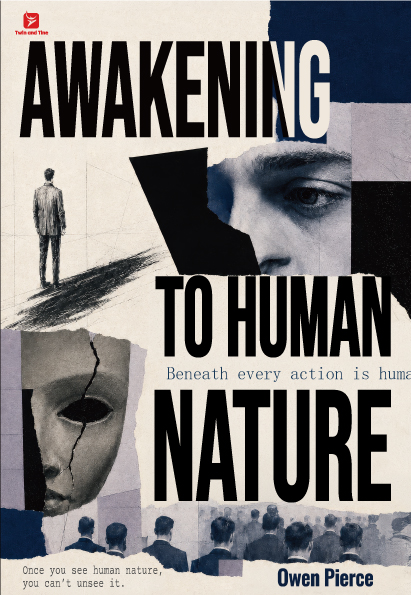
In Awakening to Human Nature, this dynamic is captured in one observation:
Loyalty lasts only as long as the need does.
But this does not mean that every relationship is purely transactional. It doesn’t mean everyone is using everyone. It means that need is one of the forces that can shape a relationship. It isn’t necessarily the whole relationship.
Some relationships survive these shifts. The ones that do are usually built on something deeper than utility: shared values, genuine mutual care, or a commitment that persists even when convenience fades.
But many relationships don’t survive the shift. And recognizing that—early—is what protects you from being blindsided.
That is why this test is so useful. Apply it across different areas of your life:
- Friendship: What happens when you stop being the one who always plans, always listens, always helps? Do they step up, or does the friendship quietly fade?
- Workplace: What happens when you stop being useful to someone else’s goals? Do they still value your input, or do you become invisible?
- Dating: What happens when attention is no longer rewarded with validation or approval? Does the effort continue, or does it shrink?
- Family: What happens when you stop doing what everyone expects of you? Does the dynamic shift, or is there room for you to be different?
The answers may tell you more about the foundation of those relationships than another promise ever could.
The goal is not to become cynical. The goal is to stop being surprised.
What Can You Actually Learn From Someone’s Betrayal?
Every betrayal teaches you something—not just about the person who betrayed you, but about how you choose to trust.
Here are five things to pay attention to going forward:
1. Watch behavior under pressure. People reveal their priorities when they have something at stake.
2. Watch behavior when incentives change. The person who stays consistent when circumstances shift is rare. Notice who that is.
3. Watch how they treat people who have nothing to offer them. How someone treats the powerless tells you more than how they treat the powerful.
4. Watch what happens when you stop over-giving. If the relationship fades when you stop over-extending, you have your answer.
5. Watch whether words and actions remain aligned over time. This is the simplest and most reliable filter. If they say one thing and do another—repeatedly—that is not a mistake. It is a pattern.
A Broader Way to Look at This
Betrayal is one example of a much larger challenge:
We often interpret people’s behavior through what we hope their intentions are, rather than through what their actions actually reveal.
We assume people see the relationship the way we do. We assume loyalty means the same thing to them. We assume that because we would never act a certain way, they wouldn’t either.
But people operate on different maps. Their behavior is shaped by needs, incentives, expectations, and self-perceptions that we can’t always see.
That is the broader territory Awakening to Human Nature explores.
It doesn’t just explain betrayal. It examines the hidden patterns behind human behavior: why people change, why we misread them, why we ignore what we don’t want to see—and how to become more accurate without becoming bitter.
If You Want to Explore This Further
If you’re less interested in simply labeling people as “good” or “bad,” and more interested in understanding why they behave the way they do, Awakening to Human Nature offers a framework that goes beyond surface-level advice.
It covers:
- Why loyalty is often conditional—and how to recognize the conditions
- How changing needs alter relationships without warning
- Why we give the benefit of the doubt to people who have already shown us a pattern
- How to distinguish between genuine connection and need-based attachment
- The gap between what people say and what they actually do
This is not a book that comforts you with easy answers. It equips you to see people clearly—before they disappoint you.
You Don’t Have to Become Cynical. You Just Have to Become Accurate.
The people who betrayed you may not be villains. But they may not be your people either.
And that is okay.
The goal isn’t never to be disappointed. The goal is to stop being surprised. To see the pattern early enough that you can choose how much to invest, how long to stay, and when to let go—without losing your trust in humanity altogether.
Want to see how these ideas are explored beyond betrayal? Read a free sample of Awakening to Human Nature and explore the chapters on loyalty, self-deception, expectations, and human behavior.
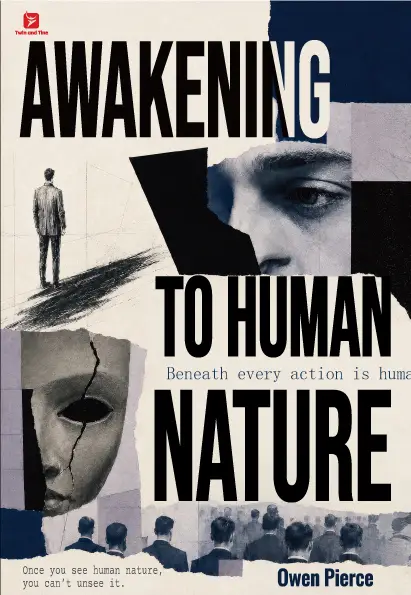
Awakening to Human Nature
Owen PierceA practical guide to recognizing hidden motives and protecting yourself from manipulation.
We don’t just recommend books here—we explain the patterns behind human behavior so you can see people more clearly, before they disappoint you.