Someone meets you once. They make an assumption about you. They hear one story about you. Suddenly, they act differently toward you.
They treat you like they know who you are.
But they don’t.
They’ve never seen how you treat people when no one is watching. They don’t know what you’re working through. They’ve never seen the side of you that doesn’t show up in a five-minute conversation.
And yet, they’ve already decided.
Here’s the uncomfortable truth that most advice won’t tell you:
People don’t always judge you based on who you are. Sometimes they judge you based on the story they’ve created about you.
How People Build a Story About You
When someone doesn’t have enough information about you, they don’t simply wait for more. Their brain fills in the gaps.
Here’s how it typically works:
- They observe a small piece of your behavior. A single comment. A facial expression. A choice you made.
- They interpret it through their own lens. Their past experiences, fears, and expectations color what they see.
- They assume a motive. They infer why you did what you did—often without realizing they’re guessing.
- They assign a label. Quiet → aloof. Confident → arrogant. Reserved → uninterested.
- They use that label to interpret everything else you do. Once the label is in place, new information gets filtered through it.
This happens in seconds. And most people don’t even realize they’re doing it.
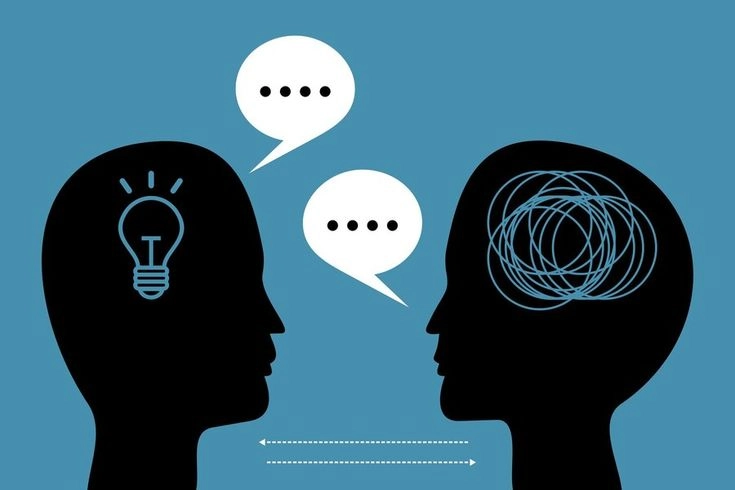
7 Reasons People Judge You Without Knowing You
1. They Make Assumptions From One Interaction
You had one off day. One awkward conversation. One moment of being tired or distracted. And they concluded that’s who you are.
2. They Judge You Through Your Appearance or Status
Where you work, how you dress, who you know—these surface signals often become the basis for someone’s opinion before they’ve ever had a real conversation with you.
3. They Believe Someone Else’s Version of You
Someone told them something about you. They never verified it. They simply assumed it was true.
4. They Interpret Confidence as Arrogance
You spoke clearly. You stood your ground. You didn’t back down. To some people, that looks like arrogance—not because it is, but because they don’t know how to read confidence without discomfort.
5. They Interpret Quietness as Rudeness
You were reserved. You listened more than you spoke. To some, that looks like coldness or disinterest—when in reality, it was simply how you show up in unfamiliar settings.
6. They Compare Your Choices With Their Own
They would have chosen differently. So they assume your choice was wrong—not because they understand your context, but because they’re using their own life as the standard.
7. They Decide Who You Are Before Giving You Time to Explain
They’ve already made up their mind. Anything you say after that is just noise to them.
Why Do People Assume the Worst About You?
Negative interpretation. Some people are primed to see the worst in others. Their default is suspicion, not trust.
Confirmation bias. Once they’ve formed an opinion, they notice evidence that supports it and ignore evidence that contradicts it.
Insecurity. When someone feels insecure about their own life, they may find comfort in judging yours.
Social comparison. Judging others can be a way of reinforcing their own status. If they can see you as lesser, they feel better about themselves.
Previous experiences. They’ve been hurt before. They’ve been disappointed. They’re projecting their past onto your present.
Once people form an opinion, they often notice information that confirms it and overlook information that contradicts it.
Does Being Judged Mean People Don’t Like You?
Not necessarily.
| Situation | What It May Mean |
|---|---|
| Someone misunderstands you. | They lack information. |
| Someone disagrees with you. | You have different values. |
| Someone judges you quickly. | They’re making assumptions. |
| Someone repeatedly misrepresents you. | There may be a stronger issue in the relationship. |
| Someone changes their opinion after knowing you. | They’re updating their view—which is healthy. |
A snap judgment says more about their cognitive process than your character.
Why Does Being Misunderstood Hurt So Much?
You want to be seen accurately. There’s something deeply human about wanting people to understand who you really are.
You feel powerless to control someone’s opinion. You can’t force someone to see you clearly. And that loss of control is frustrating.
You fear rejection. If they see you wrong, they might reject the real you—even though they’ve never met that version.
You start questioning yourself. When enough people misunderstand you, you begin to wonder if maybe they’re seeing something you’re not.
You want to explain everything. You believe that if you could just explain yourself fully, they would finally understand.
Being misunderstood can hurt because you know the intention behind your behavior while the other person only sees the behavior itself.
What Happens When You Try Too Hard to Prove Yourself?
When someone misjudges you, the urge to correct their perception can be overwhelming. But it often backfires.
- You over-explain. You give them more detail than they need—or want.
- You seek approval. You start asking whether they see you differently now.
- You change your behavior. You adjust to fit their expectation rather than staying true to yourself.
- You become obsessed with their opinion. One person’s judgment starts taking up too much space in your head.
- You give them too much power over your self-image.
The more desperately you try to control someone’s opinion of you, the more power their opinion begins to have.
Are They Judging You or Actually Seeing You?
| Quick Judgment | Genuine Understanding |
|---|---|
| Based on one interaction. | Based on repeated experience. |
| Assumes motives without asking. | Asks for context and perspective. |
| Looks for confirming evidence. | Considers contradictory evidence. |
| Labels behavior immediately. | Looks at patterns over time. |
| Decides quickly and stops updating. | Leaves room to revise their view. |
The difference between judgment and understanding is curiosity.
Someone who actually wants to understand you asks questions. They wait. They pay attention. They update their view when new information arrives.
Someone who’s judging you has already decided. They’re not looking for clarity. They’re looking for confirmation.
When Should You Actually Care About Someone’s Judgment?
Not all criticism should be ignored.
| Type of Judgment | What to Do |
|---|---|
| Useful feedback | They know you well and offer something specific. Consider it. |
| Personal projection | Their judgment reveals more about them than about you. Let it go. |
| Uninformed judgment | They don’t know you. Their opinion is based on surface signals. Ignore it. |
| Constructive criticism | Uncomfortable but offered with goodwill. Use it to grow. |
Learn to distinguish between someone who’s judging you and someone who’s actually seeing you.
Why People Judge Others Through Their Own Standards
People use themselves as a reference point for understanding other people.
They assume:
- You would do what they would do.
- You value what they value.
- You fear what they fear.
- You consider acceptable what they consider acceptable.
When you don’t fit that framework, they may judge you—not because you’re wrong, but because you’re unfamiliar.
Their judgment may reveal as much about their worldview as it does about you.
What Being Judged Reveals About Human Nature
This is the deeper layer that most articles miss.
When someone judges you without knowing you, they are not simply being “mean.” They are following a cognitive process that all humans use:
Observation → Interpretation → Assumption → Judgment
The problem isn’t that people form impressions. It’s that they often mistake their assumptions for truth.
Understanding human behavior means learning to separate:
- What someone actually knows about you
- What they have simply assumed about you
Because assumptions are not facts. And judgments based on assumptions are not reliable reflections of who you are.
You Don’t Need Everyone to Understand You
Some people will misunderstand you. Some will judge you too quickly. Some will eventually change their opinion. And some won’t.
The real question isn’t:
“How do I get everyone to see me accurately?”
It’s:
Are you living according to your values, or constantly adjusting yourself to control other people’s opinions?
That shift—from managing how others see you to living in a way that aligns with who you actually are—is one of the most freeing changes you can make.
If you want to understand why people form opinions quickly, how assumptions shape perception, and why judgment often reveals more about the person judging than the one being judged, Awakening to Human Nature explores these patterns more deeply.

Awakening to Human Nature
Owen PierceA practical guide to recognizing hidden motives and protecting yourself from manipulation.
Not everyone will get you. And that’s okay. The goal isn’t to be understood by everyone—it’s to stop needing everyone to understand you.