It started with a parking spot. School pickup, 3:15 PM, and a woman in a silver SUV slid into the space I had been waiting for, then waved at me like we were old friends. I sat there gripping the wheel, fuming, and then I realized the question underneath my anger: why do people seek power over others in the smallest moments? Why does anyone need to win a parking spot?
I thought about it all the way home. And I realized this is the question I have been circling since my kids were born.
Quick Reality Check Today
- Notice when you feel the urge to control a small outcome.
- Ask yourself what you are afraid of losing.
- Watch how someone responds to the word no.
- Run a fairness check before making a decision that affects others.
- Remember that influence built on trust lasts longer than control built on fear.
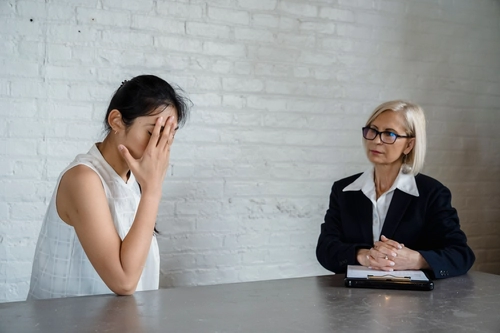
Why Do People Seek Power Over Others, Even in Tiny Moments?
Most of the time it is not grand ambition. It is discomfort.
The last person who cut me off in a line looked slightly anxious, like they were bracing for someone to stop them. I have started watching faces instead of actions. It is revealing.
Some parents I know chase control at the playground, the PTA meeting, the group chat. They need the final word. One friend told me, “If I’m not in charge, I feel like I’m disappearing.” That sentence stayed with me for weeks.
Power over others is often a bandage. It covers a fear of being overlooked, or a memory of being pushed around, or a deep, quiet belief that the world is not safe unless you are steering it.
What Is the Difference Between Healthy Influence and Power Over Others?
Here is where I had to slow down. Not all influence is bad.
A teacher who guides a room of eight-year-olds has influence. A coach who sets a lineup has influence. My neighbor who organizes the block party has influence. That is not the same as power over others.
The line, I think, is consent and exit. Can people walk away? Can they say no without losing their standing, their job, their place in the group?
My daughter taught me this when she was little. She said, “Mom, you always pick the movie. When is it my turn?” I felt my face get hot. She was right. I had influence in that living room, and I had been using it as power. I did not even notice. That is the scary part. Most of us do not notice.
| Healthy Influence | Power Over Others |
|---|---|
| Wins through trust | Wins through fear |
| People can say no | Saying no has a cost |
| Works with others | Works on others |
| You would be fine if they left | You need them to stay |
How Do You Spot Power-Seeking in Everyday Life?
You spot it by watching what happens when someone hears the word “no.”
A boss who sighs and moves on is different from one whose schedule suddenly gets worse for you.
A friend who accepts that you cannot host this month is different from one who goes quiet for a week.
A partner who hears “not tonight” without a mood shift is different from one who turns the whole evening cold.
I started keeping a small mental list. It is not a scientific method. It is just attention. And attention has changed who I trust.
One more thing I noticed: people who genuinely hold power well are usually the least eager to talk about it. They do not mention their title. They do not remind you who is in charge. They ask questions. They wait.
A Simple Fairness Check
I made this up for myself. Maybe it helps you too.
Before I make a call that affects someone else, I run three quick questions.
- Would I be okay if they made this same call about me?
- Am I asking, or am I telling?
- If they said no, would there be a hidden price?
If any answer makes me squirm, I stop and redo the conversation. It is clumsy. It works.
My husband and I used this with our kids during a rough stretch over screen time. Instead of laying down law, we asked, “What feels fair to you?” The first answer was, of course, “unlimited Minecraft.” But we kept talking. What we landed on was stricter than what I would have chosen alone, and they actually followed it. Because they built it.
That is the strange math of fairness. It is stronger than force. And it costs less energy.
Why Do People Seek Power Over Others When It Rarely Lasts?
This is the part I keep coming back to. History is full of people who grabbed control and then lost it, sometimes fast.
Why? Because people want fairness. It is built in. You can push a group around for a while, but the pushing creates a counterforce. Quiet at first. Then not quiet.
I have seen this at work. A manager I knew ruled by fear for two years. Then three people quit in one month. Then his own boss noticed. Then he was gone. Nobody staged a coup. They just stopped cooperating.
So why do people seek power over others if it is so fragile? I think some genuinely believe they are the exception. Others are running on habit, copying what they saw growing up. A few are just scared and reaching for anything solid.
My honest opinion: the relentless chase says more about the chaser’s inner state than about the world. It is not strength. It looks like strength from the outside.
FAQ
Q: Why do people seek power over others in relationships?
A: Often because they feel unsafe. Control feels like protection to them. Many people who need power in a relationship had experiences where they felt powerless, and they are trying to prevent that feeling from returning.
Q: Is wanting influence at work the same as wanting power over others?
A: Not always. Wanting a seat at the table so your ideas get heard is different from wanting to silence other voices. The test is whether other people can still speak freely.
Q: Why do people seek power over others even when they seem happy?
A: Happiness and insecurity can coexist. Someone can be genuinely content in most areas and still feel a raw nerve around being controlled or overlooked. That nerve drives the behavior.
Q: Can someone who craves power over others change?
A: Yes, but usually only after something breaks. A lost job, a lost friendship, a hard conversation. People rarely change from a comfortable position.
Q: What if I notice power-seeking in myself?
A: That is a good sign. Awareness is the first step. Start with the fairness check. Ask yourself whether people around you can say no without a cost. If not, adjust one small behavior at a time.
One Last Thing
I never got that parking spot back. But I did start noticing the woman in the silver SUV at pickup, week after week, always cutting someone off. And one afternoon I saw her sitting alone in the car after the kids came out, staring at the dashboard. I do not know her story. But I stopped being angry.
References
- Keltner, D. (2016). The Power Paradox: How We Gain and Lose Influence. Penguin Press.
- Gruenfeld, D. (2020). Acting with Power: Why We Are More Powerful Than We Believe. Currency.
- Piff, P. K., Stancato, D. M., Côté, S., Mendoza-Denton, R., & Keltner, D. (2012). Higher social class predicts increased unethical behavior. Proceedings of the National Academy of Sciences, 109(11), 4086–4091.

