You say yes when you want to say no.
You help before anyone asks. You give people another chance because you know they’re struggling. You absorb their problems, their stress, their expectations—because that’s what kind people do, right?
And yet, somehow, the more you give, the more people seem to expect.
You start to notice that people lean on you differently. They don’t always thank you. They assume you’ll handle it. When you can’t help, they seem disappointed—almost as if you let them down.
If this sounds familiar, you’ve probably asked yourself:
“Why do I keep ending up in relationships where I give so much and receive so little?”
The answer may have less to do with how kind you are—and more to do with what you’re using that kindness to achieve.
Why Kindness Can Turn Into a Vulnerability
Let’s be clear: kindness is not a weakness. But it can become one when it’s used to earn security, approval, or closeness.
Kindness becomes a vulnerability when you give not because you want to, but because you need the relationship to stay secure.
When someone repeatedly depends on you, it can feel like safety. You’re needed. You’re reliable. You’re indispensable.
But that safety can come at a cost: your boundaries, your energy, and eventually, the balance of the relationship itself.
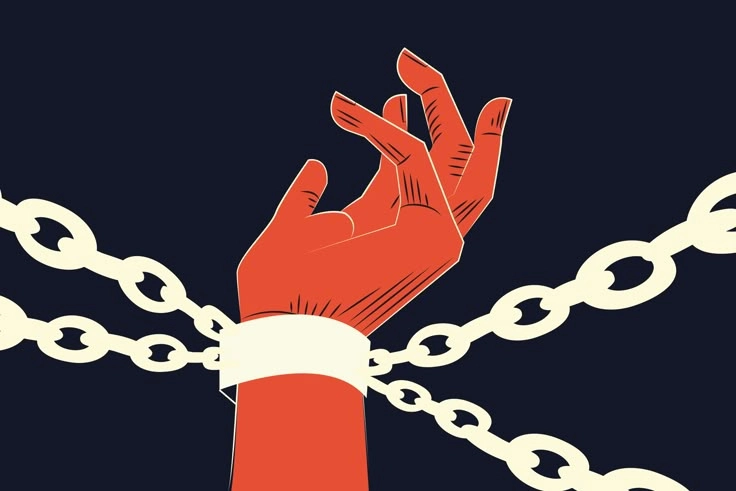
The Hidden Reason Kind People Keep Giving
It’s tempting to think that people who over-give simply don’t notice the imbalance. But often, they notice it deeply. They just don’t stop.
Here’s why:
Approval. Being the person who always helps can feel like being the person everyone respects. You’re the one they count on. It validates your place in their life.
Being needed. There’s comfort in being essential. If they need you, they won’t leave. That can feel safer than being wanted for who you are.
Avoiding conflict. Saying no requires managing someone else’s disappointment. For many people, that feels harder than simply giving in.
Fear of disappointing people. You know what it’s like to feel let down. You don’t want to make anyone else feel that way—even at your own expense.
Hope. Maybe if you keep giving, they’ll finally see how much you’ve been there. Maybe they’ll start giving back.
Sometimes we don’t keep giving because someone deserves it. We keep giving because we want the relationship to remain secure.
When Being Helpful Changes the Relationship
There’s a pattern that plays out more often than most people notice.
First time you help: They’re grateful. They thank you. You feel good about being there for them.
Second time: They expect it a little more. The gratitude starts to fade.
Third time: It becomes a baseline. This is just what you do.
Fourth time: You say no. And suddenly, you’re the one who changed. You’re the one being difficult.
When your help becomes expected, your refusal stops being a choice and starts being a problem.
That shift—from appreciation to expectation—is one of the clearest signs that your kindness has quietly become a role you’re expected to fill.
5 Signs Your Kindness Has Become a Role
Here’s how to tell if you’ve moved from being kind to being used:
1. People expect your help rather than appreciate it.
Gratitude was replaced by assumption a long time ago. You’ve noticed it. You just haven’t said anything.
2. Saying no makes you feel guilty.
Not because you did something wrong—but because you’ve conditioned yourself to think that being good means never saying no.
3. You give more than you actually want to give.
You’re not giving because you want to. You’re giving because you feel obligated, or because you’re afraid of what happens if you don’t.
4. People become colder when you stop helping.
The warmth they once showed you was conditional. When the help stops, the warmth stops too.
5. You feel responsible for other people’s problems.
You carry their stress, solve their crises, and absorb their emotions—even when they haven’t asked. Even when you’re already exhausted.
The Reciprocity Test (Kindness Edition)
Here’s a practical framework, applied to kindness:
What happens when your kindness becomes less convenient?
Not when you stop being kind. Just when it’s no longer effortless or immediate.
- What happens when you say no?
- What happens when you don’t reply immediately?
- What happens when you don’t volunteer to solve their problem?
- What happens when you express a need of your own?
You’re not testing whether people are “good” or “bad.” You’re observing whether the relationship can function without you doing all the work.
Kindness vs. People-Pleasing
This distinction matters more than most people realize.
Kindness often feels like: “I want to help.”
People-pleasing often feels more like: “I need you to be okay with me.”
Kindness comes from a place of genuine desire to support others. People-pleasing comes from a place of anxiety—a need to keep others comfortable so you can feel safe.
One is a choice. The other is a pattern.
And when people-pleasing is mistaken for kindness, it’s incredibly difficult to stop—because it feels like stopping would make you a bad person.
But it wouldn’t.
It would make you someone who finally recognizes that giving more doesn’t automatically create more connection.
The problem isn’t kindness. It’s failing to understand what your kindness is creating in the relationship.
Awakening to Human Nature explores the deeper forces behind this pattern: expectations, validation, self-interest, loyalty, and the ways people respond when incentives change.
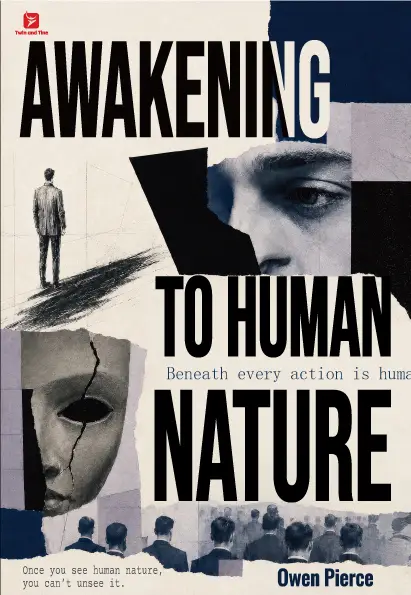
Awakening to Human Nature
Owen PierceA practical guide to recognizing hidden motives and protecting yourself from manipulation.
What to Do Without Becoming Cold
You don’t need to become harder. You need to become more selective about where your kindness goes.
Help because you choose to, not because you fear saying no.
If you only help because you’re afraid of disappointing someone, you’re not helping—you’re complying.
Stop explaining every boundary.
“No” is a complete sentence. You don’t need to justify every decision about your own time and energy.
Let people experience the consequences of their own choices.
You don’t have to rescue everyone. Letting someone figure out their own problem is often the most helpful thing you can do.
Pay attention to how people respond when you become less available.
Their response will tell you more about the relationship than any conversation ever could.
Keep your kindness, but remove the expectation that it will buy loyalty.
Kindness is not a deposit you make in someone else’s account. It’s a reflection of who you are.
The Hardest Part: Accepting That Some People Liked What You Did More Than Who You Were
This is the uncomfortable truth that most advice columns won’t touch.
When you stop being the person who always helps, always fixes, always gives—some people will disappear.
Not because they’re evil. But because the relationship was built on utility, and the utility is gone.
That doesn’t make you a bad person. And it doesn’t mean you were wrong to help. It just means you now have information you didn’t have before.
And that information is valuable.
Because the people who remain when you stop over-giving? They are not there for what you do. They are there for you.
What This Reveals About Human Nature
You don’t have to stop being kind. You just have to become more aware of what your kindness is creating.
The same forces that shape betrayal and abandonment also shape this pattern: need, incentives, expectations, self-interest, and the quiet assumptions we make about how relationships work.
Once you understand those forces, you stop asking:
“Why do people take advantage of me?”
And start asking:
“What am I teaching people about what they can expect from me?”
That shift changes everything.
If you want to explore the larger patterns behind need, loyalty, self-interest, and human behavior, Awakening to Human Nature takes that question much further.
Start with the free sample:
Awakening to Human Nature
Owen PierceA practical guide for understanding hidden motives, social patterns, emotional pressure, and manipulation—so you can read situations more clearly and protect your boundaries with confidence.
The goal isn’t to stop being kind. It’s to stop being kind in ways that cost you more than you can afford to give.