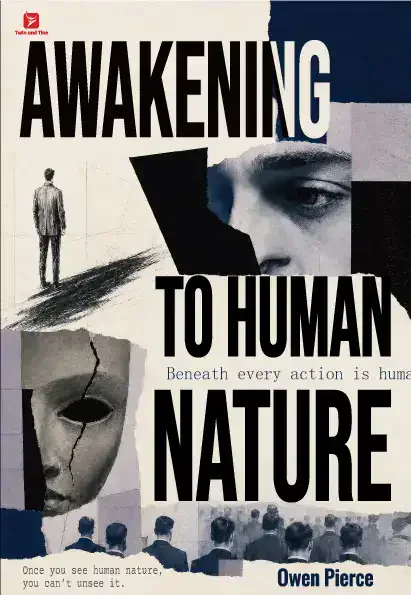
I sat in a parking lot last month after a meeting that had gone strangely. Nothing was said outright. Still, I drove home with that flat feeling of having been handled, and I couldn’t explain why. A friend handed me Owen Pierce’s book a week later. I’ll be honest, I almost didn’t open it. The cover promises secrets about human behavior, and that genre usually sells fear with a bow on top. But I opened it. And it stayed with me longer than I expected.
What is Pierce actually asking? His question is sharper than the title suggests. He wants to know whether you can see through people without turning into someone you don’t recognize. That’s the tension running under every chapter, and it’s the reason the book is more interesting than its marketing.
What the Book Actually Argues
Pierce organizes everything into seven sections: cognitive laws, emotional patterns, desire and interest rules, social dynamics, workplace realities, manipulation tactics, and survival wisdom. Each one works like a lens. The cognitive section explains why people chase validation over accuracy, and why self-deception is comfortable enough that most of us choose it. The emotional section covers how feelings get weaponized, often by people who don’t consciously plan it.
His central concept, I think, is what he calls the interest shift. Loyalty, in his telling, has an expiration date tied to need. That sounds cold on paper. In practice, he’s describing something most of us have lived through: a colleague who defended you until your promotion threatened theirs.
The workplace chapters are the most concrete. He writes about being outshone, being quietly pushed out, and the difference between being valued and being liked. This is where the book earns its keep.
The Limits of Pierce’s Framework
Here’s my honest problem with it. Pierce writes as if awareness is always available and always useful. Sometimes it isn’t. You can understand someone’s motive completely and still have to sit across from them at Thanksgiving.
He also offers almost no mercy. The book tells you to manage expectations, protect your energy, and read true intentions. It rarely asks what happens when your own intentions are the murky ones.
A Universal Pattern, Not Just a Self-Help One
The deeper argument is about attention. Pierce believes most suffering in relationships comes from seeing what we want to see. That’s not new. What’s new is how patiently he walks through the mechanics.
His image of the double standard is the one I keep returning to. He shows how the same behavior gets praised in one person and condemned in another, and how rarely anyone notices the switch. It’s a small observation. It rearranges how you listen.
I found myself testing it on old conversations. My uncle’s advice that sounded wise from him, and controlling from my mother. Same words. Different speaker. Pierce would say I already knew this. He’d be right, and I’d still needed to hear it.

Why This Book Matters Beyond Its Genre
We live in a moment of extreme visibility and almost no discernment. Everyone performs, everyone explains, and very little of it is true. Pierce’s book lands here because it isn’t about conspiracy. It’s about the ordinary gaps between what people say and what they need.
I wouldn’t hand this to someone in the middle of a betrayal. It would read like a diagnosis when they need a witness. But for anyone rebuilding their judgment after being burned, it’s steady company.
The book suits readers who prefer frameworks to pep talks. People managing teams, negotiating contracts, or recovering from a workplace that slowly ate them. If you want reassurance that everyone is good at heart, look elsewhere. If you want to stop being surprised, start here.
What you gain is a vocabulary. You’ll notice pressure in real time. You’ll catch the flattery before it lands. That’s worth the price of a slightly more guarded way of walking through the world.
And yet. I finished the book still unsure whether Pierce’s clarity is wisdom or armor. Maybe that ambiguity is the point. He never promises you’ll like what you see. He only promises you’ll see it.
“Understanding human nature is not about losing trust in everyone. It is about seeing people clearly, managing your expectations, and building relationships based on awareness rather than assumptions.”
FAQ
What is Awakening to Human Nature about?
It’s a practical guide to reading hidden motives, emotional patterns, and social dynamics. Owen Pierce breaks human behavior into seven sections, from cognitive laws to manipulation tactics, and shows how understanding these patterns can protect you in relationships and at work.
Who should read Awakening to Human Nature?
It’s best for people who prefer frameworks over motivational talk. Team leaders, negotiators, and anyone recovering from a workplace or relationship that slowly wore them down. If you want a book that insists everyone is good at heart, this isn’t it.
Is this book cynical?
It can read that way, but Pierce draws a line between cynicism and clarity. The goal isn’t to distrust everyone. It’s to stop being surprised when people act according to their interests rather than your hopes.
Does the book offer practical tools or just theory?
It’s mostly practical. The workplace chapters and the sections on manipulation tactics are the most concrete. You get vocabulary and patterns you can apply immediately, though you’ll need to practice noticing them in real time.
What are the book’s weaknesses?
Pierce assumes awareness is always available and always useful, which isn’t true. He also offers little room for self-reflection when your own motives are the unclear ones. And it’s not a book for someone in the middle of acute pain. It reads like a diagnosis when they might need comfort instead.
What is the main takeaway from Awakening to Human Nature?
See people clearly, manage your expectations, and build relationships on awareness rather than assumptions. Clarity doesn’t have to cost you warmth. But it will cost you some illusions.
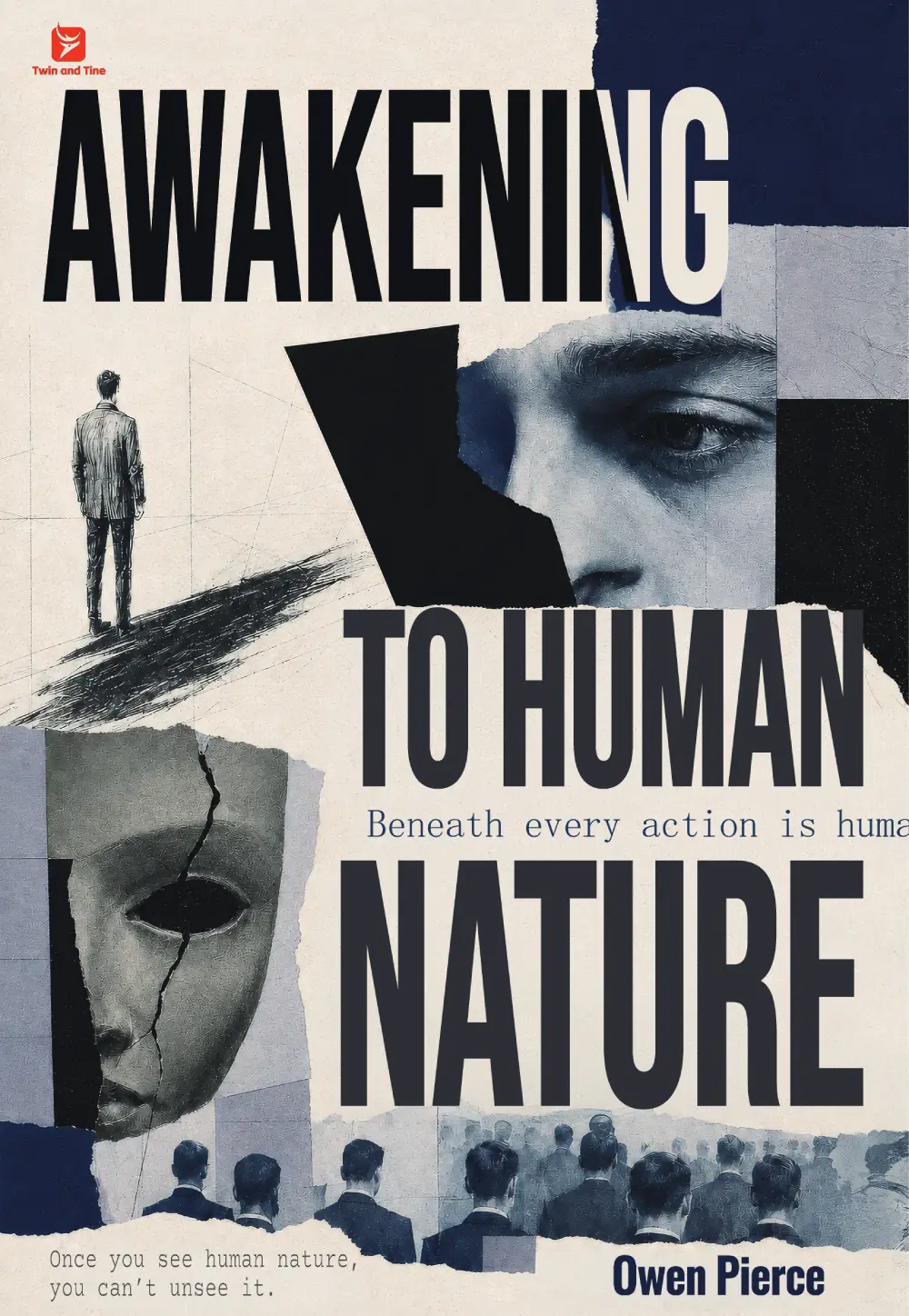
Awakening to Human Nature
Owen PierceYou saw the signs. You just didn’t know what they meant yet.
Learn how to notice the patterns behind people’s words, choices, loyalty, pressure, and changing behavior.

