Hundreds of comments rolled in beneath it. Some offered comfort, others shared their own struggles, and many left a simple line: “Just make it through today.” I skimmed past the post at once, yet those words lingered in my thoughts, surfacing out of nowhere time and again.
We usually picture despair as outbursts, tears and overwhelming agony. But true despair often creeps up as a slow, draining weariness. Backpack brought this memory rushing back, making me ponder when exactly people lose the will to keep going.
The story’s power did not strike me straight away. It opens peacefully. A man named John boards a long-distance bus with a backpack, adopts a new name, and embarks on what looks like a casual journey. He passes through strange towns, exchanges casual words with strangers, and watches scenery slide past the window.
The author holds back background details, letting readers stay close to the protagonist’s drifting journey. As the plot unfolds, I realize he travels not to rebuild his life, but to leave his old self behind. John deliberately plans to disappear, longing to break away entirely from his familiar world.
What troubles me most is not his decision, but how he sees himself. Those stuck in depression often feel they have become a burden, believing their absence would ease the lives of those around them. John thinks exactly this way. He even tries to vanish without leaving a trace, hoping to spare his family grief.
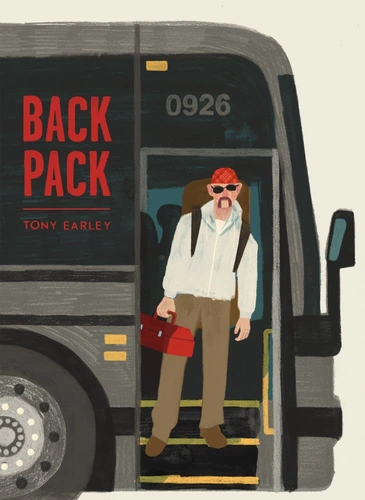
The writer later said the protagonist saw his departure as a way to relieve others’ troubles. Such thinking is heartbreaking; it stems not from selfishness, but from self-doubt distorted by pain.
The narrative is filled with small moments: bus stops in small towns, brief greetings between strangers, rivers, forests and twilight skies fading into view. These plain scenes form the story’s most touching parts.
Life-changing moments rarely happen in dramatic fashion. Most important choices take shape on quiet afternoons or ordinary chance meetings.
This reminds me of a college acquaintance. He was quiet and reticent back then. After a gathering, he spoke of a painful low period. What hurt him most was not sadness, but emotional emptiness, dragging through daily routines on autopilot.
I could never truly comprehend his feelings at the time. Reading Backpack years later finally helped me understand. People feel utterly worn out not when weeping bitterly, but when they can no longer imagine a future ahead.
One line resonates deeply: people do not always search for answers, but for reasons to stay alive. John keeps traveling, seemingly nearing his end. Yet he constantly meets new people, observes the world, and rediscovers faint yet genuine human connections.
There are no sensational miracles or redeeming turning points. The novel never offers dramatic hope. Instead, it suggests that small human connections can quietly pull people back toward life.
Backpack is not an effortless read. Its tone stays calm, restrained and faintly somber. Fans of fast-paced plots may find its pace slow, as the story centers on inner growth rather than external events.
It leaves a profound lasting impact. I cannot remember specific routes or locations, yet the sight of the backpacked man sitting by the window stays fresh in my mind. The story raises a timeless question: what holds people to life when they feel they have hit rock bottom?
This novel is ultimately not about despair, but the fragile last bond connecting humans to the world. What keeps us moving forward is seldom lofty dreams or sudden breakthroughs. It can be a cherished relationship, a kind encounter, or a gentle remark that gives us strength to hold on. In the end, the novel suggests that people rarely survive because of one grand revelation. More often, they stay because something small still connects them to the world.
