I spent last Tuesday night at 2 AM staring at the ceiling, replaying a work email I sent six hours earlier. The words had been fine. The tone had been fine. Yet there I was, dissecting every syllable like a detective at a crime scene.
That’s when I finally admitted something to myself. I had read dozens of self-help books, and none of them had stopped this loop. What could Miles Carter possibly offer that I hadn’t already tried?
The question that kept me reading: is the problem that we overthinkers search for solutions, or that we search for certainty?
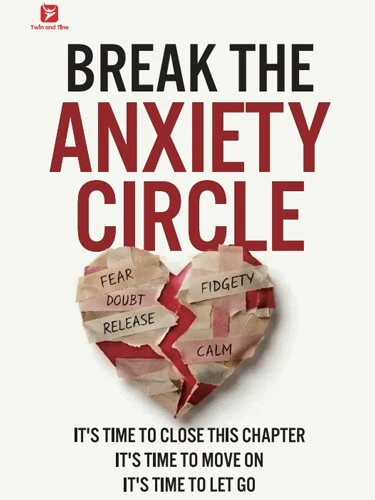
The Protagonist Is You, and That’s Uncomfortable
Here’s the thing about this book. It doesn’t give you a hero to admire. It hands you a mirror.
Carter writes in the second person, which felt invasive at first. He describes the exact moment when a simple conversation becomes hours of analysis. He names that small mistake that turns into proof of your inadequacy. I flinched more than once, honestly.
The core conflict isn’t between you and the world. It’s between you and your own mind. Carter argues that our inner critic isn’t a villain to defeat but a wounded voice to understand.
My favorite chapter tackles people-pleasing. He doesn’t tell you to grow a spine overnight. He shows why you learned to say yes when you meant no. That distinction changed how I read everything after it. What if self-blame isn’t a flaw but a survival strategy that outlived its purpose?
A Craft That Feels Like a Conversation, Not a Lecture
Carter writes in short, plain sentences. No jargon. No ten-step frameworks that require a spreadsheet. His method is simple. Name the feeling. Question its origin. Choose a different response. It sounds too basic, but that’s the point. He includes quotes that don’t feel like Instagram decorations. They feel earned.
One detail stayed with me. He describes anxiety as a rocking chair. It gives you something to do, but it gets you nowhere. That image captures the exhausting futility of overthinking better than any clinical explanation I’ve read.
The book also covers emotional boundaries, which surprised me. I expected a chapter on breathing exercises. Instead, he discusses how to protect your peace without building walls so high that no one can reach you.
The weakness, and I’ll be honest here, is that the book sometimes feels repetitive. Carter circles back to the same core ideas. But maybe that repetition is deliberate. We overthinkers need to hear things more than once before we believe them.

What You Actually Get From Reading This
I finished this book feeling less alone, which sounds dramatic but is true. Carter doesn’t promise to eliminate anxiety. He promises to reduce the suffering that comes from fighting it. He distinguishes between the fear itself and the story you tell yourself about that fear. That distinction is where the relief lives.
This book is for anyone who has ever apologized for being too much or not enough. It’s for the person who re-reads text messages before sending them. It’s for the person who lies awake at 2 AM, replaying conversations that no one else remembers. You won’t find a miracle cure here. You’ll find permission to stop the fight.
Carter ends with a thought that I’ve carried into my daily life. He writes that healing isn’t about becoming a different person. It’s about becoming more of who you already are, minus the noise. I can’t promise this book will fix you, because you aren’t broken. Maybe that’s the first thing you need to hear.