I found this book on my kitchen table, sent by my aunt who lives in Miami. She called it “the book that finally speaks our language.” I was skeptical. Another self-help legal guide, I thought.
Then I opened it. The first chapter starts not with legalese but with a question that stopped me cold: who controls your assets if you become incapacitated tomorrow?
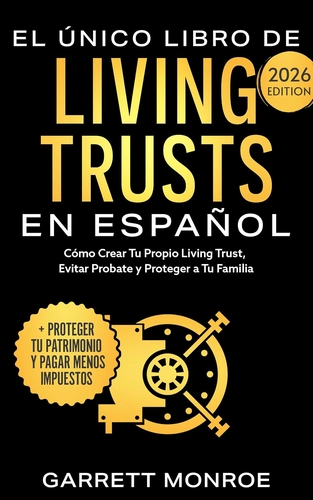
This is Garrett Monroe’s El Único Libro De Living Trusts En Español. The central argument is simple. A living trust is not a luxury for wealthy families. It is the single most effective tool for Hispanic families to protect generations of hard work from probate courts and unnecessary taxes.
And I had to ask myself something uncomfortable. How many families in my community lose everything because nobody ever explained this to them in their mother tongue?
The Kitchen Table Translation of the Law
Monroe does something rare here. He translates legal complexity into kitchen table conversation. The book walks through revocable versus irrevocable trusts with real patience. It explains how to fund your trust accounts step by step. It shows exactly how to transfer your home without making costly errors.
The protagonist of this story is not a person. It is the Hispanic family. The core conflict is the fear of leaving your children a mess instead of a legacy. Monroe keeps returning to one painful truth: the best will in the world cannot protect assets that were never properly transferred into your trust.
He includes twelve forms. Durable power of attorney. Last will and testament. Even a pet trust. The book covers blended families and second marriages with genuine care. He does not shy away from digital assets and cryptocurrency either.
I’ll be honest. The writing is not literary. It is practical, repetitive at times, and clearly structured for reference rather than pleasure reading. But there is something about the tone. He speaks like a family lawyer who has watched too many funerals turn into financial disasters.
The Fifty States and the One Hard Truth
Here is where the book genuinely shines. Monroe includes a fifty-state guide to living trust laws. This matters enormously. What works in Texas may fail in California. He explains how to avoid probate in language that does not require a law degree.
The uncomfortable part: this book will not fix your family dynamics. He admits this openly. A trust cannot prevent a greedy relative from contesting your wishes. It can only make the process harder for them. Some readers will find the constant warnings repetitive. Yes, you must fund your trust. Yes, mistakes are costly. He says it often.
The forms are genuinely valuable. I checked. The durable power of attorney form alone could save a family thousands in legal fees. The training guide for trustees is thoughtful and practical.
Hispanic families with any assets at all will find something here. Homeowners over forty. Business owners. Anyone with children from a previous marriage. If you have no assets and no dependents, you do not need this yet.
The Legacy I Wish We Had Known
Reading this book, I remembered my grandfather’s death. He left a small house and some savings. No will. No trust. My father and his siblings spent eleven months navigating probate court. They paid lawyers more than the house was worth.
This book made me feel something I did not expect. Grief mixed with anger. We never knew these tools existed. Nobody ever handed us a book in Spanish that explained this clearly.
Monroe’s gift is not sophistication. It is accessibility. He does not assume you understand American legal systems. He does not judge you for not knowing. He simply walks you through it.
The strongest moment comes in the advanced planning section. He describes a second marriage scenario with three children from the first marriage. The stepmother gets the house. The children get nothing. The conflict destroys the family. He then shows how a properly structured trust could have prevented every single dollar of that pain.
I took notes. I called my aunt. We are both planning to set up our trusts this year.
Tu Familia Merece Algo Más Que Buenas Intenciones
This book will not entertain you. It will not read like a novel. It will force you to confront your own mortality while filling out forms.
But it might save your family from the courthouse. It might prevent your children from fighting over your kitchen table. It might keep your legacy exactly where you intended it to go.
The book ends with a line I keep thinking about. Tu familia merece algo más que buenas intenciones. Your family deserves more than good intentions.
He is right. They deserve a plan. They deserve a trust. They deserve a book like this one, in their language, waiting on their kitchen table.

