I sat in a parking lot last month, engine off, watching a man in a pressed shirt walk out of a bank with a folder he kept tapping against his leg. He looked successful in the way people look successful when they are calculating something they cannot afford. I thought about him for days. Then I picked up this book, and I understood why he stayed in my head.
From Debt to Wealth is not really a book about money. It is a book about vision, about the gap between what we earn and what we notice. The central question it keeps circling, quietly, without ever stating it outright: why do hardworking people stay poor while quieter people get rich? The answer it offers is uncomfortable. Wealth is a reward for cognition. Not effort. Cognition.
A Teacher Who Refuses to Flatter You
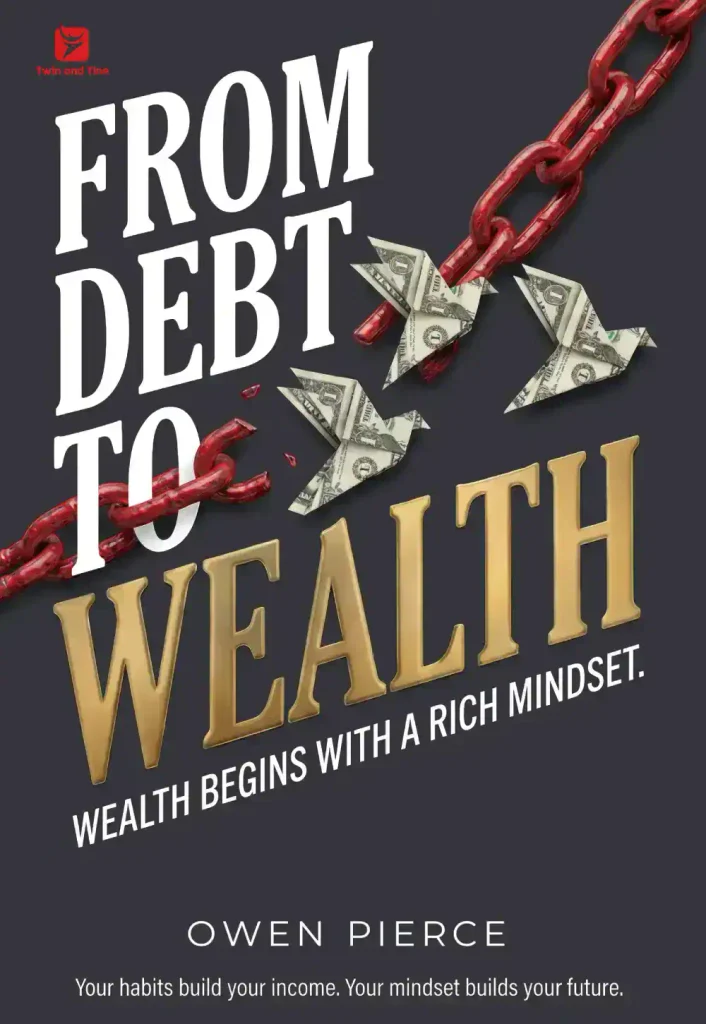
The book is written for the person who has done everything right and still feels behind. It speaks directly, sometimes bluntly, to readers who work long hours, earn decent money, and somehow end each month with nothing to show. The voice is that of a mentor who has watched too many talented people stay stuck and has lost patience with polite excuses.
Its core conflict is internal, and that is what makes it sting. The enemy is not the economy or a bad boss. The enemy is the employee mindset itself, the habit of trading hours for money and calling it security.
The trap the book describes:
- A salary feels like a floor, but it can become a ceiling
- Trading hours for money limits how much you can earn
- Security is often just a comfortable name for stuck
- Owning systems pays better than selling time
I underlined that last line twice and then sat with it.
What gives the argument weight is the honesty about gray areas. The author admits luck matters. Timing matters. Not every risk pays off. That admission makes the rest of the book harder to dismiss, and it sets up something deeper about how we see ourselves.
The Two Words That Change the Whole Equation
The most important concept here is the split between assets and liabilities, and the book refuses to let you keep your comfortable illusions about which is which.
| What We Call It | What It Usually Is |
|---|---|
| A house | Often a liability |
| A car | Almost always a liability |
| An asset | Something that feeds you while you sleep |
| A liability | Something that eats you while you work |
A house is usually a liability, it says. A car almost always is. An asset feeds you while you sleep. A liability eats you while you work. That single reframing does more work than a hundred budgeting tips.
The recurring image is the fisherman and the businessman, a story about a man who already has what the executive spends decades chasing. It sounds like a fable, and it is one, but the point lands: freedom is the goal, not accumulation. Money is a tool, and the only honest measure of it is how many options it buys you.
There is a section on poverty as advantage that I resisted at first. Having nothing removes fear, the book claims. It creates speed. I am not fully convinced, and I do not think the author is either, honestly. But the idea stayed with me longer than the ones I agreed with immediately.

What This Book Gets Right, and Where It Stumbles
I’ll be honest: some parts feel familiar. Pay yourself first, compound growth, avoid bad debt. If you have read three money books, you have met these ideas before. The Rockefeller and Ford stories lean a little too hard on admiration for ruthless focus.
But the psychology chapters are where the book earns its place. Fear, patience, resilience, even selfishness, treated as financial skills. That framing is rare. It suggests the problem was never information. It was nerve.
This book is for you if:
- You earn enough and still feel anxious
- You save diligently and still feel stuck
- You have confused an expensive purchase with progress
- You want to understand why effort alone isn’t enough
This book is not for you if:
- You want a step-by-step budgeting plan
- You are looking for advanced investment strategies
- You believe hard work alone guarantees wealth
So who is this for? The person earning enough and still anxious. The saver who feels virtuous and stuck. Anyone who has confused an expensive purchase with progress.
The book leaves one question open, and I think on purpose. If wealth is really a reward for seeing what others miss, what do you do when you finally see it? The answer is not a strategy. It is a decision, and it has been waiting for you the whole time.

