I went to a wedding recently. Mid-forties couple, second marriage for both. The bride looked radiant. The groom looked terrified. I watched them exchange vows and thought: how many selves have they buried along the way? How many people are at this table right now who are not quite who they claim to be? That question stayed with me. It followed me home. And then I picked up Lucy Sante’s memoir, and I realized I had been asking the wrong question entirely.
The real question is not “how many selves have we buried.” The real question is: what happens when one of those selves refuses to stay dead?
Lucy Sante spent sixty-seven years as a man. A celebrated critic, a sharp intellect, a man who wrote about photography and art and the gritty edges of New York City. He was good at being that man. He was respected. He was productive. He was, by almost any external measure, successful. But there was a voice. A persistent, quiet, insistent voice that had been there since childhood. A voice that said: you are not a man. You are a woman. He ignored it for decades. He married. He had a child. He built a career. He did everything a person does when they are running from something they cannot name.
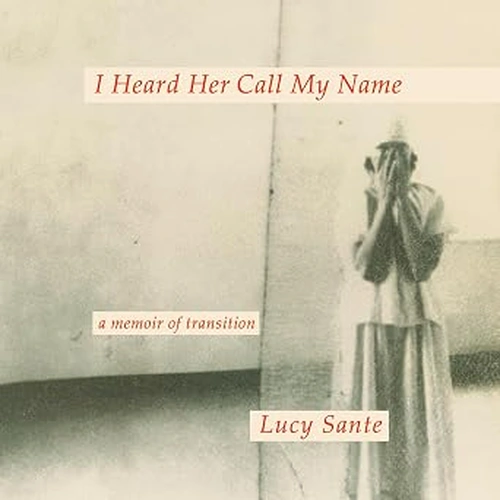
And then, at sixty-seven, he stopped running.
Sante writes about the moment of transition with a kind of clarity that took my breath away. She does not romanticize it. She does not turn it into a triumphant narrative of liberation. What she describes is more like a slow, reluctant surrender. She fought it. She tried to rationalize it away. She told herself it was too late, that it would destroy her relationships, that she was too old, that the world would not understand. All of that was true. And she did it anyway. That is the part that stayed with me. Not the courage. The exhaustion. The simple, bone-deep exhaustion of carrying a lie for sixty-seven years.
The core theme here is not transition itself. It is identity as a form of haunting. Sante’s former self is not a mistake she leaves behind. He is a ghost she learns to live with. She writes about looking at old photographs and feeling a strange tenderness for the man in the frame. That man was not her. But he was real. He suffered. He protected her. He kept her safe until she was ready.
There is a recurring image of light in the book. Not dramatic light, not cinematic. Just the light that comes in through a window at a certain hour. Sante notices it. She pays attention to it in a way she never did before. It is a small thing. But it is everything. When you begin to live as your real self, you start to see the world differently. The light changes. The air feels different. You notice the texture of fabric against your skin. You notice the weight of a name that finally fits.
I loved this book. I also found it unsettling. Because Sante does something rare: she refuses to make her story palatable. She does not reassure you that everything will be okay. She does not offer easy lessons. She simply tells you what it felt like. The fear. The shame. The relief. The strange, quiet joy of being seen, finally, by yourself.
What she offers instead is a kind of permission. Permission to ask hard questions about your own life. Permission to admit that you might be hiding something too. Not necessarily about gender. About anything. The version of yourself you show the world is never the whole story. Sante’s memoir is an invitation to stop performing.
So here is the question I have been sitting with since I finished the last page. Not “should I transition.” That is not my story. But something more universal. What am I hiding from myself right now? What lie am I still carrying because I am too tired, too scared, too convinced that it is too late?
The core insight: the cost of hiding is almost always higher than the cost of being seen. We just never calculate it honestly. We count the potential losses of coming out. We forget to count the losses of staying in. Sante counted both. And she chose. That is the thing that makes this memoir extraordinary. Not the transformation. The accounting. The honest, agonizing, beautiful accounting of a life finally lived in the light.
