Money Problems Are Not Always About Earning More
People often assume that improving their finances means earning a higher salary. Income obviously matters, but what happens to the money after it arrives can be just as important.
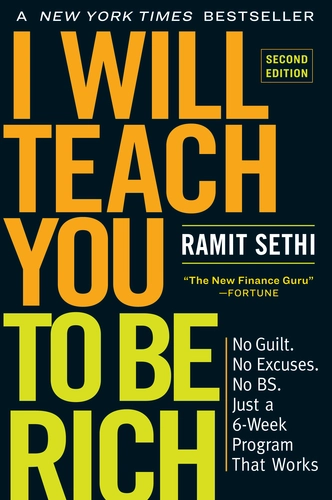
I Will Teach You to Be Rich by Ramit Sethi takes a practical approach to personal finance. Rather than asking readers to obsess over every purchase or follow extreme budgeting rules, the book focuses on building a financial system that can work with ordinary life.
That makes it particularly relevant for people who want better financial habits without turning every spending decision into a source of stress.
The Goal Is Not to Spend Nothing
One of the book’s more appealing ideas is that personal finance does not have to mean eliminating everything enjoyable.
Sethi encourages readers to identify the things they genuinely value and spend more intentionally on those areas while cutting back on spending that provides little benefit. The point is to make money support the life you actually want rather than simply collecting savings numbers.
This approach can be easier to maintain than a strict budget that treats every expense as a failure.
Automating the Important Parts
The book puts a strong emphasis on automation. Instead of relying on motivation every month, readers can set up systems that automatically move money toward savings, investments, bills, and other financial goals.
That matters because financial decisions often compete with everything else happening in daily life. The more important tasks depend on willpower, the easier they are to postpone.
A simple system can reduce the number of decisions you have to make repeatedly.
Small Financial Habits Add Up
Another useful theme is that long-term financial improvement often comes from many ordinary decisions rather than one dramatic change.
Reducing unnecessary fees, saving consistently, handling debt, increasing retirement contributions, and becoming more deliberate about spending may not feel exciting in the short term. But those habits can have a meaningful effect when they continue for years.
The book is strongest when it turns personal finance into a collection of manageable behaviors rather than an intimidating subject that requires advanced knowledge.
Your Money Reflects Your Priorities
Sethi also encourages readers to think about what they actually want their money to accomplish.
Some people care most about travel. Others want more security, flexibility, a comfortable home, or the ability to spend more time with family. There is no single definition of a “rich” life that works for everyone.
That is a useful distinction because financial planning becomes easier when the goal is clear. You are not just saving money for the sake of saving it. You are building financial choices around the life you want.
What Makes I Will Teach You to Be Rich Worth Reading?
The book combines financial advice with behavior change, which makes it especially accessible to readers who know they should manage money better but struggle to turn advice into habits.
It does not assume that everyone wants to become a finance expert. Instead, it focuses on practical decisions involving bank accounts, savings, spending, investing, and long-term planning.
Some details in personal finance can change as financial products, tax rules, and investment options evolve, so readers should treat the book as a framework rather than a substitute for current financial information.
Who Should Read It?
This book may be useful for people who:
- Want better everyday money habits
- Struggle with saving consistently
- Feel overwhelmed by personal finance
- Want to spend more intentionally
- Need a simpler approach to organizing their finances
- Want to start thinking more seriously about long-term wealth
Final Thoughts
I Will Teach You to Be Rich is less about getting rich quickly and more about making money management easier to maintain. Its practical approach can help readers move away from vague intentions like “I should save more” and toward systems that make better financial behavior more automatic.
For readers interested in wealth-building and healthier financial habits, the book offers a useful reminder that your financial life is shaped by repeated decisions. Improving those decisions does not require becoming obsessed with money; it requires making your money work more deliberately for the life you want.

