What stayed with me after finishing Klara and the Sun wasn’t the story itself — it was the way Klara looked at the world. I had carried the book for weeks before opening it. Through her observations, I found a quiet reflection on care, longing, and the small moments that make life feel meaningful.
The protagonist, Klara, is an Artificial Friend. She watches the world with extraordinary attentiveness and holds an almost childlike faith in the sun, believing its light can heal Josie, the girl she loves dearly. What drew me in first was not its science-fiction premise, but Klara’s untainted perspective. She approaches life with endless curiosity and childlike faith, yet notices details most of us miss. Ishiguro’s quiet, understated prose brings her to life, and in her attention, I recognized a familiar longing.
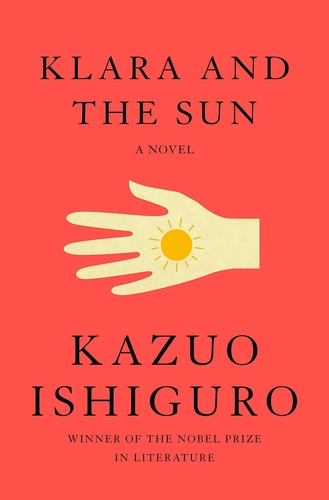
What struck me most was how Klara’s devotion mirrors human vulnerability. Josie suffers from an unexplained illness, isolated from peers and simple childhood joys. The novel never explains everything, which makes its emotions feel raw. Klara’s earnest gestures toward the sun are deeply moving. There’s also quiet humour: she misreads adult intentions and takes figurative language literally, moments that gently lighten the story’s weight.
Reading the book, I thought about my own relationships. Sometimes we watch loved ones struggle, powerless yet trying to help in small ways. Though Klara is artificial, her instincts echo a deeply human impulse. One scene shows her tending every detail for Josie, keeping her safe while gradually learning the delicate dynamics of human relationships. Ishiguro lets each moment breathe, so the emotional resonance unfolds naturally.
Some readers may wish Ishiguro had developed the human characters more, as they occasionally feel less vivid than Klara. The ending offers no tidy resolution — and that is the point. Klara’s journey prompts reflection on the fragile, tangled connections between our actions, beliefs, and their consequences. Later that afternoon, as I walked back through the park, winter sunlight fell over the benches, warmer and more tangible than before. I found myself noticing the light in a way I hadn’t before.
Some readers may wish Ishiguro spent more time developing the human characters, who occasionally feel less vivid than Klara herself. The ending offers no tidy, conventional resolution — and that is its very point. Klara’s journey prompts us to ponder the fragile, tangled connections between our actions, beliefs and their consequences. Later that afternoon, as I walked back across the park and saw winter sunlight falling over the benches, the light felt warmer and more tangible than before.
As I walked home, I found myself looking at the sunlight differently.
