Why Do We Handle Money So Differently?
Some people feel guilty whenever they spend money, even when they can comfortably afford something they need. Others spend to reward themselves after a difficult day, then regret their purchases when the credit card bill arrives. There are also people who earn a reasonable income but still feel constantly worried about running out of money. These differences are not always explained by income alone; our experiences and beliefs about money can play a significant role.
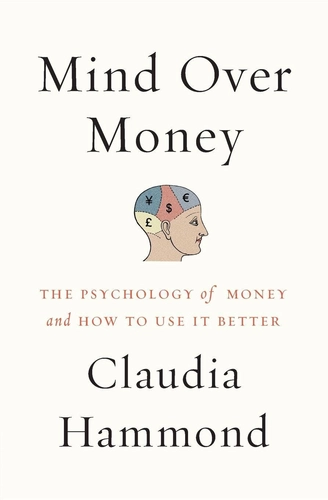
In Mind over Money by Brad Klontz and Ted Klontz, the authors examine how psychological patterns influence financial behavior. Rather than focusing exclusively on budgeting or investment strategies, the book looks at the beliefs people develop about money and how those beliefs can shape their decisions long into adulthood.
The Money Beliefs We Carry Into Adulthood
One of the book’s central ideas is that people develop unconscious beliefs about money through childhood experiences, family attitudes, and the environment in which they grow up. Someone raised in a household where money was a constant source of conflict may associate spending with guilt or fear. Another person who grew up believing that financial success earns respect may become overly focused on earning more or displaying wealth.
These beliefs can continue influencing decisions even after a person’s financial circumstances have changed. You might have enough savings but still feel unsafe spending anything, or earn more than you once thought possible without ever feeling financially successful. Recognizing these patterns can help explain why certain financial habits are difficult to change through practical advice alone.
Why Knowing Better Does Not Always Change Our Behavior
Most people already understand some basic financial principles. They know that unnecessary debt can become a burden, that saving consistently is useful, and that spending more than they earn creates problems. Yet understanding these principles does not automatically make it easier to follow them, especially when money is connected to stress, security, self-worth, or emotional comfort.
The book encourages readers to look at what money represents to them personally. A purchase might provide temporary relief from stress, while saving excessively might create a sense of control in an uncertain world. Once you recognize the emotion behind a financial decision, it becomes easier to find a more deliberate response instead of repeating the same habit.
Recognizing Unhealthy Money Patterns
Mind over Money examines several problematic relationships with money, including avoiding financial responsibilities, using spending to pursue happiness or status, and becoming excessively anxious about financial security. These patterns can appear in different ways, so the same financial behavior does not necessarily have the same explanation for everyone.
For example, two people might avoid checking their bank accounts, but one may feel overwhelmed by debt while the other may be afraid of discovering that they have less money than expected. Understanding the reason behind the behavior helps identify what actually needs to change.
What Makes Mind over Money Worth Reading?
The book’s biggest strength is its focus on the psychological side of personal finance. Many financial resources explain what people should do with their money, but fewer spend as much time exploring why people repeatedly act against their own financial interests.
It is especially useful for readers who struggle with emotional spending, financial anxiety, guilt about money, or habits they have tried unsuccessfully to change. Although it is not a step-by-step investing manual, it offers a helpful perspective on the attitudes that can undermine financial progress.
Who Should Read It?
Mind over Money may be worth reading if you:
- Worry about money even when your finances are relatively stable.
- Spend impulsively when stressed or unhappy.
- Feel guilty about spending on yourself.
- Struggle to build savings despite having a regular income.
- Associate financial success with your personal worth.
- Want to understand the emotional roots of your money habits.
Final Thoughts
Mind over Money makes a compelling case that financial well-being involves more than earning, saving, and investing. Our beliefs about security, success, and self-worth can influence the choices we make every day, sometimes without our being fully aware of them.
For readers trying to build healthier financial habits, the book offers a useful starting point: examine the beliefs that guide your decisions before assuming that better rules alone will solve the problem. Understanding your relationship with money can help you make financial choices that better reflect your actual needs and long-term goals.

