The way people view their abilities can influence how they respond to challenges, failures, and opportunities. Some people see mistakes as proof that they are not good enough, while others see them as a chance to learn and improve.
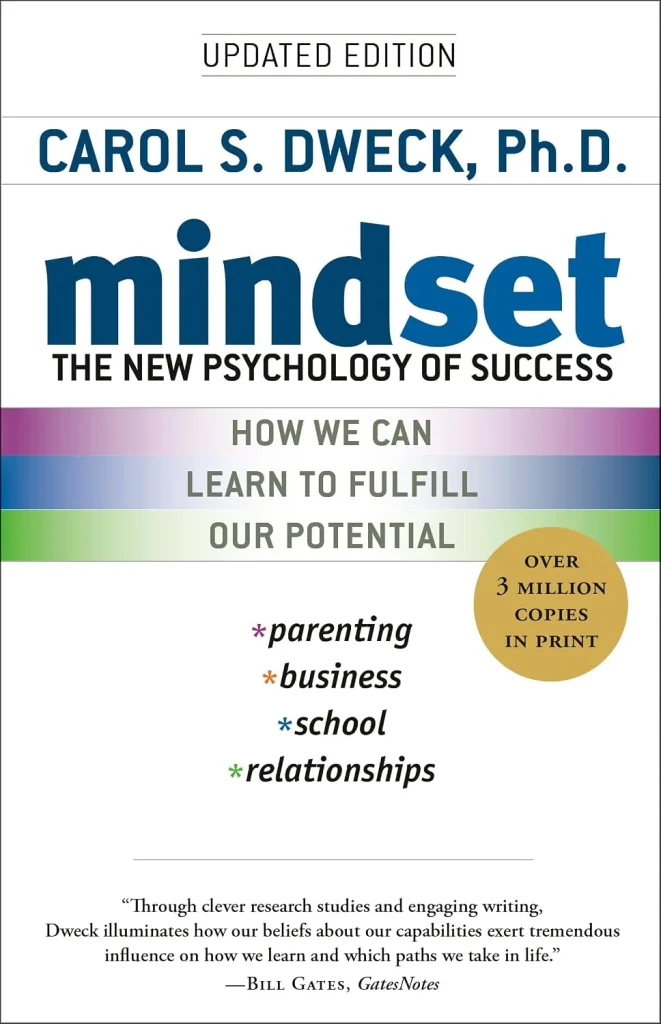
Mindset by Carol S. Dweck explores this difference through the concepts of fixed mindset and growth mindset. The book explains how beliefs about intelligence, talent, and personal ability can shape motivation, relationships, and long-term success.
Rather than focusing only on achievement, this book looks at the psychology behind improvement. It encourages readers to reconsider how they interpret setbacks and how their mindset affects the way they approach life.
About Mindset
Written by psychologist Carol S. Dweck, Mindset introduces one of the most influential concepts in modern psychology: the difference between a fixed mindset and a growth mindset.
A fixed mindset is the belief that abilities and intelligence are largely unchangeable. People with this perspective may avoid challenges because failure feels like a reflection of their personal limitations.
A growth mindset, on the other hand, is the belief that abilities can develop through effort, learning, and persistence. People with this perspective are more likely to embrace challenges and view mistakes as part of the learning process.
Through psychological research and real-world examples, Dweck explains how these beliefs can affect education, careers, relationships, and personal development.
Key Ideas From The Book
The Beliefs We Hold Shape Our Actions
One of the central ideas in Mindset is that people’s beliefs about themselves influence their behavior.
Someone who believes their abilities cannot change may avoid situations where they might fail. They may protect themselves from criticism or comparison because these experiences threaten their sense of identity.
In contrast, someone with a growth mindset tends to see challenges as opportunities to develop. Failure may still feel uncomfortable, but it does not necessarily become a reason to stop trying.
This difference in perspective can have a significant impact on personal progress.
Failure Does Not Have to Define You
Many people struggle with failure because they connect mistakes with their self-worth. A failed project, poor performance, or difficult experience can feel like evidence that they are not capable.
Dweck suggests another way to interpret these moments. Failure can provide information about what needs to improve rather than becoming a final judgment about someone’s ability.
This perspective can be especially helpful for people who struggle with perfectionism, self-doubt, or fear of making mistakes.
Effort Is Part of the Learning Process
A common misunderstanding about growth mindset is that simply trying harder guarantees success. The book presents a more balanced idea.
Effort matters because it creates opportunities for learning and improvement, but effective growth also requires strategy, feedback, and adaptation.
The goal is not to praise effort without considering results. Instead, it is to understand that ability is developed through continuous learning and adjustment.
The Way We Encourage Others Matters
The ideas in Mindset also apply to relationships, parenting, and leadership.
The feedback people receive can influence how they view challenges. Praising someone only for being naturally talented may unintentionally encourage them to avoid difficult situations. Recognizing learning, persistence, and improvement can help build confidence in the process of growth.
This makes the book especially relevant for anyone who supports children, manages teams, or wants to communicate more effectively with others.
What Makes Mindset Worth Reading?
One of the biggest strengths of Mindset is that it changes the way readers think about potential. Instead of seeing success as something determined by natural ability alone, the book highlights the role of learning, adaptability, and persistence.
The concept is also easy to apply to everyday situations. Whether someone is trying to develop a new skill, improve a relationship, change a habit, or overcome a personal challenge, mindset can influence how they approach the process.
Another valuable aspect of the book is its focus on long-term development. Many self-help books emphasize immediate results, but Dweck focuses more on creating a healthier relationship with challenges and improvement.
The book also encourages readers to examine their own beliefs. Sometimes the biggest obstacle is not a lack of ability, but the assumption that change is impossible.
How Mindset Can Influence Everyday Life
The ideas in the book are especially useful when facing situations that feel uncomfortable.
Learning something new often involves mistakes. Improving communication may require acknowledging weaknesses. Changing unhealthy habits may require patience and repeated effort.
A fixed mindset can make these experiences feel threatening because mistakes appear to confirm personal limitations.
A growth mindset creates a different interpretation. Challenges become evidence that growth is happening, and setbacks become part of the process rather than reasons to give up.
This shift does not remove difficulties, but it can change the way people respond to them.
Who Should Read Mindset?
This book is a great choice for readers who want to understand personal growth from a psychological perspective.
It may be especially helpful for people who:
- Feel afraid of failure or criticism
- Struggle with self-doubt
- Want to develop greater resilience
- Are interested in psychology and human behavior
- Want to improve learning and personal development
- Hope to build more confidence in facing challenges
It is also valuable for parents, teachers, managers, and anyone who influences the growth of others.
Final Thoughts
Mindset offers an important reminder that the way we view ourselves can influence the way we approach life. Our abilities are not only shaped by where we start, but also by how willing we are to learn, adapt, and continue improving.
The book does not suggest that success comes from positive thinking alone. Instead, it shows that a willingness to grow can change the way people respond to challenges and opportunities.
For readers interested in psychology, self-improvement, and building a stronger relationship with themselves, Mindset provides a thoughtful framework for understanding how beliefs can shape personal transformation.