Parenting Gets Hard When Your Own Emotions Take Over
Parents often know how they want to respond to their children, but that plan can disappear when a child refuses to listen for the fifth time, throws a tantrum, or pushes a limit that has already been explained. It is easy to tell yourself to stay calm when everything is going well. It is much harder when you are tired, rushed, and already frustrated.
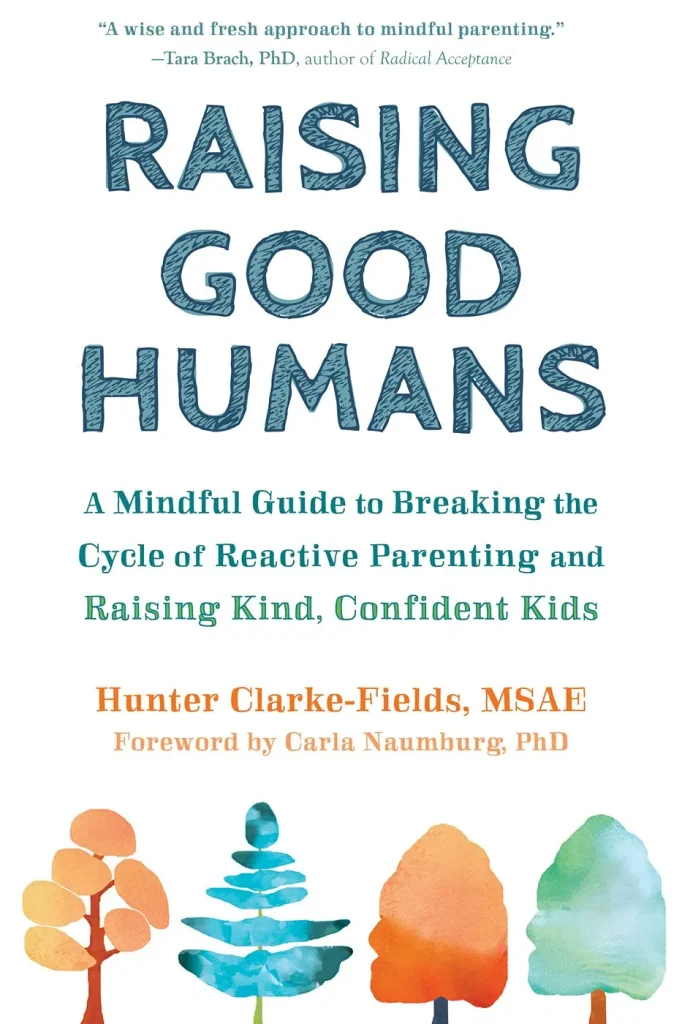
Raising Good Humans by Hunter Clarke-Fields focuses on that part of parenting. The book looks at how parents can become more aware of their own reactions, communicate with children more calmly, and avoid repeating the same emotional patterns during stressful moments.
Children Are Not the Only Ones Learning
One of the book’s most useful ideas is that parenting is not just about changing children’s behavior. Parents also have to notice what happens inside themselves when a child behaves badly.
A child’s whining may trigger anger. Defiance may make a parent feel disrespected. Repeated questions may create frustration that has little to do with the actual question. Once those emotions take over, the parent’s response can become much harsher than intended.
The book encourages parents to create a pause between the child’s behavior and their own reaction. That pause can make it easier to respond instead of simply reacting.
Calm Does Not Mean Permissive
Mindful parenting is sometimes misunderstood as letting children do whatever they want. Raising Good Humans takes a different approach.
Parents can still have rules, expectations, and consequences while paying attention to the emotional tone of the interaction. A child can be upset about a limit and still be expected to follow it. The parent does not have to match the child’s anger to make the boundary clear.
That balance is especially useful for families stuck in repeated battles over routines, screen time, chores, or other everyday rules.
Breaking Old Parenting Patterns
Another interesting part of the book is the attention given to patterns parents may have learned in their own childhoods.
Some people grew up with constant criticism and become highly critical themselves. Others experienced emotional distance and struggle to know how to respond when their own children have strong feelings. These reactions can happen automatically until someone starts paying attention to them.
The goal is not to blame your own parents or feel guilty about every mistake. It is to notice which habits you want to carry forward and which ones you want to change.
Why Emotional Regulation Matters
Parents often focus on teaching children how to manage emotions, but children also learn by watching how adults deal with frustration.
If a parent can acknowledge anger, calm down, and return to the conversation, the child gets to see emotional regulation in action. That does not require perfect behavior. Parents will still lose patience sometimes.
What matters is what happens afterward and whether the parent can repair the interaction rather than pretending nothing happened.
What Makes Raising Good Humans Worth Reading?
The book is most useful for parents who feel that the hardest part of parenting is staying calm themselves. It does not promise that children will suddenly cooperate or that family conflicts will disappear.
Instead, it focuses on the part parents can actually change: how they handle their own reactions and communicate during difficult moments.
That makes the ideas practical for ordinary family life, especially when the same arguments seem to happen over and over.
Who Should Read It?
This book may be a good fit for parents who:
- Lose patience more quickly than they want to
- Feel guilty after yelling at their children
- Struggle with repeated behavior problems
- Want calmer parent-child communication
- Are trying to break unhealthy parenting patterns
- Want to teach emotional regulation through their own example
Final Thoughts
Raising Good Humans makes a useful point about parenting: children are learning from much more than the rules we give them. They are also watching how we handle frustration, disagreement, mistakes, and emotional pressure.
For parents who want to respond more calmly without becoming permissive, the book offers practical ideas for changing those everyday interactions. Sometimes better parenting does not begin with finding a better consequence. It begins with noticing what happens inside you before you respond.

