I picked up Somewhere Towards the End on a night I was working late. I had just turned thirty. I was being chased by that relentless “now or never” anxiety. It’s a slim book. I could finish it in one night. But after I finished it, I sat on the sofa for a long time, dazed. The author, Diana Athill, was eighty-nine when she wrote this book. She didn’t give me any anti-aging secrets. Her first sentence was: “I am old. My face is an old face. There’s no point hiding it.” Then she started talking about how her eyesight was failing, how her knees hurt, how she watched her friends leave, one by one. Every sentence was as ordinary as saying what she ate today. And precisely because of that, for the first time, I felt that growing old wasn’t so terrifying.
That Unmarried Old Lady Lived with More Clarity Than Anyone
Athill never married. When she was young, she had a deep, unforgettable love. In the end, that man married someone else. Later, she had several relationships. Some long, some short. Some made her happy. Some made her hurt. She said she wasn’t suited for marriage. The day-in, day-out routine of being tied to one person would suffocate her. So she just lived like that. Alone. Worked as an editor her whole life. Edited books for several Nobel Prize winners. And in her old age, she started writing on her own.
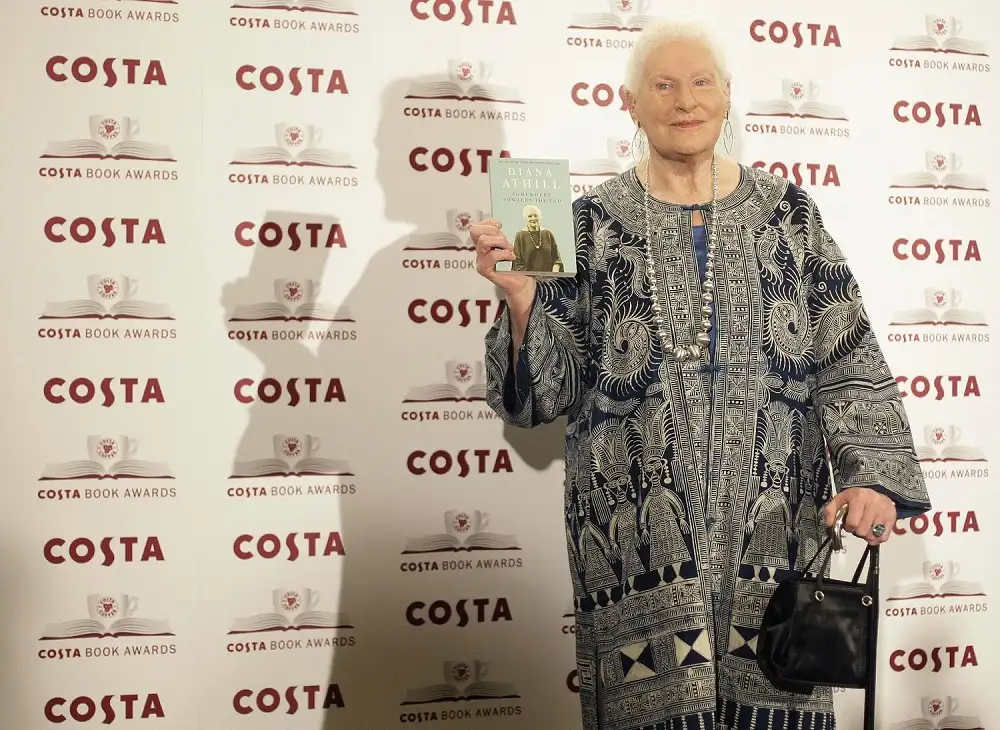
There’s a passage in the book where she writes about getting pregnant in her forties. She ended up having a miscarriage. She said she saw the nurse carry away that already-formed tiny body. A part of her heart felt hollow.. But she went to work the next day. Not because she was cold. Because she knew her life still had other things waiting for her. When I read that passage, I read it three times just to be sure. She really didn’t write one extra word. No complaints of pain. No dwelling on the sadness. Not even an unnecessary filler word. She taught me something: a person can hold regret and peace at the same time.
Aging Isn’t About Loss. It’s About Letting Go
What felt freshest to me in this book was how Athill described old age as a kind of release. She said when she was young, she always cared about what others thought. Cared about whether she was pretty enough, proper enough, successful enough. After she got old, those thoughts suddenly faded. Her eyesight got worse. She could no longer see the wrinkles in the mirror clearly. That actually came as a relief. She stopped buying clothes that looked beautiful but squeezed the breath out of her. She only wore the most comfortable cotton shirts. She could honestly tell a friend, “I don’t feel like going out today,” and then curl up on the sofa and read all afternoon.
Athill wrote about how she cleared out her house. She said the most important thing to do when you’re old is to throw things away. Those letters saved for decades. Photos. Souvenirs. Most of them will never be looked at again. She threw them away, taking a trip down memory lane as she went. After she finished, the house felt empty. Her heart felt empty too. But that emptiness was the lightness of finally putting down a burden. When I read that, I stood up and looked at my own bookshelf. It was piled with things I might need someday. I had never thought that sometimes we keep things not because we need them, but because we’re afraid to throw them away.
From Thirty to Eighty-Nine, She Showed Me the Way
Before, whenever I thought about growing old, my mind was full of ugly images. Gray hair. Missing teeth. Can’t walk anymore. No one to take care of me. Alone and abandoned. Athill gave me another version of what growing old could look like: living alone. Keeping a pot of flowers. Eating dinner with a friend now and then. Writing a few pages of memoir when the mood strikes. No grand events. But every small thing done with full enjoyment.
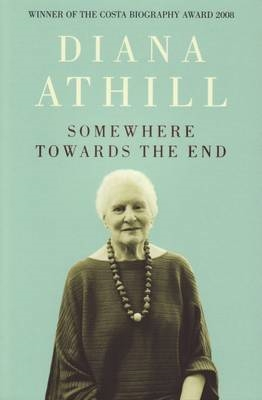
Speaking of death, she said she wasn’t afraid of dying. She was afraid of that long period before death when she couldn’t do anything anymore. But if that day really came, she would tell herself: this life has already been enough. She edited good books. Loved good people. Walked countless mornings and evenings on the streets of London. I thought to myself: how much does a person have to let go of inside before they can talk about their own death in this tone?
After finishing this book, I made a list for myself. Paint. Grow vegetables. Learn a language I’ll never use. Live in some unfamiliar city for three months. I want to be like Athill. When I’m in my eighties, I want to be able to say: this life has been enough. Not because of what I accumulated, but because I truly lived. And truly living doesn’t mean becoming what others call successful. It means becoming someone who, in their own heart, has no regrets.