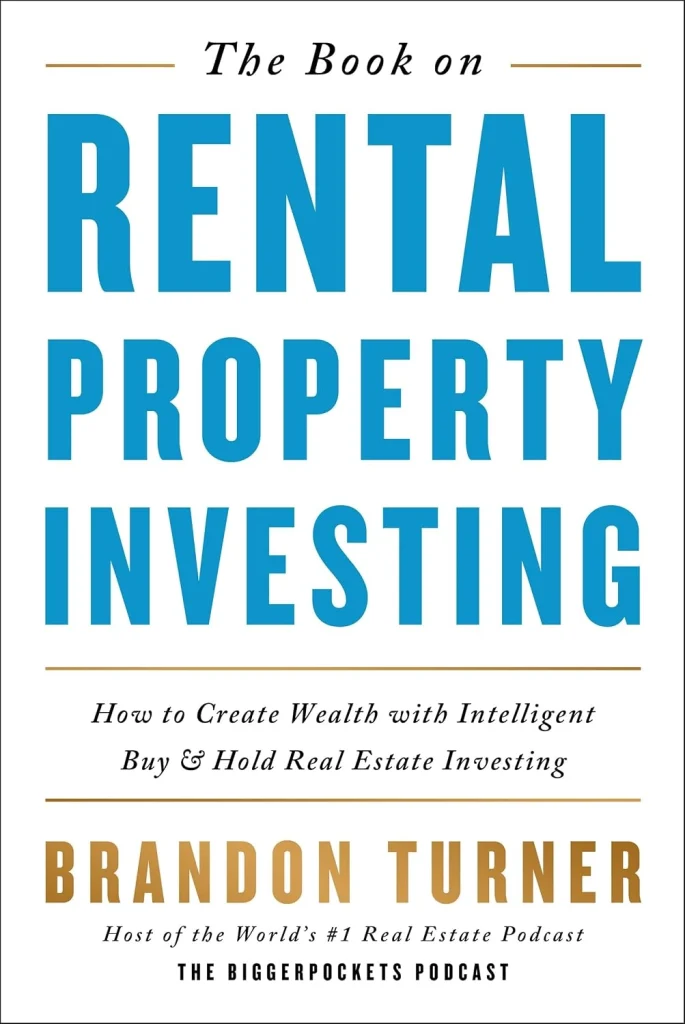
I picked up The Book on Rental Property Investing on a Tuesday night, fully expecting to roll my eyes through another get-rich-quick manifesto. You know the type. The cover promises financial freedom, the first three chapters are just motivational screaming, and by page fifty you’re being sold a $2,000 course.
This wasn’t that. Brandon Turner’s book sat on my coffee table for two weeks before I actually opened it. When I finally did, I stayed up until 3 AM with a yellow highlighter in one hand and a calculator in the other. That’s not something I do for fun. It’s something I do when a book makes me believe I could actually do the thing it’s describing.
Which raises the question I kept asking myself: what makes this different from every other real estate book that promised me the same dream?
The Voice That Says “I Made This Mistake So You Don’t Have To”
Turner doesn’t cast himself as the hero. That’s the first clue this book operates differently. He’s the guy who’s already made the mistakes, who’s already bought the bad property in the C neighborhood, who’s already trusted the wrong contractor. He positions himself as the friend who’s willing to say “I did this stupid thing so you don’t have to.”
The real protagonist is the reader, but a version of the reader who hasn’t been born yet. The version who understands that the 50 percent rule exists before signing anything. The version who knows that cash flow matters more than appreciation, because appreciation is what bankrupted people in 2008 when they relied on it too heavily.
He walks through his own numbers with unusual honesty. Not the “I made millions in three years” numbers you see on Instagram. Real numbers. Properties that needed new roofs. Tenants who stopped paying. The chapter on analyzing deals includes his actual spreadsheet logic, including the painful parts about vacancy rates and capital expenditures that most books gloss over.
The core tension is simple and familiar: you want passive income, but passive income requires active work first. Turner doesn’t pretend otherwise. He spends an entire chapter explaining why rental properties build wealth slowly and why that’s actually the point. That’s not sexy. It’s true.
What struck me most was his treatment of the 2 percent rule. He presents it, explains when it works, then admits it’s not a hard standard. Most authors would cling to their rule like a religious text. Turner treats his own frameworks as tools, not gospel.
The Mundane Repetition That Compounds
Underneath all the spreadsheets and negotiation tips, this book argues something deeper. Wealth doesn’t come from finding the perfect deal. It comes from running the numbers on a hundred mediocre deals until you recognize the one good one.
The imagery that stayed with me isn’t dramatic. It’s the mundane repetition of his process. Driving for dollars through neighborhoods, mailing letters to absentee owners, making offers on Fridays when everyone else has checked out. He makes investing look like what it actually is: unglamorous, consistent, slightly boring work that compounds.
Turner’s gift is making that boredom feel like safety. When he explains the BRRRR strategy—buy, rehab, rent, refinance, repeat—he doesn’t present it as a clever hack. He presents it as a system for reducing risk. Every step exists to protect you from the deal going wrong, not to maximize the deal going right.
That reframing matters. Most investing books sell you on potential. This one sells you on process.
The Numbers That Have Aged, and the Wisdom That Hasn’t
The book has problems. The numbers are pre-pandemic, which makes some of the analysis feel dated. The technology references, like specific websites and tools, have aged poorly. And Turner’s enthusiasm for his own community, BiggerPockets, occasionally reads like an infomercial for the platform.
The tone can also feel relentlessly cheerful. Turner is the kind of writer who finds a lesson in every disaster, which gets exhausting when you’re trying to understand eviction law. Sometimes you want the author to just say “this part sucks” without the silver lining.
But for a beginner—and I mean a true beginner who has never bought a property—this is the book to start with. It covers everything from finding deals to managing tenants to exit strategies, and it does so without assuming you know what a cap rate is. For experienced investors, the first half will feel redundant. The property management chapters, though, contain enough practical checklists to justify the purchase on their own.
You should not read this book if you’re looking for inspiration. You should read it if you’re looking for instruction. It won’t make you excited about real estate. It will make you competent, which is a far more useful emotion.
I finished the book feeling something I didn’t expect. Not rich. Not motivated. Just calm. The path forward was clear, and it involved spreadsheets and phone calls and tenant screening forms. It wasn’t glamorous, but it was possible. That’s the gift this book gives you. It makes the impossible feel like a series of boring, achievable steps.
Which makes me wonder, what else in my life could benefit from that same treatment?
